
Kitchen Herbalism for Immune Support: A How-To Guide
Table of Contents
- Understanding Kitchen Herbalism for Immune Support
- How Herbs Strengthen Your Immune System
- Top Culinary Herbs for Immune Health
- How to Make Herbal Infusions for Immunity
- Safety Guidelines for Home Herbalism
- Budget-Friendly Herbalism: Growing and Sourcing Herbs
- Why RN-Led Herbalism Differs from General Online Advice
- Getting Started with Your Kitchen Herbalism Practice
Last Updated: August 25, 2026
Understanding Kitchen Herbalism for Immune Support
Kitchen herbalism for immune support is the intentional selection, preparation, and incorporation of herbs from your kitchen to strengthen your body's natural defenses through everyday meals and simple preparations. Unlike mass-produced supplements, this practice emphasizes bioactive compounds found in whole plant materials. When you brew ginger tea or prepare a turmeric infusion, you're accessing phytochemicals, plant-derived compounds with anti-inflammatory and antioxidant properties, in their most recognizable form.

Commercial supplements often isolate single compounds or use extraction methods that alter the plant's original profile. Fresh herbs contain multiple synergistic compounds that work together. A cup of elderberry tea delivers not just the berry itself but also extractable minerals, volatile oils, and polysaccharides that contribute to immune system homeostasis.
This guide covers selecting the right herbs, preparing them correctly, understanding dosage, and recognizing when professional guidance is necessary, addressing the gaps that DIY websites leave open, particularly around safety, medication interactions, and realistic expectations.
How Herbs Strengthen Your Immune System
Your immune system operates through physical barriers like mucous membranes and immune cells that recognize and neutralize pathogens. Herbs support immunity through several mechanisms: anti-inflammatory herbs reduce chronic inflammation that exhausts immune resources; antioxidant-rich herbs neutralize oxidative stress that damages immune cells; adaptogens help your body maintain homeostasis under stress, when immunity typically weakens; and herbs with antimicrobial properties may directly challenge certain pathogens.
The key word is support. Herbs are not substitutes for vaccination, medical treatment, or fundamental practices like sleep, hydration, and stress management. They work best when these fundamentals are already in place.
Bioavailability, how effectively your body absorbs and uses an herb's active compounds, depends on preparation method. Raw herbs have lower bioavailability than infusions. Infusions (steeped teas) extract water-soluble compounds effectively. Decoctions (simmered preparations) access compounds requiring heat and longer contact time. Tinctures (alcohol-extracted preparations) concentrate certain phytochemicals but exclude water-soluble ones. Understanding these differences helps you choose the preparation method that best delivers the compounds you're seeking.
Top Culinary Herbs for Immune Health
Ginger: Warming Anti-Inflammatory Support
Ginger contains gingerols and shogaols, compounds with documented anti-inflammatory properties (peer-reviewed research). Regular consumption may reduce inflammatory markers that compromise immune efficiency. Fresh ginger works best for immediate anti-inflammatory effects; dried ginger provides sustained support over time. Incorporate ginger through fresh ginger tea (simmer thin slices for 10-15 minutes), soups, stir-fries, or tinctures.
Ginger can interact with blood-thinning medications like warfarin (the FDA). If you take anticoagulants, discuss ginger consumption with your healthcare provider before establishing a routine.
HighFiveHive Nature's Remedies-Kitchen Herbalism offers Ruby Ginger Revive Black Elderberry & Ginger Tea at $16.50, combining ginger's anti-inflammatory warmth with elderberry's immune-supporting properties.
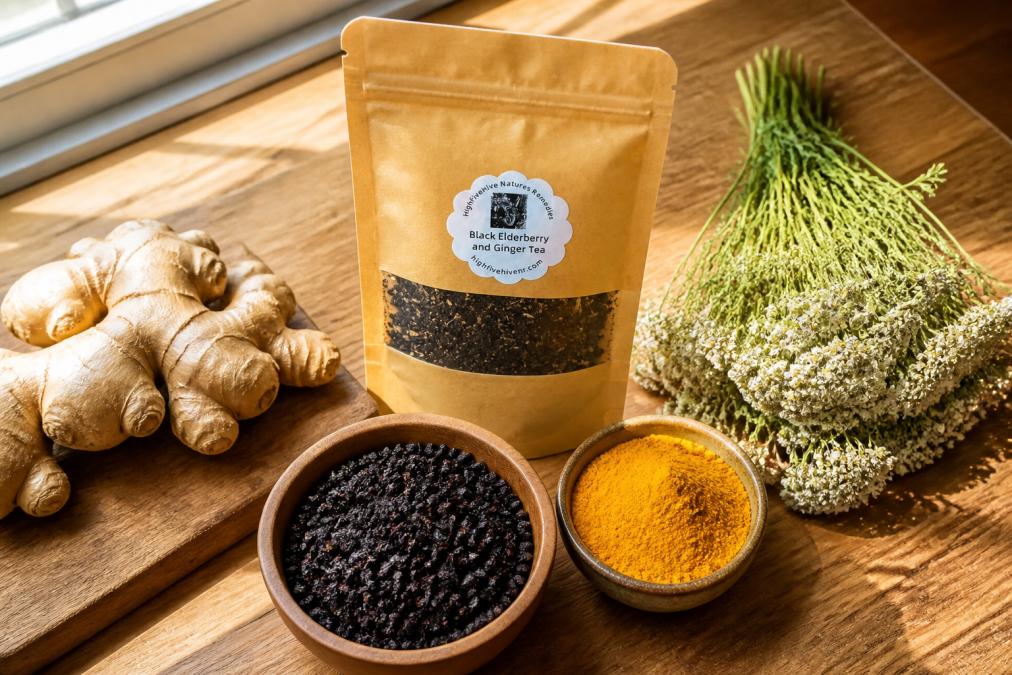
Elderberry: Traditional Respiratory Defense
Elderberry has been used across cultures to support respiratory health during seasonal wellness challenges. Its polysaccharide content supports the mucosal surfaces that form your first line of defense against airborne pathogens. Evidence is mixed but suggestive, some people report shortened illness duration when using elderberry regularly, while others notice no difference. Elderberry works best as preventative practice, consumed regularly during vulnerable seasons rather than waiting until symptoms appear.
Elderberry syrup, tea, or tincture all provide viable options. Syrups are palatable for those who dislike the herb's natural tartness; tinctures offer concentrated dosing in minimal volume.
HighFiveHive Nature's Remedies-Kitchen Herbalism produces Heritage Spice Elderberry & Botanical Extract at $24.00, combining elderberry with complementary botanicals for synergistic support.

Turmeric: Bioactive Antioxidant Power
Turmeric's active compound, curcumin, has been extensively studied for antioxidant and anti-inflammatory effects. However, curcumin's bioavailability is relatively low when consumed alone. Combining turmeric with black pepper (which contains piperine) increases curcumin absorption by up to 2,000 percent (peer-reviewed research). Adding turmeric to fat-containing foods, oils, coconut milk, or ghee further enhances absorption.
Golden milk (turmeric steeped in warm milk with black pepper and spices) is the classic preparation that maximizes bioavailability while creating a pleasant daily ritual. Turmeric can interact with blood thinners and diabetes medications, so consult your healthcare provider before establishing a routine if you take these regularly.
Yarrow and Feverfew: Seasonal Wellness Allies
Yarrow and feverfew represent traditional herbs for supporting seasonal wellness and inflammatory response. Yarrow contains alkaloids and flavonoids that support the body's natural defense mechanisms. Feverfew's parthenolide content helps modulate inflammatory pathways that interfere with immune efficiency.
Both herbs have slightly bitter tastes, making them better suited to tinctures or capsules. Blending them with more palatable herbs like ginger or elderflower creates drinkable preparations.
HighFiveHive Nature's Remedies-Kitchen Herbalism offers Simply Yarrow Traditional Herbal Tincture at $16.95 and Simply Feverfew Traditional Herbal Extract at $14.95.

How to Make Herbal Infusions for Immunity
Brewing Herbal Teas and Decoctions
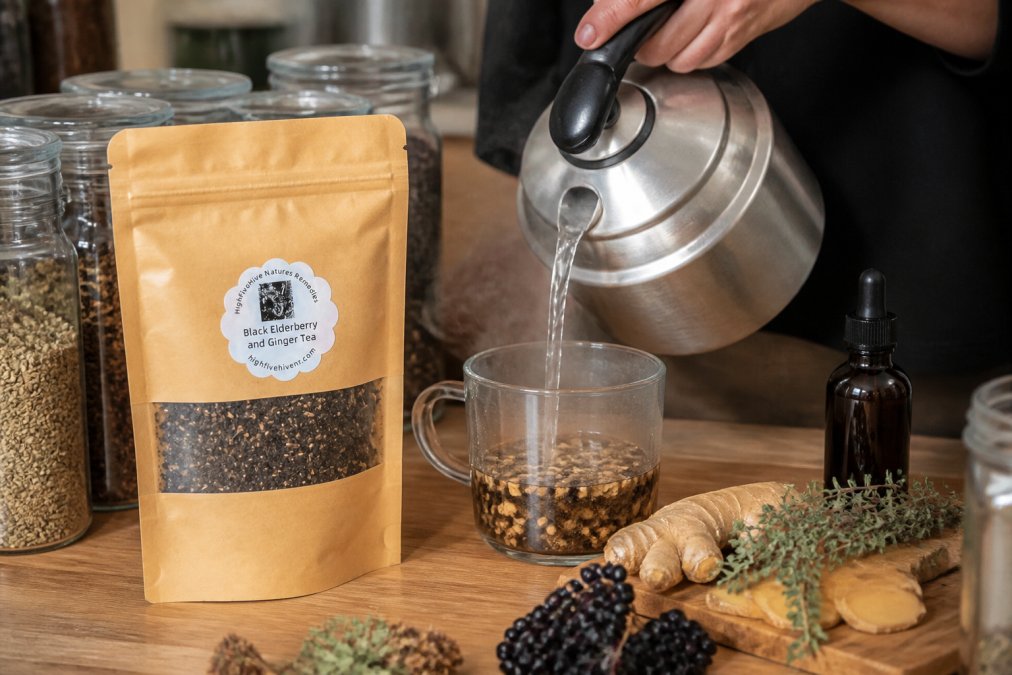
An herbal infusion is steeped plant material in hot water. Use infusions for delicate plant parts (flowers, leaves) and decoctions for dense materials (roots, bark, seeds).
For infusions: Pour just-boiled water (around 200°F) over dried or fresh herbs. Cover to prevent volatile oils from escaping. Steep for 5-10 minutes, depending on the herb. Strain and drink.
For decoctions: Place dried roots or bark in cold water, bring to a simmer, and maintain gentle heat for 10-20 minutes. This extended contact time extracts compounds requiring heat. Strain and drink warm.
Use approximately one teaspoon of dried herb (or one tablespoon of fresh) per cup of water. If the infusion tastes too weak, increase steeping time rather than adding more herb.
Preparing Tinctures at Home
Tinctures concentrate herbal compounds through alcohol extraction. They're shelf-stable, require minimal preparation time when ready to use, and allow precise dosing.
Basic tincture process:
- Fill a clean glass jar halfway with dried herb (or three-quarters full with fresh herb)
- Pour high-proof alcohol (vodka, grain alcohol, or brandy at 40% ABV or higher) until full
- Cap tightly and store in a cool, dark place
- Shake daily for two to four weeks
- Strain through cheesecloth into dark glass bottles
- Label with herb name and date
Typical dosing is 20-30 drops in water, taken 2-3 times daily. The alcohol preserves the tincture for years without refrigeration. If you avoid alcohol, make glycerin extracts using food-grade vegetable glycerin instead.
Dosage and Bioavailability Basics
Dosage represents one of the largest gaps between DIY websites and professional herbalism. Bioavailability depends on digestive health, preparation method, whether consumed with food, age, and medications. A 25-year-old with excellent digestion absorbs compounds differently than a 65-year-old with reduced stomach acid.
General guidelines suggest:
- Dried herb infusions: 1-3 cups daily
- Tinctures: 20-60 drops, 2-3 times daily
- Fresh herb preparations: 1-2 tablespoons daily
Start with the lower end of any range and observe your response over two to three weeks before increasing. Some people feel effects within days; others require weeks of consistent use. Patience and consistency matter more than high dosage.
If you take medications, discuss herbal dosing with your healthcare provider.
Safety Guidelines for Home Herbalism
Contraindications and Medication Interactions
Ginger, turmeric, and feverfew all have anticoagulant properties. If you take warfarin, clopidogrel, or similar blood thinners, consuming these herbs regularly could potentiate the medication's effects, increasing bleeding risk. Discuss frequency and dosage with your healthcare provider.
Elderberry may interact with immunosuppressive medications used after organ transplants or for autoimmune conditions. By supporting immune function, elderberry could counteract these medications' intended effects.
Yarrow and feverfew can stimulate uterine contractions, making them inappropriate during pregnancy. Women planning pregnancy should discontinue these herbs at least one menstrual cycle before conception.
If you take any regular medication, discuss your herbal practice with your prescribing provider before establishing a routine.
Quality and Storage Best Practices
Herb quality directly affects both safety and efficacy. Dried herbs should smell aromatic and retain color. Dull, musty-smelling herbs have likely oxidized or developed mold and shouldn't be used.
Keep dried herbs in airtight containers away from light, heat, and moisture. Most dried herbs remain potent for one to two years. Source matters, herbs grown in contaminated soil accumulate heavy metals and pesticides. Organic certification provides some assurance. Building relationships with local growers or established herbalists provides better confidence in quality.
If you forage wild herbs, accurate plant identification is non-negotiable. Many edible herbs have toxic look-alikes. Unless you have expert training, stick to cultivated herbs from known sources.
Budget-Friendly Herbalism: Growing and Sourcing Herbs
Growing your own herbs dramatically reduces costs while ensuring quality control. Ginger, turmeric, and yarrow all grow in containers or garden beds. Most culinary herbs thrive with minimal care: regular watering, adequate sunlight, and occasional pruning. A small herb garden on a sunny windowsill provides fresh material throughout the growing season. Dried homegrown herbs cost roughly one-tenth the price of commercially sourced equivalents.
For those without growing space, farmers' markets often offer dried herbs at lower prices than retail stores. Building relationships with vendors allows you to ask about growing practices and harvest timing.
HighFiveHive Nature's Remedies-Kitchen Herbalism products represent another budget consideration. Pre-formulated blends eliminate the time investment of sourcing and preparing individual herbs. For busy individuals, the convenience justifies the cost. For those prioritizing minimal expense, growing or sourcing individual herbs reduces costs significantly.
Why RN-Led Herbalism Differs from General Online Advice
RN-led herbalism incorporates medical knowledge that general herbalism websites typically lack. A registered nurse understands pharmacology, drug interactions, and how medications affect your body's absorption and processing of herbal compounds. They recognize contraindications that apply to your specific health situation and understand how age, kidney function, liver function, and digestive capacity affect whether an herb is safe for you personally.
General online advice treats all readers as identical. An herb safe for a healthy 30-year-old might be inappropriate for someone with liver disease or someone taking specific medications. Professional herbalism accounts for these individual factors.
At HighFiveHive Nature's Remedies-Kitchen Herbalism, our RN-led approach means every recommendation comes from someone with 40 years of nursing experience and formal training in herbal medicine.
Getting Started with Your Kitchen Herbalism Practice
Start small. Choose one or two herbs that address your specific concerns. Prepare your chosen herb in one method consistently for at least three weeks before evaluating results. This timeframe allows your body to adjust and provides enough data to notice genuine effects. Keep a log, it becomes invaluable for identifying what works for you.
Quality matters more than quantity. One cup of well-prepared herbal infusion daily provides more benefit than three cups of poorly prepared tea.
If you take medications, have a conversation with your healthcare provider about your herbal practice before establishing a routine. This single step prevents most serious complications.
Consider starting with prepared products from established herbalists. HighFiveHive Nature's Remedies-Kitchen Herbalism products like the Ruby Ginger Revive Black Elderberry & Ginger Tea ($16.50), Heritage Spice Elderberry & Botanical Extract ($24.00), Simply Yarrow Traditional Herbal Tincture ($16.95), and Simply Feverfew Traditional Herbal Extract ($14.95) remove the guesswork from proportions and preparation.
As you gain experience and confidence, expand into preparing your own herbs. Grow what you can, source quality dried herbs from reliable vendors, and gradually build a home herbal practice that reflects your needs and lifestyle.
Kitchen herbalism for immune support works best when grounded in safety, realistic expectations, and professional guidance. The herbs are real, the benefits are documented, but they're supporting players in a larger health picture that includes sleep, stress management, nutrition, and medical care when needed. HighFiveHive Nature's Remedies-Kitchen Herbalism brings 40 years of nursing expertise to kitchen herbalism, ensuring every recommendation accounts for your individual health situation. Explore our collection of professionally formulated herbal preparations and begin your practice with confidence that you're working with someone who understands both the science and the safety.
Frequently Asked Questions
What is the strongest herb for immune support?
Elderberry and ginger are among the most researched culinary herbs for immune modulation. Elderberry contains bioactive compounds that support the mucosal surfaces, your body's first line of defense, while ginger offers anti-inflammatory and antioxidant properties. The strongest herb depends on your specific needs: elderberry for respiratory health, ginger for digestive immunity, and turmeric for managing oxidative stress. An RN-led approach helps you match herbs to your individual health picture and current medications, ensuring safety and efficacy rather than generic recommendations.
How do I know if herbal remedies will interact with my medications?
This is a critical safety question that separates professional guidance from online recipes. Herbs contain phytochemicals that can affect how your body processes medications, some enhance effects, others reduce them. Common concerns include blood thinners (avoid high-dose garlic or ginger), diabetes medications (some herbs lower blood sugar further), and hormone therapies (certain herbs affect estrogen). Consulting with a qualified healthcare professional, particularly an RN trained in herbalism, ensures you receive personalized contraindication screening. Never assume online sources have reviewed your full medication list.
What is the difference between culinary herbs and medicinal herbalism?
Culinary herbs like ginger, turmeric, and yarrow are food-grade botanicals you cook with daily in small amounts. Medicinal herbalism uses the same plants but in therapeutic dosages through concentrated preparations like tinctures, decoctions, or standardized extracts, designed to create measurable immune system homeostasis changes. Culinary use supports baseline wellness; medicinal application targets specific immune challenges. Kitchen herbalism bridges both by teaching you to prepare culinary herbs therapeutically while staying within safe, food-based preparation methods.
How long before I notice immune support benefits from herbal remedies?
Preventative herbal support, taken daily during wellness seasons, works gradually over weeks to months by building antioxidant and anti-inflammatory reserves. You may notice subtle shifts: better energy, fewer seasonal challenges, improved digestive health. Acute support (when you feel run down) can show effects within 3-7 days depending on the herb and preparation method. Realistic expectations prevent disappointment; herbs support your body's natural defenses rather than replacing medical treatment. An RN-led approach sets honest timelines based on your specific situation.
This article was written using GrandRanker


Leave a comment