
RN-Led Kitchen Herbalism Benefits: A 2026 Guide
Table of Contents
- What Kitchen Herbalism Actually Is (And Why Most People Get It Wrong)
- Health Benefits of Culinary Herbs: From Digestive Support to Immune Resilience
- The Nurse Herbalist Scope of Practice: What Sets RN-Led Guidance Apart
- Herbal Medicine Contraindications with Pharmaceuticals: What You Must Know
- How to Start a Kitchen Apothecary: Sourcing, Storage, and Preparation
- Realistic Expectations: Timelines, Safety, and When to See Your Doctor
- Conclusion
Last Updated: August 7, 2026
What Kitchen Herbalism Actually Is (And Why Most People Get It Wrong)
Most people picture kitchen herbalism as a hobby, someone brewing chamomile tea or sprinkling turmeric into a smoothie and calling it medicine. That framing undersells it. And it also, frankly, gets people into trouble.
Kitchen herbalism is the practice of using culinary and medicinal herbs found in or sourced for the home kitchen to support everyday health, prevent common ailments, and complement conventional care. It draws on traditional medicine, botanical science, and an understanding of phytochemicals, the bioactive compounds in plants that produce measurable physiological effects.
Here's where most DIY guides go wrong: they treat herbs as interchangeable wellness props. Grab whatever's trending, steep it, drink it, repeat. There's no accounting for individual health status, pharmaceutical interactions, or the significant difference between a therapeutic preparation and a culinary garnish.
At HighFiveHive Nature's Remedies-Kitchen Herbalism, this is exactly the gap we address. With 40 years of nursing experience behind every recommendation, the approach here isn't folk remedy guesswork, it's clinical thinking applied to botanical tools. The result is something most wellness sites simply cannot offer: herbal guidance grounded in real patient care.
The difference between kitchen herbalism done casually and kitchen herbalism done correctly often comes down to one thing: professional oversight. Below, we'll cover the health benefits of culinary herbs, what RN-led guidance actually means in practice, how to safely start a home apothecary, and the contraindications that most guides never mention.
Health Benefits of Culinary Herbs: From Digestive Support to Immune Resilience
Culinary herbs are not decorative. The same plants that flavor your cooking contain phytochemicals with genuine therapeutic potential, compounds that interact with human physiology in ways that are increasingly well-documented in botanical research.
The key is understanding that bioavailability and potency vary enormously depending on preparation method, dosage, and the individual using them.
Carminative and Digestive Herbs
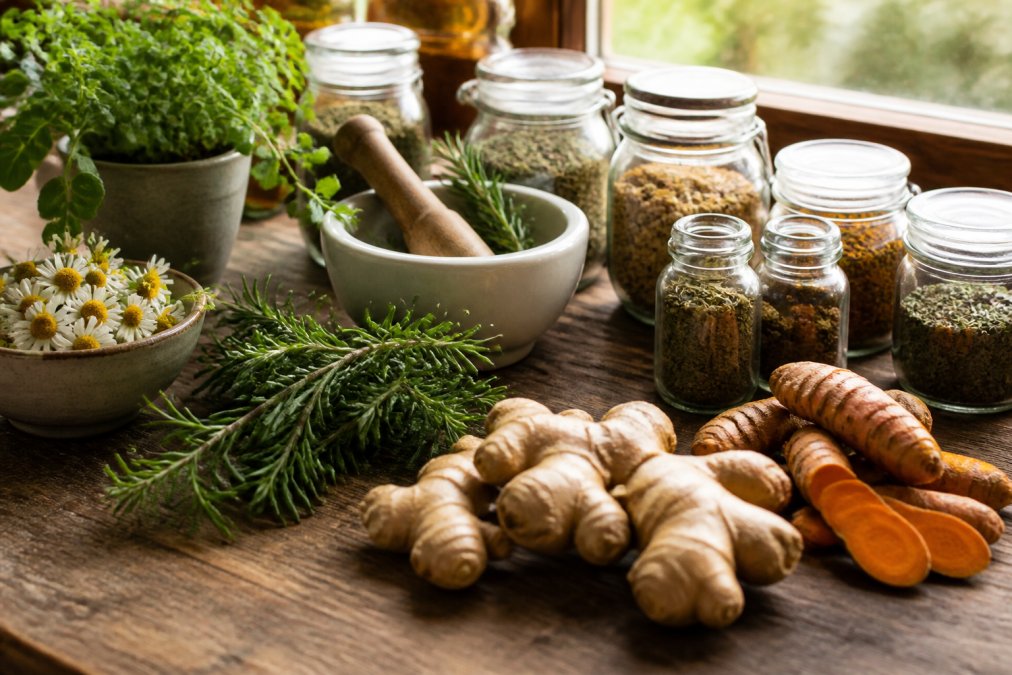
Carminative herbs are among the most clinically useful plants in a home apothecary. A carminative is an herb that relieves gas, bloating, and stagnant digestion by relaxing smooth muscle in the gastrointestinal tract and supporting the movement of digestive contents.
Common kitchen carminatives include:
- Fennel seed, classic for post-meal bloating and gas
- Ginger, addresses nausea, sluggish digestion, and morning sickness
- Peppermint, smooth muscle relaxation in the gut; useful for cramping
- Chamomile, dual-action carminative and nervine, calming both gut and nervous system
According to the National Center for Complementary and Integrative Health, ginger has been studied for its effects on nausea and digestive motility, with evidence supporting its use in specific populations. What most wellness blogs skip is the dosage context: a pinch of ginger in a stir-fry is culinary; a therapeutic ginger infusion uses a measured quantity steeped for a defined period. Those are not the same thing.
Immune-Boosting and Anti-Inflammatory Actions
Several culinary herbs carry significant anti-inflammatory and antimicrobial properties. Turmeric's active compound, curcumin, has been the subject of extensive research for its effects on inflammatory pathways. Oregano contains carvacrol and thymol, both of which demonstrate antimicrobial activity in laboratory settings. Garlic's allicin content supports immune resilience across multiple mechanisms.
The honest caveat here: anti-inflammatory effects observed in laboratory or controlled studies don't always translate directly to clinical outcomes at culinary doses. This is why dosage and preparation matter, and why professional guidance changes the equation.
Nervine Herbs for Stress and the Nervous System
Nervine herbs act on the nervous system to reduce anxiety, support sleep, and ease the physical manifestations of chronic stress. This category is particularly relevant for adults managing hormonal transitions, chronic pain, or the compounding effects of long-term stress on immune function.
Key nervines found in most home kitchens or easily sourced include:
- Chamomile, mild sedative and anxiolytic properties
- Lemon balm, calming without drowsiness for most people
- Lavender, used in infusions and aromatherapy for nervous system support
- Holy basil (tulsi), adaptogenic nervine; supports stress resilience over time
Nervines are among the herbs most likely to interact with pharmaceutical medications, particularly sedatives, antidepressants, and anti-anxiety drugs. This is not a reason to avoid them, it's a reason to use them with informed oversight.
The Nurse Herbalist Scope of Practice: What Sets RN-Led Guidance Apart
The nurse herbalist scope of practice sits at the intersection of conventional clinical training and botanical medicine. This isn't a certification anyone can purchase over a weekend. A registered nurse brings years of pharmacology, pathophysiology, and patient assessment to herbal practice, skills that fundamentally change how herb recommendations are made and monitored.
What does that mean practically? An RN-led approach includes:
- Health history review, identifying conditions that change herb safety profiles
- Pharmaceutical cross-referencing, checking for known herb-drug interactions before recommending anything
- Individualized dosing, adjusting preparation strength and frequency based on the individual's age, weight, kidney and liver function, and health status
- Outcome monitoring, recognizing when an herb isn't working, is causing adverse effects, or when a symptom requires medical escalation
Most online herbalism resources skip all four of these steps. They offer generic protocols that may be appropriate for a healthy 30-year-old with no medications, and potentially harmful for someone managing diabetes, hypertension, or autoimmune conditions.
As documented in the American Herbalists Guild's professional standards, competent herbal practice requires integrating client health history with botanical knowledge. An RN adds clinical assessment skills that most herbalists, however knowledgeable about plants, simply don't have.
The 40 years of nursing experience behind HighFiveHive Nature's Remedies-Kitchen Herbalism isn't a marketing detail. It's the actual mechanism that makes the guidance safer and more effective than generic DIY recipes.
Herbal Medicine Contraindications with Pharmaceuticals: What You Must Know
This is the section most herbalism guides don't write. Herbal medicine contraindications with pharmaceuticals are real, documented, and in some cases serious. Skipping this conversation is one of the most common mistakes in the DIY herbalism space.
Some of the most clinically significant interactions include:
| Herb | Common Use | Potential Interaction |
|---|---|---|
| St. John's Wort | Mood support | Reduces effectiveness of many drugs including blood thinners, birth control, and antiretrovirals |
| Ginkgo biloba | Cognitive support | Increases bleeding risk with anticoagulants like warfarin |
| Valerian | Sleep support | Additive sedation with benzodiazepines and other CNS depressants |
| Garlic (high-dose) | Immune/cardiovascular | Potentiates anticoagulant effects |
| Licorice root | Digestive/adrenal support | Can raise blood pressure; interacts with corticosteroids and diuretics |
| Ginger (therapeutic dose) | Digestive/anti-nausea | May potentiate anticoagulants at high doses |
This table covers only a fraction of documented interactions. The Natural Medicines database used by pharmacists and clinicians tracks thousands of herb-drug interaction profiles, a resource that illustrates just how complex this field actually is.
For anyone managing diabetes with metformin or insulin, the interaction picture is particularly nuanced. Several herbs used for blood sugar support, including berberine, cinnamon at therapeutic doses, and bitter melon, can potentiate hypoglycemic effects, meaning blood sugar can drop lower than expected. This isn't dangerous if monitored. It becomes dangerous when nobody's watching.
The nurse herbalist scope of practice is specifically designed to navigate this complexity. An RN can review your medication list, identify red flags, and design an herbal wellness routine that works alongside your conventional care rather than against it.
How to Start a Kitchen Apothecary: Sourcing, Storage, and Preparation
Starting a kitchen apothecary doesn't require an expensive overhaul of your pantry. It requires intention, quality sourcing, and a basic understanding of preparation methods.
Sourcing and Quality Control
Herb quality is the most overlooked variable in kitchen herbalism. The potency of a dried herb depends on when it was harvested, how it was dried, how it was stored, and how long ago it was packaged. A jar of "chamomile" that's been sitting in a warehouse for two years has a fraction of the therapeutic value of freshly dried chamomile harvested at peak bloom.
Sourcing guidelines for a home apothecary:
- Buy from reputable suppliers who disclose country of origin, harvest date, and lot number
- Prefer certified organic where possible, particularly for herbs used in infusions or tinctures where you're concentrating the plant material
- Check for third-party testing, reputable suppliers test for heavy metals, pesticide residues, and microbial contamination
- Avoid bulk bins in grocery stores for therapeutic use; turnover rates are unpredictable and contamination risk is higher
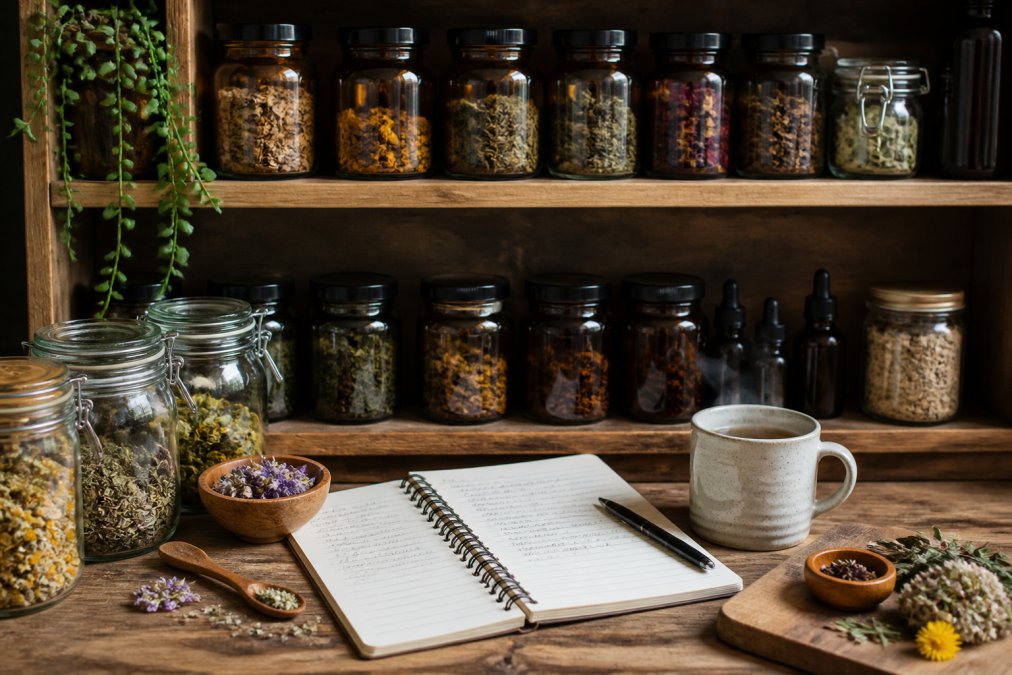
- Store in amber glass jars away from heat, light, and moisture; most dried herbs hold potency for 12-18 months under proper conditions
The American Botanical Council's guidance on herb quality standards provides detailed frameworks for evaluating botanical product quality, worth reviewing if you're building a serious home practice.
Basic Preparations: Infusions, Tinctures, and Ratios
The three most practical preparations for a kitchen apothecary are infusions, decoctions, and tinctures. Each extracts different phytochemicals and suits different herbs.
Infusions (herbal teas) work best for delicate plant material: leaves, flowers, and aromatic herbs. Standard ratio: 1-2 teaspoons of dried herb per 8 ounces of water, steeped covered for 10-15 minutes. Covering the cup matters, volatile aromatic compounds (the ones with carminative and nervine effects) escape with steam if left uncovered.
Decoctions are used for harder plant material: roots, bark, and seeds. Simmer in water for 20-30 minutes rather than steeping. Ginger root, turmeric root, and fennel seed are commonly prepared this way.
Tinctures use alcohol as a solvent to extract and preserve phytochemicals. Standard folk ratio: fill a jar with dried herb, cover completely with 80-proof alcohol (vodka works), steep for 4-6 weeks, strain, and store in a dark glass dropper bottle. More precise preparations use a 1:5 weight-to-volume ratio (1 gram of herb to 5 mL of solvent) for consistency.
The critical point about ratios: the difference between a culinary use and a therapeutic dose is real. A therapeutic ginger infusion uses significantly more herb than a flavored tea. Getting dosage right is where professional guidance makes a measurable difference.
Realistic Expectations: Timelines, Safety, and When to See Your Doctor
Kitchen herbalism works. It also takes time, and it has limits.
Most people starting a wellness routine with culinary herbs notice digestive improvements relatively quickly, carminative effects on bloating and gas often appear within days of consistent use. Nervine effects on sleep quality and stress response typically develop over two to four weeks of regular use. Anti-inflammatory support for joint discomfort is a longer arc; many practitioners suggest a six to twelve week commitment before assessing results.
What kitchen herbalism is not: emergency medicine, a substitute for prescription therapy in acute conditions, or a guaranteed fix for complex chronic disease. Anyone experiencing chest pain, sudden neurological symptoms, severe infection, or uncontrolled blood sugar should seek immediate medical care, full stop.
The preventative health framing is more accurate. Kitchen herbalism excels as part of a holistic care approach: supporting the body's baseline function, reducing low-grade inflammation, supporting the nervous system under stress, and building immune resilience over time. These are meaningful outcomes. They're just not overnight outcomes.
A few practical safety markers to watch for when starting any new herbal protocol:
- New skin reactions, particularly rashes or hives
- Digestive upset that persists beyond the first week
- Unusual changes in energy, sleep, or mood
- Any symptoms that seem to worsen rather than improve
If you're managing a chronic condition, the right approach is to treat your herbal wellness routine as you would any new therapeutic intervention: disclose it to your healthcare provider, track your response, and adjust based on real feedback rather than hope.
Community herbalism at its best is not about replacing the medical system. It's about building a more informed, proactive relationship with your own health, with the kind of stewardship that comes from professional training and genuine care for patient outcomes. That's what separates a thoughtful herbal practice from a collection of recipes found online.
Managing chronic conditions, navigating hormonal changes, or simply wanting to build a more resilient wellness routine are challenges that deserve more than generic advice from a search result. HighFiveHive Nature's Remedies-Kitchen Herbalism brings 40 years of nursing experience to every recommendation, combining RN-led clinical assessment with practical kitchen herbalism to create targeted support for immune health, blood sugar balance, joint comfort, and women's wellness. Shop Now to explore what a professionally guided herbal approach can do for your health.
Frequently Asked Questions
What is kitchen herbalism and how does it differ from clinical herbalism?
Kitchen herbalism uses everyday culinary herbs, ginger, garlic, rosemary, thyme, as the foundation of a home wellness routine, focusing on food-grade plants most people already have access to. Clinical herbalism typically involves a broader pharmacopoeia and higher-dose therapeutic protocols. Kitchen herbalism is more accessible and lower-risk, but it still benefits from professional guidance to ensure safe preparation, appropriate dosage, and awareness of any contraindications with medications you already take.
Are there safety risks when using kitchen herbs for medicinal purposes?
Yes, even familiar culinary herbs carry risks at therapeutic doses or in certain health situations. Ginger and turmeric can affect blood thinning; licorice root raises blood pressure; and several herbs interact with common pharmaceuticals, including diabetes medications, anticoagulants, and thyroid drugs. An RN-led kitchen herbalism approach addresses these herbal medicine contraindications with pharmaceuticals directly, reviewing your health history before recommending any remedy. Never assume a herb is safe simply because it appears in your spice cabinet.
What is a nurse herbalist and what do they do?
A nurse herbalist is a registered nurse who integrates botanical and herbal medicine knowledge into their nursing practice. Within the nurse herbalist scope of practice, they assess a client's full health picture, including medications and chronic conditions, then recommend herbal preparations that complement, rather than conflict with, conventional care. This dual background in clinical nursing and herbalism means recommendations are grounded in anatomy, pharmacology, and patient safety, not just traditional use or anecdotal wellness advice.
How long before I notice results from kitchen herbalism?
Results vary by condition and herb. Acute digestive support from carminative herbs like peppermint or fennel can ease bloating within 30 to 60 minutes. Anti-inflammatory support from turmeric or ginger typically requires consistent daily use over four to eight weeks before meaningful changes in joint comfort are noticeable. Blood sugar and immune support benefits generally emerge over several weeks of consistent use. An RN-led program sets realistic, individualized timelines rather than promising rapid outcomes.
This article was written using GrandRanker


Leave a comment