
Safe Herbal Remedies for Diabetes: A Nurse's Guide
Table of Contents
- Understanding Herbal Remedies for Diabetes Management
- Common Herbs That Support Blood Sugar Control
- Herbal Supplement Drug Interactions with Diabetes Medication
- How to Talk to Your Doctor About Supplements
- FDA Regulation of Dietary Supplements and Safety Standards
- Building Your Safe Herbal Routine: Quality, Dosage, and Monitoring
- Conclusion
Last Updated: August 12, 2026
Understanding Herbal Remedies for Diabetes Management
Herbal remedies for diabetes work best alongside, not instead of, medical treatment. At HighFiveHive Nature's Remedies-Kitchen Herbalism, we emphasize that herbal support requires the same rigor as pharmaceutical care: proper identification, quality sourcing, appropriate dosing, and close monitoring with your healthcare provider.
Herbs contain active compounds that influence insulin sensitivity, fasting blood glucose, and glucose metabolism. Some show measurable effects on glycemic control in research; others have centuries of traditional use but limited clinical evidence. What matters is whether an herb fits your specific diabetes type, your other medications, and your personal health goals.
Many people approach herbal support with incomplete information, brewing recipes at home and hoping for results. This carries real risks: herb-drug interactions can reduce medication effectiveness, some herbs trigger hypoglycemia when combined with insulin, and unregulated supplements may contain contaminants or incorrect plant material. The safest path requires understanding what you're taking, why, and how it interacts with your medications.
This guide walks you through the evidence, safety considerations, and practical steps to integrate herbal support responsibly. You'll learn which herbs have the strongest research backing, how to identify dangerous drug-herb interactions, and how to build a sustainable routine your doctor can monitor.
Common Herbs That Support Blood Sugar Control
Several herbs have demonstrated measurable effects on blood sugar regulation and insulin sensitivity. Understanding what the evidence actually supports helps you make informed choices rather than chasing marketing claims.
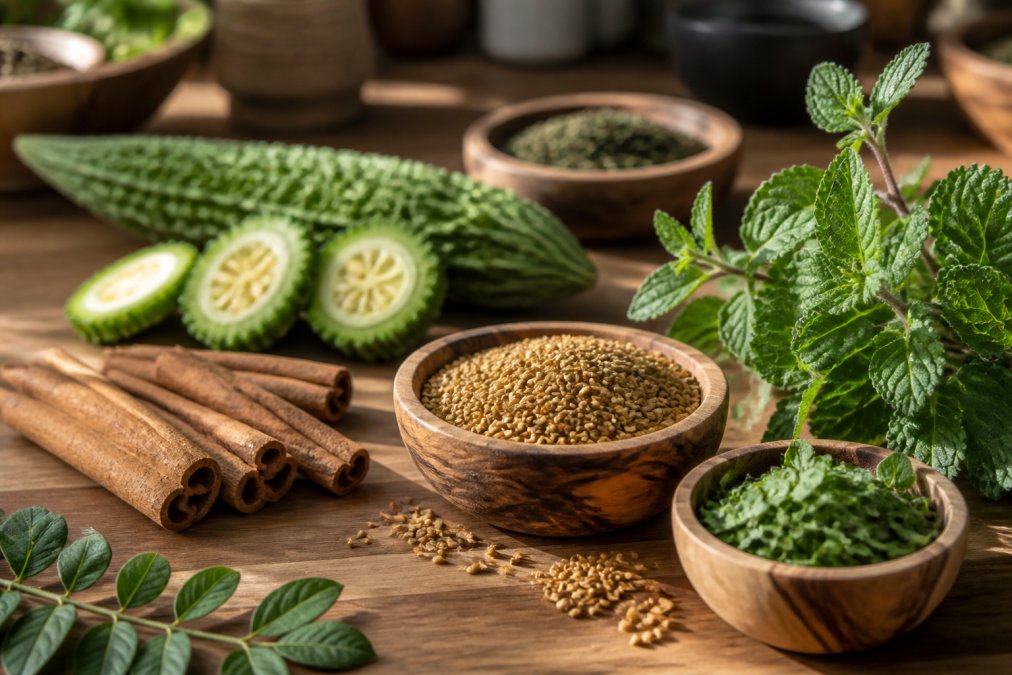
Cinnamon and Fenugreek
Cinnamon has become popular for diabetes management because early research suggested it improved fasting blood glucose levels. The reality is more nuanced. Some studies found modest improvements in glycemic control; others found minimal effect. The variation depends on cinnamon type (Ceylon versus cassia), dose, extract form, and individual metabolic differences.
Fenugreek seeds contain compounds that slow carbohydrate digestion and may improve insulin secretion. Traditional use in Indian and Middle Eastern medicine spans centuries. Recent research suggests modest benefits, particularly in people with prediabetes or type 2 diabetes, though results aren't dramatic.
Both herbs show enough promise to explore with your doctor's approval, but neither replaces medication or lifestyle changes. Expect gradual changes over weeks, not immediate results. Cinnamon works best as a consistent addition, a quarter to half teaspoon daily in tea or food. Fenugreek typically requires higher doses (1-2 teaspoons of seeds daily) and tastes bitter, which affects compliance.
Berberine and Bitter Melon
Berberine is an alkaloid compound found in goldenseal and barberry. Research shows it activates pathways involved in glucose metabolism and may improve insulin sensitivity. Some studies comparing berberine to metformin found similar effects on fasting blood glucose and HbA1c levels, though evidence isn't conclusive across all populations.
Bitter melon is used in traditional medicine across Asia and Africa. The fruit contains compounds that may influence beta-cell function and improve glucose uptake. Research shows mixed results, some trials found modest improvements in blood sugar levels; others found no significant effect.
Both herbs carry interaction risks. Berberine can potentiate diabetes medications, potentially causing hypoglycemia if doses aren't adjusted. Bitter melon has similar concerns and may interact with certain blood pressure medications. Your doctor may need to reduce medication doses if you add these herbs and monitor your blood glucose patterns closely.
Alpha-Lipoic Acid and Chromium
Alpha-lipoic acid is a compound your body produces naturally, but supplemental forms are derived from plant sources. It functions as an antioxidant and may improve insulin sensitivity by reducing oxidative stress. Some research suggests it helps reduce symptoms of diabetic neuropathy (nerve damage).
Chromium is a trace mineral that plays a role in carbohydrate and lipid metabolism. Some evidence suggests chromium supplementation may improve glycemic control in people with type 2 diabetes, though the effect tends to be modest and varies by individual.
Both are generally safer than berberine or bitter melon regarding severe interactions, but they're not risk-free. Alpha-lipoic acid may potentiate insulin effects, and chromium can interact with certain medications. These compounds work through different mechanisms and may complement each other or herbal remedies, but combination use requires careful monitoring.
Herbal Supplement Drug Interactions with Diabetes Medication
Herbal supplement drug interactions with diabetes medication are real, measurable, and sometimes serious. Many people skip this step and discover problems only when their blood sugar swings unpredictably.
Herbs contain active compounds that interact with your medications. An herb that lowers blood glucose slightly on its own becomes dangerous when combined with insulin or sulfonylureas, which already lower blood glucose. An herb that affects liver metabolism can change how your body processes metformin. An herb with mild blood-thinning properties becomes problematic if you're also taking aspirin.
Common interaction patterns:
Additive glucose-lowering effects. Berberine, bitter melon, fenugreek, and cinnamon all lower blood glucose. When combined with insulin, sulfonylureas, or GLP-1 agonists, they increase hypoglycemia risk. Your blood sugar can drop too far, causing shakiness, confusion, or sweating. The fix is working with your doctor to adjust medication doses downward and monitor blood glucose more frequently.
Hepatic metabolism changes. Your liver processes most medications. Some herbs induce liver enzymes (speed up metabolism), while others inhibit them (slow it down). If an herb speeds up how your liver processes your diabetes medication, you may need higher doses. If an herb slows metabolism, standard doses become too strong.
Antioxidant interference. While antioxidants sound beneficial, some diabetes medications work partly through oxidative mechanisms. Adding high-dose antioxidants can theoretically reduce medication effectiveness, though this is less common than glucose-lowering interactions.
Keep a detailed list of every herb and supplement you take, including doses and frequency. Bring this list to every doctor appointment. Before adding a new herb, ask your doctor specifically about interactions with your current medications.
How to Talk to Your Doctor About Supplements
Your doctor needs complete information to monitor your health accurately and catch problems early. Approach the conversation as a partnership, not a confession.
Start by being specific. Don't say "I'm thinking about herbal remedies for diabetes." Say "I'm considering adding cinnamon extract, about 500mg daily, to my routine." This specificity lets your doctor assess the actual risk.
Explain why you're interested. Are you looking for additional support alongside your current medications? Do you want to address a specific symptom your medication doesn't fully control? Your doctor's advice will be more tailored if they understand your goals.
Ask directly about interactions: "Are there any interactions between this herb and my current medications?" If your doctor isn't familiar with a particular herb, ask if they can look it up or refer you to a pharmacist who specializes in herbal interactions.
Establish a monitoring plan. If you add an herb that affects blood glucose, agree on how often you'll check your blood sugar and what patterns warrant a medication adjustment. This shared plan makes it clear you're taking the herbal approach seriously.
Document everything. Keep a log of what herbs you're taking, at what dose, and when. Note any changes in how you feel, your blood sugar patterns, or side effects. Bring this log to appointments.
FDA Regulation of Dietary Supplements and Safety Standards
Dietary supplements are regulated by the FDA under a different framework than medications. Before a medication reaches the market, the manufacturer must prove it's safe and effective through rigorous clinical trials. With dietary supplements, the manufacturer is responsible for safety and claims, but the FDA doesn't pre-approve supplements before they're sold. The FDA can only act if a supplement is proven unsafe after it's already on the market.
The FDA requires manufacturers to ensure purity, potency, and safety. Supplements must be manufactured in facilities that meet Current Good Manufacturing Practice standards. Labels must be accurate and not make false disease claims. However, enforcement varies, and some manufacturers cut corners.
Not all herbal products are created equal. Two bottles labeled "cinnamon extract" may contain very different amounts of active compounds or be contaminated with heavy metals or mold. Look for supplements from manufacturers with third-party testing certifications (NSF, USP, or ConsumerLab). These certifications verify that the product contains what the label says and is free from major contaminants.
Be skeptical of exaggerated claims. If a supplement claims to "reverse diabetes" or "eliminate the need for insulin," it's making an illegal drug claim. Legitimate herbal products support blood sugar management; they don't cure diabetes.
If you experience unexpected symptoms after starting an herb, report it to your doctor and consider reporting it to the FDA's MedWatch program. These reports help identify safety issues.
Building Your Safe Herbal Routine: Quality, Dosage, and Monitoring
A sustainable herbal routine rests on three foundations: knowing exactly what you're taking, using appropriate doses, and tracking how your body responds.
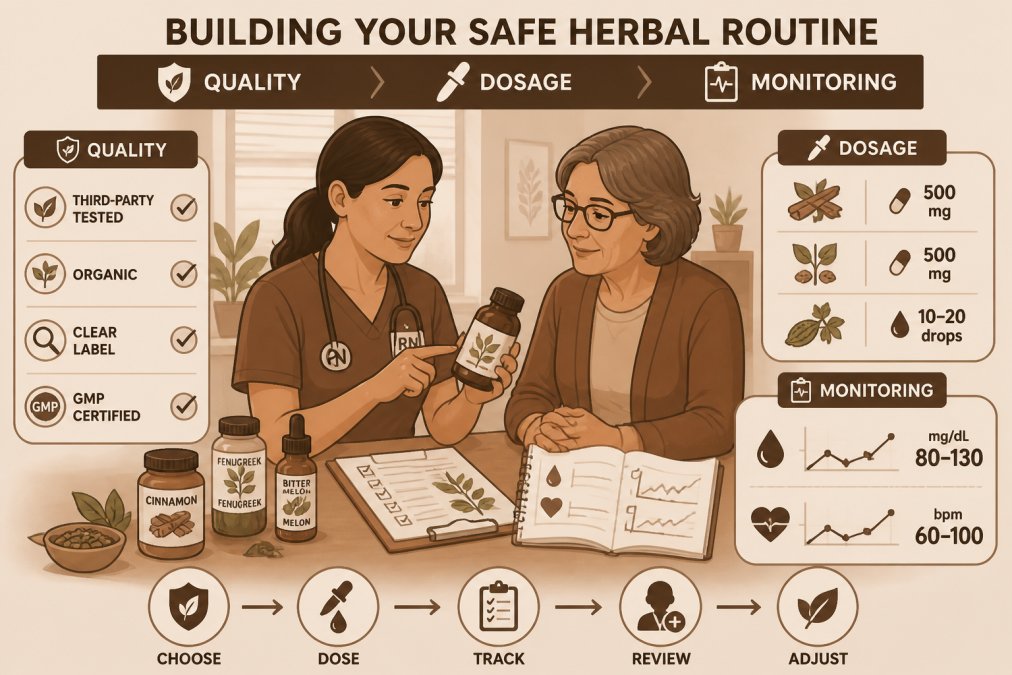
Start with sourcing. Buy supplements from reputable manufacturers. Check the label for third-party testing certifications: USP, NSF, or ConsumerLab. These indicate the product has been tested for purity and potency. Avoid supplements from unknown online sellers unless you can verify their testing standards.
Dose conservatively. Most herbal remedies work best at consistent, moderate doses over weeks or months, not high doses over days. Start at the lower end of recommended ranges. Give each dose at least 2-3 weeks before increasing. This gradual approach lets you identify whether the herb helps and whether it causes side effects.
Keep a blood glucose log. Monitor your blood glucose patterns before and after adding an herb. Check fasting glucose and postprandial (after-meal) glucose regularly. Use a continuous glucose monitor if you have one. Without this data, you're guessing.
Monitor for side effects. Some herbal remedies cause nausea, digestive upset, or headaches. Others cause hypoglycemia when combined with medication. Keep notes on how you feel and report unexpected symptoms to your doctor.
Adjust based on results. After 6-8 weeks, review your blood glucose patterns with your doctor. If the herb is helping, you may continue it and potentially reduce medication doses under medical supervision. If it's not helping, discontinue it.
Avoid excessive combinations. Add one herb at a time, wait several weeks, then assess before adding another. Combining multiple herbal remedies simultaneously makes it impossible to know which herb is helping and which might be causing problems.
Inform all your healthcare providers. Tell your primary care doctor, endocrinologist, and dentist about your herbal routine. Different providers might identify interaction risks the others missed.
Building a safe herbal routine for diabetes management requires the same commitment to precision and monitoring that your medication regimen demands. HighFiveHive Nature's Remedies-Kitchen Herbalism approaches herbal support with the rigor of nursing care, grounded in evidence, transparent about limitations, and always in partnership with your medical team. Your diabetes management works best when your doctor knows exactly what you're taking, why you're taking it, and how your body is responding.
| Herb | Primary Use | Typical Dose | Key Interaction Risk | Monitoring Need |
|---|---|---|---|---|
| Cinnamon | Fasting glucose support | 1/4-1/2 tsp daily | Mild additive glucose-lowering effect | Monthly blood glucose review |
| Fenugreek | Postprandial glucose control | 1-2 tsp seeds daily | Moderate additive glucose-lowering effect | Frequent glucose monitoring |
| Berberine | Insulin sensitivity | 500mg once daily | High additive glucose-lowering effect; hepatic metabolism | Bi-weekly glucose checks; medication adjustment likely |
| Bitter Melon | General glycemic control | 1-2 oz fresh juice daily | Moderate additive glucose-lowering effect | Weekly glucose monitoring |
| Alpha-Lipoic Acid | Neuropathy support | 300-600mg daily | Mild additive glucose-lowering effect | Monthly review |
| Chromium | Glucose metabolism | 200-400mcg daily | Mild additive glucose-lowering effect | Monthly review |
Frequently Asked Questions
What herbs are safe for diabetics to use alongside their medications?
Several herbs have been studied for blood sugar support, including cinnamon, fenugreek, berberine, and bitter melon. However, safety depends on your specific diabetes medications, other health conditions, and dosage. Cinnamon and fenugreek are generally well-tolerated, but berberine and bitter melon can intensify the effects of diabetes medications, potentially lowering blood glucose too much. Always consult your healthcare provider before starting any herbal remedy to ensure it won't interact with your current treatment plan.
Can herbal supplements interact with diabetes medications like metformin?
Yes, some herbal supplements can interact with metformin and other diabetes medications. Berberine, for example, works similarly to metformin and may increase the risk of low blood sugar when combined. Bitter melon, fenugreek, and cinnamon may also enhance medication effects. These interactions can be beneficial when monitored by a healthcare provider, but they require careful dosing and blood glucose monitoring. Never start a new herbal remedy without discussing it with your doctor or endocrinologist first.
How do I know if an herbal supplement is safe and of good quality?
Look for supplements tested by third-party organizations like NSF International, USP, or ConsumerLab, which verify purity and potency. Check the label for a standardized extract percentage, which indicates the herb's active compounds are consistent. Avoid products making cure claims, as the FDA prohibits these for dietary supplements. Buy from reputable manufacturers with transparent sourcing practices. An RN-led approach ensures professional guidance on selecting quality products and appropriate dosages for your individual health profile.
What should I expect in terms of results when using herbal remedies for blood sugar?
Results vary widely depending on the herb, your diabetes type, dosage, and overall lifestyle. Some people notice modest improvements in fasting blood glucose within 2-4 weeks, while others see changes more gradually. Herbal remedies work best alongside lifestyle modifications like dietary fiber intake, regular physical activity, and stress management. They are not replacements for prescribed diabetes medications. Blood glucose monitoring is essential to track whether herbal support is working for your individual needs and to prevent hypoglycemia or hyperglycemia.
This article was written using GrandRanker


Leave a comment