
Women's Health RN vs Herbalism Coaching: Key Differences
Table of Contents
- Women's Health Nurse Practitioner Role and Clinical Authority
- Women's Health Nurse Practitioner Scope of Practice: Clinical vs. Coaching
- Professional Herbalism Coaching: Certification and Credentials
- Nursing vs Health Coaching Salary Expectations and Career Growth
- Patient Outcomes: Clinical Assessment vs. Lifestyle Coaching
- Hybrid Career Models: Combining Clinical Nursing and Herbalism Expertise
- Choosing the Right Path for Your Health Goals
- Conclusion
Last Updated: August 13, 2026
Women's Health Nurse Practitioner Role and Clinical Authority
A women's health nurse practitioner is a registered nurse with advanced clinical training who holds diagnostic authority and can prescribe medications, order lab tests, and manage complex health conditions within a defined scope of practice. This distinction matters because it separates clinical nursing from wellness coaching, two fundamentally different roles operating under different regulations and accountability structures.
The women's health nurse practitioner completes a master's degree program (typically 18-24 months) that includes advanced pharmacology, pathophysiology, and clinical assessment. They perform physical examinations, interpret diagnostic results, and make treatment decisions within the scope of practice defined by state nursing boards. They hold professional credentials recognized by regulatory bodies and carry malpractice liability for clinical decisions.
A women's health nurse practitioner must maintain a current nursing license, complete continuing education requirements set by state boards, and practice under collaborative agreements or independent practice laws (depending on the state). They operate within evidence-based practice frameworks and are accountable to patients and regulators for diagnostic accuracy and treatment safety.
At HighFiveHive Nature's Remedies-Kitchen Herbalism, we recognize that many women seek clinical guidance paired with natural remedy support. The RN-led approach bridges this gap, combining clinical assessment authority with herbal expertise, ensuring that any natural remedies recommended align with a patient's existing conditions, medications, and diagnostic findings.
The scope of practice for a women's health nurse practitioner focuses on reproductive health, hormonal management, preventative care across the lifespan, and chronic disease management. They address conditions like polycystic ovary syndrome, endometriosis, perimenopause, postpartum recovery, and metabolic concerns, emphasizing root cause analysis rather than symptom management alone.
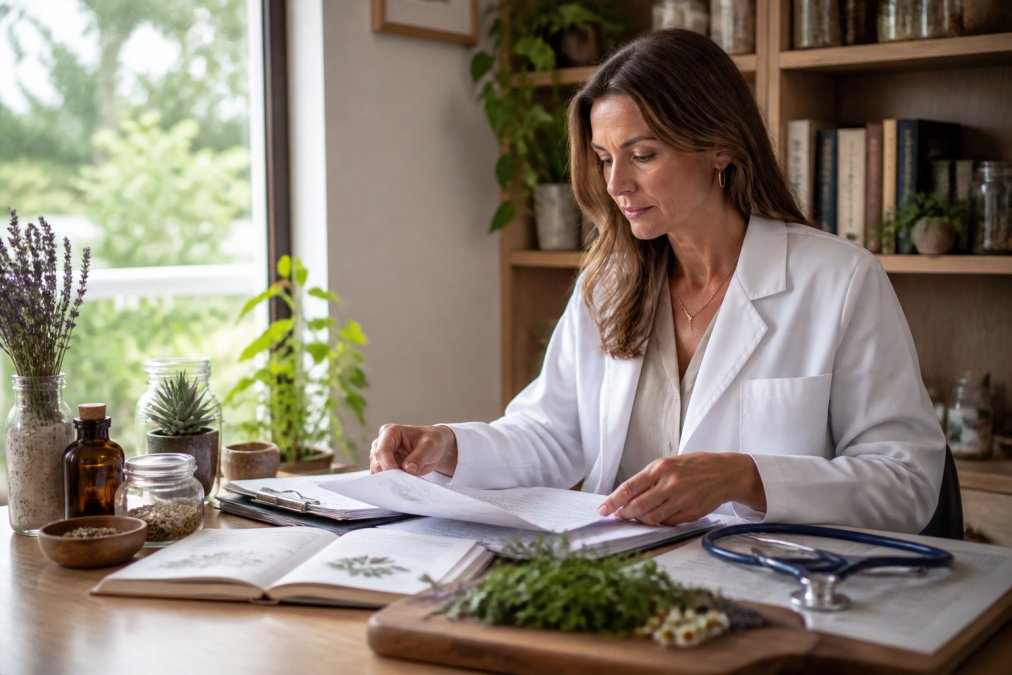
Women's Health Nurse Practitioner Scope of Practice: Clinical vs. Coaching
A women's health nurse practitioner operates with clinical diagnostic authority. They can order lab work, interpret results, prescribe medications, and adjust treatment plans based on clinical findings. A health coach, even one with herbalism certification, cannot legally diagnose conditions, order labs, or prescribe anything.
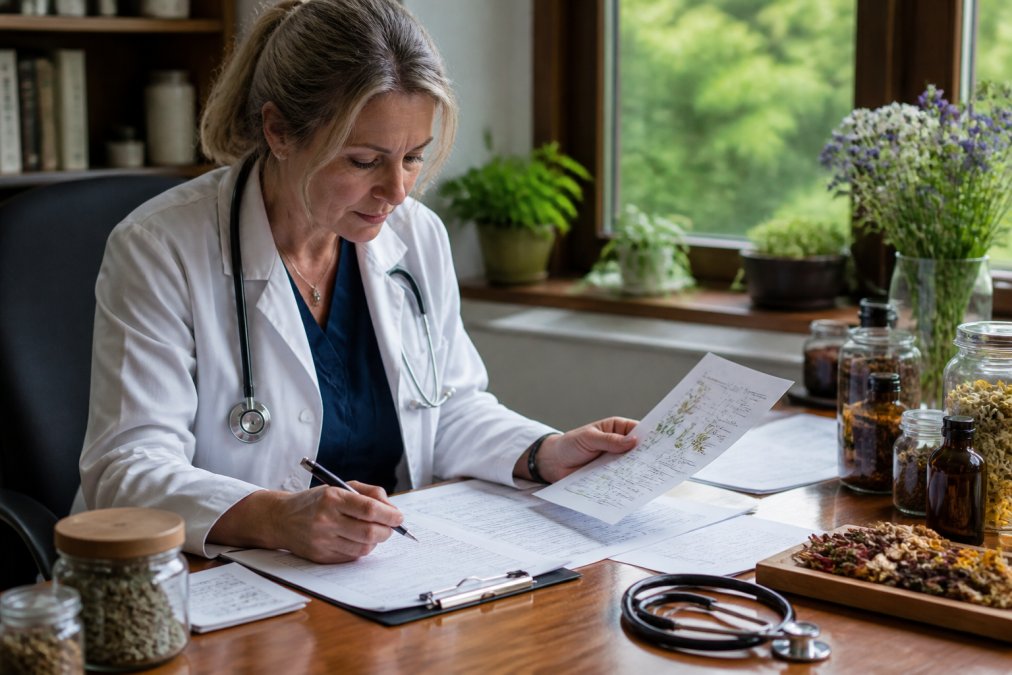
If a patient presents with irregular periods and fatigue, a women's health nurse practitioner will order thyroid panels, hormone testing, and iron studies to identify the underlying cause, then recommend treatment which might include medications, supplements, dietary changes, or herbal remedies. A health coach would recommend dietary changes and herbal support without the diagnostic layer.
Both roles have value. If you have existing health conditions, take multiple medications, or need diagnostic clarity before making changes, you need clinical assessment. If you're generally healthy and seeking lifestyle optimization or natural approaches to prevent future problems, health coaching may be sufficient.
The women's health nurse practitioner scope also includes patient advocacy, ensuring treatment recommendations align with a patient's values and preferences. Clinical practice requires informed consent, documentation of clinical reasoning, and accountability to regulatory boards. A women's health nurse practitioner carries malpractice insurance and is accountable for diagnostic errors and adverse outcomes. A health coach operates under different liability frameworks and is typically not responsible for medical outcomes.
Professional Herbalism Coaching: Certification and Credentials
Professional herbalism coaching sits in a different regulatory space than clinical nursing. Herbalism practitioners can pursue formal certification through accredited programs governed by professional herbalism organizations like the American Herbalists Guild, which sets educational standards and credentials for clinical herbalism.
The American College of Healthcare Sciences (ACHS) offers an accredited online diploma in herbal studies covering Western herbalism, integrated nutrition, and field botany. Graduates are recognized as professional clinical herbalists, distinct from amateur herbalists. Chestnut School of Herbal Medicine offers online training focused on hands-on remedy preparation and sustainable herbal practices.
A certified herbalist can recommend specific herbs for specific conditions based on traditional use and emerging research, understanding herb-drug interactions, contraindications, and appropriate dosing. However, they cannot order lab tests, diagnose conditions, or adjust medications. Their scope is limited to recommending herbal approaches within the wellness and preventative care space.
Educational Pathways for Herbalism Practitioners
Most herbalism certification programs cover foundational botany and plant identification, herbal actions and properties, preparation methods, traditional use patterns, and modern clinical research. Time commitment typically ranges from 6 months to 2 years depending on program depth and format.
Integrative Women's Health Institute offers specialized certification in women's health and nutrition coaching, combining functional nutrition, health coaching, and therapeutic strategies for pelvic health, fertility, perinatal care, and menopause.
The Women's Health RN's 5-Month Root-Cause Program represents a hybrid model. While led by an RN, it functions as functional nutrition coaching rather than clinical nursing, combining clinical lab interpretation with coaching methodology. The RN's clinical background informs recommendations, but delivery is coaching-based rather than medical management.
Nursing vs Health Coaching Salary Expectations and Career Growth
Compensation differs substantially between these roles. A registered nurse with women's health specialization typically earns within the advanced practice nurse range, with more stable employment and benefits in hospitals, clinics, or private practice than independent health coaches.
Health coaches, including herbalism practitioners, typically operate as independent practitioners setting their own rates or work within wellness organizations. Income varies dramatically based on client volume, pricing model, and market demand. Career growth for coaches centers on business development and reputation-building rather than clinical advancement.
Nurses must maintain licensure through continuing education mandated by state boards. Health coaches maintain certifications through continuing education set by professional organizations, but these are typically voluntary rather than legally mandated.
Patient Outcomes: Clinical Assessment vs. Lifestyle Coaching
Clinical assessment excels at identifying underlying causes. If fatigue stems from thyroid dysfunction, iron deficiency, hormonal imbalance, or medication side effects, clinical testing reveals it. Targeted diagnosis leads to precision treatment.
Lifestyle coaching excels at behavior change and habit formation. If fatigue relates to poor sleep, chronic stress, or inadequate nutrition, a coach helps identify barriers and build sustainable patterns. Research on health coaching shows measurable outcomes in behavior change, particularly when combined with clinical guidance.
Herbal remedies, when recommended by knowledgeable practitioners, can support health outcomes in specific areas. But herbal support works best when integrated with clinical assessment, ensuring the herb won't interact with medications, is appropriate given existing conditions, and addresses the actual root cause.
HighFiveHive Nature's Remedies-Kitchen Herbalism emphasizes this integration: RN-led herbal recommendations grounded in clinical knowledge ensure that natural remedies complement rather than contradict medical treatment.
Hybrid Career Models: Combining Clinical Nursing and Herbalism Expertise
Some practitioners build hybrid careers using both clinical nursing credentials and herbalism expertise. An RN with herbalism training can offer clinical assessment authority paired with deep herbal knowledge, addressing a gap where patients want natural approaches but also want clinical guidance.
Some RNs pursue herbalism certification after establishing their nursing career. Others start as health coaches with herbalism training and later pursue nursing credentials. The Women's Health RN's 5-Month Root-Cause Program exemplifies this hybrid approach, with the practitioner's nursing background ensuring lab interpretation, medication considerations, and clinical safety inform coaching recommendations.
Building a hybrid practice requires navigating scope of practice boundaries carefully. The regulatory landscape varies by state, making it essential to understand local regulations before launching a hybrid practice. The market for hybrid practitioners is growing as women increasingly seek practitioners who understand both clinical medicine and natural, integrative approaches.
Choosing the Right Path for Your Health Goals
The decision between a women's health nurse practitioner and a health coach depends on your specific situation. Do you have undiagnosed symptoms needing clinical assessment? Do you have existing health conditions or take multiple medications requiring clinical oversight? Are you generally healthy but want to optimize wellness and prevent future problems?
If you have unexplained symptoms, existing conditions, or medication concerns, you need clinical assessment first. A women's health nurse practitioner can order diagnostic testing, identify root causes, and ensure that any recommendations, including herbal remedies, are safe and appropriate.
If you're generally healthy and seeking to prevent problems, optimize energy, manage stress, or build sustainable healthy habits, health coaching may be sufficient. A coach can guide lifestyle changes and support behavioral change. If you want herbal approaches, a certified herbalism practitioner can recommend appropriate herbs and teach safe preparation and use.
The ideal scenario for many women is a combination: clinical assessment to rule out underlying conditions and identify medication interactions, paired with coaching or herbal support to address lifestyle factors and build sustainable health practices.
| Decision Factor | Women's Health RN | Health Coach/Herbalist | Best Choice If... |
|---|---|---|---|
| Undiagnosed symptoms | Can diagnose and order labs | Cannot diagnose | You have unclear symptoms needing investigation |
| Medication management | Can prescribe and adjust | Cannot prescribe | You take multiple medications or need adjustments |
| Root cause analysis | Clinical diagnostic framework | Behavioral/lifestyle focus | You need to identify underlying causes |
| Habit and behavior change | Limited coaching focus | Primary expertise | You know the issue but struggle with implementation |
| Natural remedy guidance | Can recommend safely with clinical context | Detailed herbal knowledge | You want herbal support integrated with clinical care |
| Preventative wellness | Focuses on disease prevention | Focuses on optimization | You're healthy and want to stay that way |
| Cost accessibility | Typically higher, insurance-based | Variable, often more affordable | Your budget is limited |
The choice between a women's health nurse practitioner and herbalism coaching isn't either/or, it's about understanding what each role offers and what your health situation requires. Clinical assessment and coaching serve different purposes. The most comprehensive approach combines clinical clarity with behavioral support, ensuring that any natural remedies or lifestyle changes are both safe and effective for your specific situation. HighFiveHive Nature's Remedies-Kitchen Herbalism bridges this gap by providing RN-led herbal guidance that honors both clinical safety and the power of natural, kitchen-based remedies. Whether you need clinical assessment, herbal coaching, or both, understanding the scope and credentials of your practitioner ensures you're getting the right kind of support for your health goals.
Frequently Asked Questions
What is the scope of practice for a Women's Health Nurse Practitioner?
A Women's Health Nurse Practitioner (WHNP) holds diagnostic authority and can perform clinical assessments, order and interpret lab tests, prescribe medications, and diagnose conditions within women's health. Their scope includes managing hormonal imbalances, reproductive health, and chronic disease. Unlike health coaches, WHNPs operate under state nursing boards and must maintain clinical licensure. They provide evidence-based practice grounded in medical training, though many integrate preventative care and lifestyle interventions alongside clinical treatment.
Can a registered nurse legally practice herbalism coaching?
Yes, an RN can practice herbalism coaching, but must clearly distinguish between clinical nursing practice and coaching roles. When an RN provides herbalism coaching, they operate outside their nursing license and cannot use clinical diagnostic authority or prescribe. However, an RN's medical background strengthens their ability to identify contraindications and drug interactions, making RN-led herbalism approaches safer than those without medical training. The key is transparent scope boundaries: clinical work requires licensure; coaching does not, but RN credibility adds professional accountability.
What are the educational requirements for professional herbalism certification?
Professional herbalism certification varies by program and organization. The American Herbalists Guild (AHG) recognizes practitioners who complete accredited programs like the American College of Healthcare Sciences' Master Herbalist diploma, which covers Western herbalism, integrated nutrition, and field botany. Other respected programs include Chestnut School of Herbal Medicine. Most require 1,000+ hours of study and hands-on practice. Unlike nursing credentials, herbalism certification is not state-regulated, so choosing an accredited program ensures quality and professional recognition within the herbalism community.
How do nursing and health coaching salary expectations differ?
Registered Nurses earn a median annual salary significantly higher than health coaches, with WHNPs earning more due to advanced practice credentials and diagnostic authority. Health coaches typically earn less, with income dependent on client volume, program fees, and business model. An RN-led herbalism coaching practice may command higher fees than non-credentialed coaches due to professional authority, but coaches typically have lower overhead and flexible scheduling. Career trajectory differs: nursing offers structured advancement and benefits; coaching offers independence but requires building a client base and managing business operations independently.
How do I know if RN-led herbalism is different from DIY herbal websites?
RN-led herbalism combines clinical nursing knowledge with herbal expertise, allowing practitioners to assess your full health picture, including medications, existing conditions, and lab results. They understand drug-herb interactions, contraindications, and when herbal support is appropriate versus when you need clinical intervention. DIY websites offer recipes and general information but lack personalized assessment and accountability. An RN brings regulatory oversight, professional liability, and evidence-based screening, meaning you get guidance tailored to your safety, not generic advice. This distinction matters especially if you take medications or have complex health conditions.
This article was written using GrandRanker


Leave a comment