
Botanical Kitchen Alternatives for Nursing Guidance
Table of Contents
- Why Nurses Need Reliable Botanical Kitchen Alternatives
- RN-Led Kitchen Herbalism: Professional Guidance for Patient Care
- Culinary Medicine Certification for Nurses: Building Clinical Credibility
- Evidence-Based Nutrition Patient Education Tools for Clinical Practice
- Integrating Food as Medicine Into Patient Outcomes
- Digital vs. In-Person Culinary Guidance: What Works Best
- Cost-Effective Implementation for Low-Resource Settings
- Conclusion
Last Updated: August 11, 2026
Why Nurses Need Reliable Botanical Kitchen Alternatives
Nurses increasingly recognize that food and botanicals are powerful tools for patient outcomes. The challenge isn't whether to integrate culinary medicine into practice, it's how to do it safely, credibly, and sustainably.
This guide from HighFiveHive Nature's Remedies-Kitchen Herbalism explores practical botanical kitchen alternatives designed specifically for nursing guidance. Whether you're counseling patients on whole food plant-based diets, managing chronic disease through dietary intervention, or building confidence in your own herbal knowledge, the alternatives covered here address real clinical gaps.
Many nurses struggle with the same tension: you see evidence that food as medicine works, but you lack institutional support, formal training, or access to teaching kitchens. You need alternatives that fit your workflow, respect your scope of practice, and deliver measurable patient outcomes. The options below range from RN-led herbalism to culinary medicine certification programs to evidence-based nutrition tools designed specifically for clinical settings.
RN-Led Kitchen Herbalism: Professional Guidance for Patient Care
The most direct alternative to generic botanical kitchen platforms is professional RN-led herbalism that combines nursing expertise with herbal knowledge. This approach grounds botanical recommendations in clinical assessment, drug-herb interaction awareness, and patient safety protocols.
HighFiveHive Nature's Remedies-Kitchen Herbalism exemplifies this model. Built on 40 years of nursing experience, this RN-led approach delivers targeted support for immune health, natural diabetes management, women's wellness, joint mobility, and skin resilience. The difference between RN-led herbalism and DIY kitchen herbalism is accountability: a registered nurse has legal liability and professional standards that shape every recommendation.
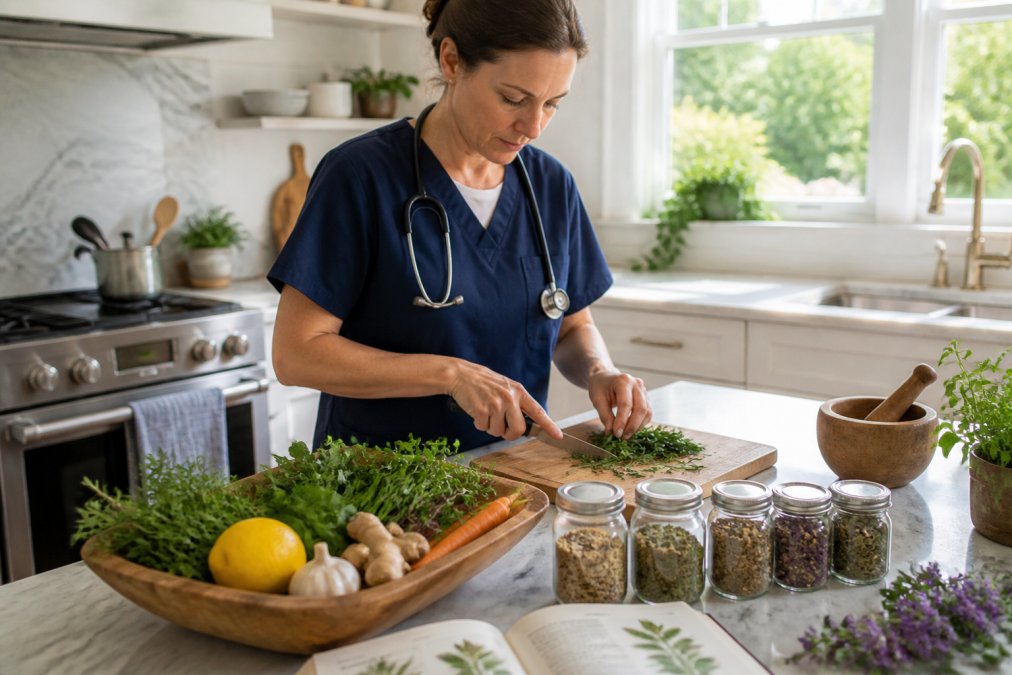
When you work with an RN-led herbalism service, you're receiving clinical guidance informed by pharmacology, patient history, and evidence-based herbalism. This matters especially for patients with complex medication regimens, metabolic conditions, or hormonal sensitivities. An RN can assess whether an herbal intervention will interact with existing treatments or contraindicate based on the patient's specific health status.
The practical advantage for nurses in clinical settings is clear: you gain a trusted resource you can confidently recommend to patients without worrying about liability or safety gaps.
Culinary Medicine Certification for Nurses: Building Clinical Credibility
Formal culinary medicine certification transforms how you counsel patients on food as medicine. Rather than recommending dietary changes intuitively, you can teach the mechanisms: how anti-inflammatory compounds in specific foods reduce joint inflammation, how fiber intake stabilizes blood sugar, how nutrient-dense whole foods address metabolic dysfunction.
Culinary medicine certification programs teach nurses the intersection of nutrition science, food preparation, and patient behavior change. You learn therapeutic diets, nutrient bioavailability, cooking techniques that preserve nutrient content, and how to translate clinical nutrition into practical kitchen skills patients can implement.
Many programs now offer specialized tracks for nurses working in diabetes management, women's health, or chronic disease prevention. These programs typically cover whole food plant-based dietary education, complementary and alternative medicine integration into nursing practice, and behavior change psychology.
The professional credibility gain is real. When you can reference culinary medicine training on your resume, patients and colleagues perceive your dietary recommendations as clinically grounded rather than personal preference.
Evidence-Based Nutrition Patient Education Tools for Clinical Practice
Digital tools designed specifically for nutrition patient education allow you to deliver consistent, evidence-based guidance without building custom materials from scratch. These tools range from interactive apps to printable patient handouts to virtual counseling platforms.
Unlike generic nutrition websites, evidence-based tools designed for clinical use are built on peer-reviewed research, reviewed by registered dietitians, and updated when clinical guidelines shift. They address common patient questions, provide actionable steps, and often include tracking features that reinforce behavior change.
The practical advantage is efficiency. Instead of spending 30 minutes explaining why whole grains matter more than white rice, you can direct patients to professionally designed explanations, answer their specific questions, and focus your time on behavior change support and barrier problem-solving.
Evidence-based tools also reduce liability. When your patient education materials are evidence-based and professionally reviewed, you have documentation that your recommendations align with clinical standards.
Integrating Food as Medicine Into Patient Outcomes
The real test of any botanical kitchen alternative is whether it changes patient outcomes. Food as medicine isn't theoretical, it's a clinical intervention with measurable effects on blood sugar, inflammation, medication burden, and quality of life.
Integrating food as medicine into your nursing practice means treating it with the same rigor you'd apply to medication management. You assess baseline status, establish clear goals, provide education and support, monitor progress, and adjust the approach based on results.
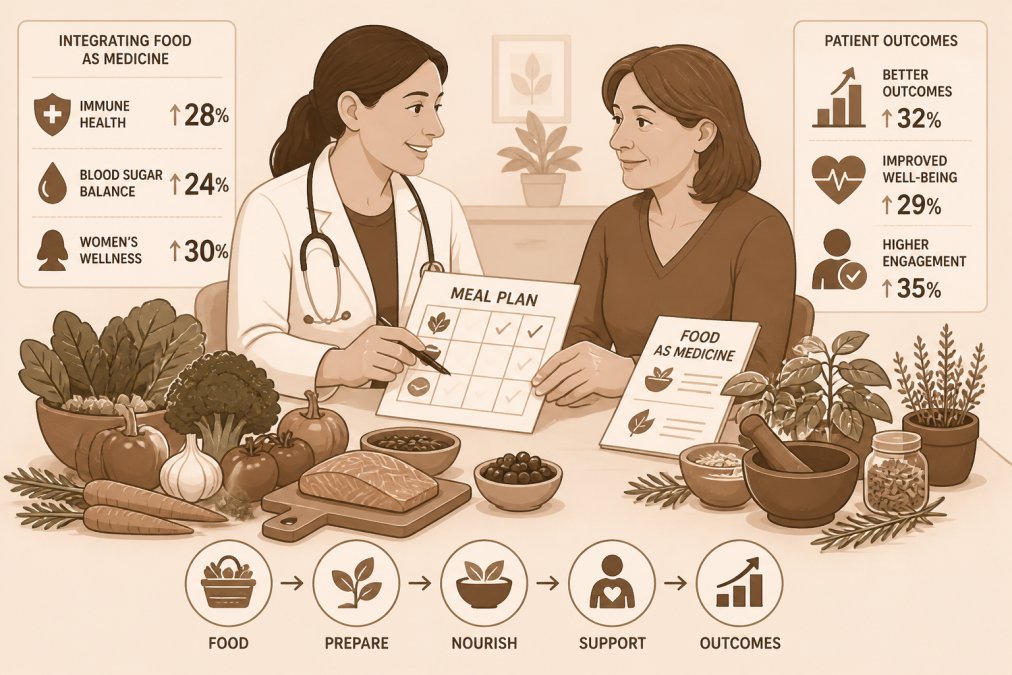
The most effective integration happens when you combine education with experiential learning. Patients learn better by preparing foods, tasting anti-inflammatory meals, and experiencing the practical barriers to dietary change in real time. When patients cook together or taste foods prepared using therapeutic techniques, their commitment to dietary change deepens.
Patient outcomes improve when you combine three elements: clinical assessment, evidence-based education, and behavior change support. Each botanical kitchen alternative addresses these elements differently. Your job is selecting the combination that fits your setting and patient population.
Digital vs. In-Person Culinary Guidance: What Works Best
The pandemic accelerated adoption of digital culinary guidance, but it revealed important differences in effectiveness between virtual and in-person approaches.
Digital culinary guidance excels at scale and accessibility. A video demonstration of proper herb preparation reaches thousands of patients simultaneously. Digital tools work for patients with mobility limitations, those in rural areas without local resources, and those who prefer learning at their own pace.
The limitation is real: digital guidance cannot address the sensory and behavioral dimensions of food preparation. A patient watching a video about cooking with turmeric doesn't experience the flavor, doesn't troubleshoot when their preparation doesn't taste right, and doesn't build the motor skills and confidence that come from hands-on practice.
In-person culinary guidance creates behavior change that digital alone rarely achieves. When a nurse demonstrates how to taste for proper seasoning, when a patient cooks alongside others and sees that the meal is actually doable, those elements shift dietary behavior more durably than any video.
The practical answer for most nursing settings is hybrid: use digital tools for foundational education and reach, then layer in in-person guidance for patients most likely to benefit from hands-on support. Patients with newly diagnosed diabetes, those struggling with medication adherence due to side effects, and those with strong motivation but low confidence are candidates for in-person or group culinary sessions.
Cost-Effective Implementation for Low-Resource Settings
Many healthcare systems lack budgets for teaching kitchens, culinary medicine certification programs, or premium digital platforms. The botanical kitchen alternatives that work in low-resource settings are those that use existing infrastructure and require minimal additional investment.
The most cost-effective approach is RN-led herbalism combined with evidence-based patient education materials. You don't need a teaching kitchen to teach a patient how to prepare anti-inflammatory foods. You need clinical knowledge, access to reliable educational resources, and time for patient counseling.
Low-resource implementation typically follows this pattern: nurses receive brief training in food-as-medicine principles and behavior change psychology. They use free or low-cost evidence-based education materials. They partner with registered dietitians (if available) to review recommendations. They track patient outcomes to demonstrate the value of the approach.
Community partnerships can further reduce costs. Farmers markets, food pantries, community gardens, and cooking programs already exist in many communities. Nurses can connect patients to these resources rather than creating new infrastructure.
Conclusion
Botanical kitchen alternatives exist because nurses recognize that food and botanicals are clinical tools, not just wellness trends. Whether you choose RN-led herbalism like HighFiveHive Nature's Remedies-Kitchen Herbalism, pursue culinary medicine certification, implement evidence-based nutrition tools, or build hybrid approaches combining digital and in-person guidance, the foundation is the same: professional accountability, evidence-based practice, and commitment to patient outcomes.
The key is moving beyond generic platforms toward solutions that fit your clinical context, respect your scope of practice as a nurse, and deliver measurable changes in patient health. HighFiveHive Nature's Remedies-Kitchen Herbalism's 40 years of nursing experience, RN-led approach to natural diabetes support and immune health, and focus on sustainable behavioral change through kitchen herbalism represents one model. The alternatives covered here represent others.
Start with your patient population's greatest needs, build on existing institutional strengths, and measure results. That's how botanical kitchen alternatives move from interesting concepts to standard clinical practice.
Frequently Asked Questions
How is RN-led botanical kitchen guidance different from DIY herbal remedy websites?
RN-led kitchen herbalism combines professional nursing credentials with herbal preparation knowledge, ensuring safety assessments, medication interaction screening, and individualized guidance based on clinical experience. Unlike DIY websites, registered nurses evaluate your complete health history, current medications, and chronic conditions before recommending any herbal remedies. This professional oversight prevents dangerous interactions and ensures recommendations align with your specific health needs and medical treatments.
What qualifications should I look for in culinary medicine certification for nurses?
Look for certifications from accredited nursing organizations that include evidence-based nutrition training, food safety protocols, and clinical application of dietary interventions. Legitimate culinary medicine certification for nurses should cover chronic disease management through dietary change, patient education techniques, and integration of whole food plant-based approaches into nursing practice. Verify credentials through the American Nurses Association or similar professional bodies to ensure the program meets clinical standards.
Can herbal remedies interact with my diabetes or other medications?
Yes, many herbs can interact with diabetes medications and other prescriptions. This is why evidence-based nutrition patient education tools used by nurses include comprehensive medication-herb interaction screening. Before starting any herbal remedy, consult with your healthcare provider or an RN trained in botanical medicine. They can review your specific medications and recommend safe herbal alternatives that complement, not interfere with, your current treatment plan.
What results should I realistically expect from dietary intervention and herbal support?
Results vary based on your condition, adherence, and overall health. For chronic disease management, most people notice improvements in energy, digestion, or inflammation markers within 4-8 weeks of consistent dietary change and herbal support. Blood sugar stabilization, joint comfort, and skin improvement typically develop gradually over 8-12 weeks. Work with your healthcare provider to set realistic timelines and track measurable outcomes like blood sugar readings or inflammation markers rather than expecting dramatic overnight changes.
This article was written using GrandRanker


Leave a comment