
Cinnamon and Oregano Herbal Tea: 7 Health Benefits
Table of Contents
- What Cinnamon and Oregano Herbal Tea Can and Can't Do
- Antioxidants, Inflammation, and Immune Support
- Cinnamon Tea Benefits for Blood Sugar and Heart Health
- Oregano Tea Benefits for Digestion and Respiratory Relief
- Cinnamon and Oregano Tea Recipe: Proportions and Steeping
- Oregano Tea Side Effects, Interactions, and Who Should Avoid It
- Cinnamon Type, Coumarin Exposure, and Realistic Expectations
- Frequently Asked Questions
Last Updated: October 21, 2026
What Cinnamon and Oregano Herbal Tea Can and Can't Do
Cinnamon oregano tea is a warm infusion made by steeping cinnamon bark with dried oregano leaves in hot water. At HighFiveHive Nature's Remedies-Kitchen Herbalism, our nursing background means we tell you plainly what a cup can and cannot do before we hand you a recipe. Understanding the foundational role of these ingredients helps clarify how high quality tea benefits the body through consistent, mindful consumption.
Here is the honest framing: the benefits of cinnamon and oregano herbal tea come from the aromatic qualities of each plant. The evidence that the blend treats disease is thin.

Most guides sell you the fantasy. We would rather you drink this tea because you enjoy it and understand its limits.
Below, we cover seven areas where the research on each herb is worth knowing, plus the recipe, the safety cautions, and the cinnamon type that matters most.
Antioxidants, Inflammation, and Immune Support
Both plants carry aromatic compounds. Cinnamon supplies cinnamaldehyde, the molecule responsible for its scent. Oregano contributes essential oils, including carvacrol and thymol.
What does that mean in practice? A cup of tea can be an enjoyable part of a balanced diet and consistent exercise routine. It does not replace a diet built on vegetables, fruit, and adequate sleep.
The NCCIH overview of herbal supplements makes the key point clearly: traditional use is not the same as proven clinical benefit. We agree, and we still drink the tea.
Cinnamon Tea Benefits for Blood Sugar and Heart Health
Cinnamon tea is often discussed in relation to blood sugar, and this is where the gap between what studies show and what tea delivers is widest. The research most often cited involves cinnamon powder or extracts in capsules, not a brewed cup of bark-and-leaf tea. That distinction matters: steeping extracts water-soluble compounds and some aromatic oils, but it does not deliver the concentrated doses used in most clinical trials.
Here is what the evidence actually looks like, sorted by type:
- Human trials on cinnamon powder or extract: Several small randomized trials have looked at cinnamon's effect on fasting blood sugar and insulin sensitivity in people with type 2 diabetes. Results vary by cinnamon type, dose, and duration, and reviews of the literature describe the picture as suggestive rather than settled. The American Diabetes Association's position is that cinnamon is not a substitute for glucose-lowering medication or monitored care.
For heart health, the interest centers on cholesterol and blood pressure. Cinnamon contains compounds, and oregano adds vitamin K. Again, the human evidence on the brewed blend is thin, and neither herb replaces prescribed medication, statins, or blood pressure treatment.
A practical note on dose and frequency: a reasonable daily habit is one to two cups brewed from about half a teaspoon of ground cinnamon or one stick per eight ounces, and the cinnamon type matters for reasons covered below. There is no established therapeutic dose for this blend, so treat the cup as a pleasant, low-cost addition to a sensible eating pattern rather than a treatment. Our view: it is a supporting player, never the therapy.
Oregano Tea Benefits for Digestion and Respiratory Relief
Oregano tea is often discussed for digestion and respiratory comfort, and the honest version separates traditional use from tested effect. Traditionally, a warm oregano infusion is sipped after meals. The warmth itself can be soothing; the carvacrol and thymol in oregano's essential oil are compounds that have been studied, though the amounts that survive a five-to-seven-minute steep are far below what laboratory studies use.
What the evidence supports, by type:
Synergy Spice: Bay, Cinnamon & Oregano Herbal Tea →
- Digestion: A cup after eating may be soothing, and the warm liquid and aroma can ease the sensation of fullness. Strong concentrations, or drinking several cups on an empty stomach, can do the opposite and cause heartburn or nausea. Oregano is in the Lamiaceae (mint) family, so people sensitive to mint, basil, or sage may react.
- Respiratory comfort: Inhaling the steam from a hot cup offers short-term comfort, and some people find the aroma soothing during a cold. That is comfort, not a cure for infection. Oregano oil is sometimes studied for antimicrobial activity in the laboratory, but drinking tea does not deliver a reliable antimicrobial dose, and tea should never be relied on to treat a bacterial or viral infection.
A practical frame on dose and frequency: one cup after a meal, brewed from about half a teaspoon of dried oregano per eight ounces, is a reasonable culinary-level habit for most adults. Concentrated oregano oil or extracts are a different product with different risks and should be discussed with a clinician, especially if you take blood thinners or have surgery scheduled.
The MedlinePlus herbal medicine resource is a useful starting point for checking any herb against your medication list before you make it a habit.
Cinnamon and Oregano Tea Recipe: Proportions and Steeping
The cinnamon oregano tea recipe is simple, but proportions and steeping time decide whether the cup tastes warm and sweet or harsh and bitter. Our house method uses one cinnamon stick or about half a teaspoon of ground cinnamon, plus half a teaspoon of dried oregano, per eight ounces of water.
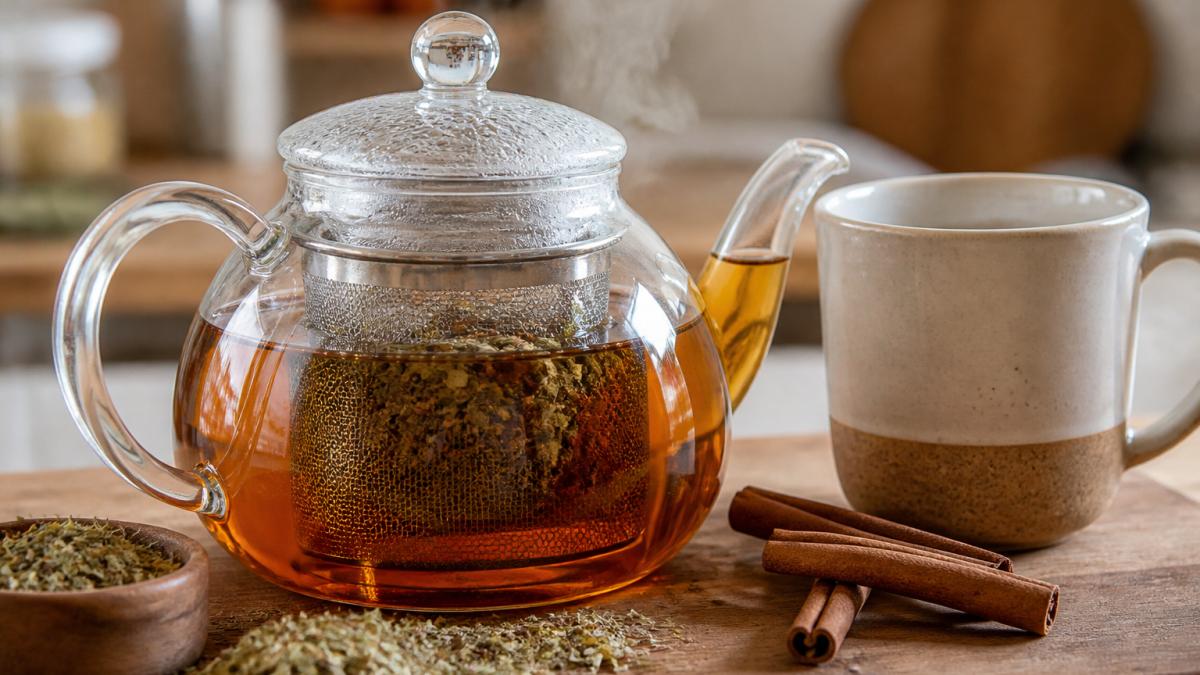
- Bring eight ounces of fresh water to a boil, roughly 200 to 212°F.
- Add your cinnamon and oregano to an infuser or tea ball.
- Pour the hot water over the herbs and cover the mug.
- Steep five to seven minutes. Past ten minutes, oregano turns bitter.
- Strain, then taste before adding honey or lemon.
For a reliable, pre-balanced option, our Synergy Spice: Bay, Cinnamon & Oregano Herbal Tea blends bay leaf, cinnamon, and oregano in one loose-leaf mix at $30.99, with brewing guidance of one to one and a half teaspoons per eight-ounce cup and a five-to-seven-minute steep.
Oregano Tea Side Effects, Interactions, and Who Should Avoid It
Oregano tea side effects are usually mild: stomach upset, heartburn, or a reaction in people sensitive to the mint family.
Oregano in culinary amounts is generally well tolerated. Concentrated extracts are a different matter and can interact with blood thinners and other medications.
- Pregnancy and breastfeeding: Keep to culinary amounts and check with your clinician first.
- Blood thinners: Oregano may interact with blood thinners; ask before regular use.
- Surgery: Stop concentrated herbal use ahead of scheduled procedures.
- Allergies: Oregano sits in the Lamiaceae family alongside basil and mint.
Cinnamon Type, Coumarin Exposure, and Realistic Expectations
Cinnamon type matters more than most articles admit. Cassia cinnamon, the cheap supermarket default, contains coumarin. Ceylon cinnamon, often labeled "true cinnamon," carries far less.
If you drink cinnamon tea daily, choose Ceylon. Rotate your intake rather than drinking multiple strong cups every day.
| Factor | Cassia Cinnamon | Ceylon Cinnamon |
|---|---|---|
| Coumarin level | Higher | Much lower |
| Cost | Lower | Higher |
| Flavor | Stronger, sharper | Delicate, sweeter |
| Best for daily tea | Occasional use | Regular use |
What should you realistically expect? A pleasant daily ritual. Not dramatic results, and not a substitute for medical care.
Managing blood sugar or stubborn joint discomfort takes more than a single habit, and that is exactly why we built our approach around professional guidance rather than guesswork. HighFiveHive Nature's Remedies-Kitchen Herbalism pairs RN-led kitchen herbalism and 40 years of nursing experience with targeted support for natural diabetes management and immune health, so you are never steeping blind. Get started with HighFiveHive Nature's Remedies-Kitchen Herbalism and make every cup part of a plan.
Frequently Asked Questions
Is it better to drink cinnamon and oregano tea at night or in the morning?
Either works, but the timing changes what you get from it. Morning is the more common choice because cinnamon tea benefits are often tied to blood sugar after meals, and a cup before breakfast fits that routine. Evening drinkers tend to use it for winding down rather than glucose support. The blend is naturally caffeine-free, so a cup at night will not keep you awake. If you take diabetes medication, test your blood sugar at the same times each day so you can see how the tea fits your pattern.
Can cinnamon and oregano tea help with blood sugar?
Cinnamon has been studied in relation to blood sugar, but results vary and no herbal tea replaces prescribed diabetes care. There is no clinical evidence on the specific cinnamon-and-oregano combination. Treat the tea as a supporting habit alongside medication, food choices, and activity, not a treatment. Check with your doctor before adding it if you use insulin or sulfonylureas.
Are there any side effects of drinking oregano and cinnamon tea?
Oregano tea side effects are usually mild: digestive upset, heartburn, or mouth irritation in sensitive people. Oregano may interact with blood thinners, so stop drinking it at least two weeks before scheduled surgery and avoid it if you take warfarin or other blood thinners without medical clearance. Use Ceylon cinnamon rather than Cassia if you drink the tea daily, and keep intake moderate. Anyone pregnant, breastfeeding, or managing a chronic condition should confirm with their clinician first.
How do you make cinnamon and oregano herbal tea?
Bring 8 ounces of filtered water to about 200-212°F, then pour it over 1 to 1.5 teaspoons of loose blend in an infuser. Cover and steep 5 to 7 minutes; going past 10 minutes pulls more bitterness from the oregano. Remove the leaves and drink hot, with honey or lemon if you like. A ready-made blend such as Synergy Spice ($30.99) combines bay leaf, cinnamon, and oregano in tested proportions, which removes the guesswork of balancing three strong herbs yourself.


Leave a comment