
Herbal Remedies for Anxiety and Stress Relief: 7 Options
Table of Contents
- How Herbal Remedies for Anxiety and Stress Relief Work
- Herbal Supplements for Stress and Anxiety: What to Look For
- Safety of Herbal Remedies for Stress: Interactions and Side Effects
- How to Manage Anxiety Naturally with Daily Habits
- Matching Herbs to Your Specific Symptoms
- Choosing Quality Herbal Products: Teas, Tinctures, and More
- Frequently Asked Questions
Last Updated: September 30, 2026
How Herbal Remedies for Anxiety and Stress Relief Work
Herbal remedies for anxiety and stress relief work by interacting with the body's nervous system and stress response pathways, often through compounds that influence calming neurotransmitters and cortisol levels. At HighFiveHive Nature's Remedies-Kitchen Herbalism, our RN-led approach treats these botanicals as supportive tools within a broader wellness protocol, not as standalone cures.
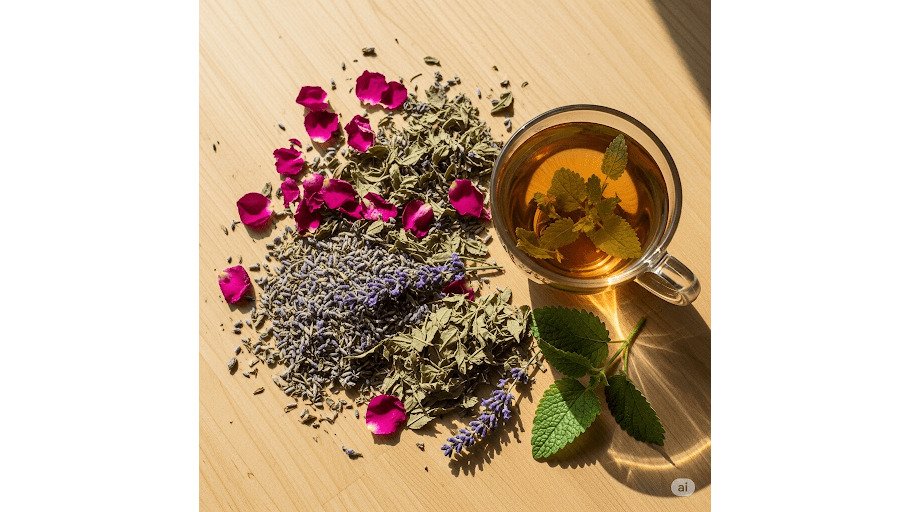
The Role of Adaptogens and Nervines
Adaptogens are botanicals that help the body resist and recover from stress by supporting stress resilience across multiple body systems. Nervines are plants that act more directly on the nervous system, often producing a gentle sedative effect or calming support.

Herbal Supplements for Stress and Anxiety: What to Look For
The label matters more than the marketing. A bottle that says "chamomile" tells you almost nothing about what's inside, how much of it there is, or whether it will do anything.
- Standardized extract: This means the maker has verified the level of active compounds, so each dose is consistent. Unstandardized products vary wildly batch to batch.
- Full botanical name: "Lemon balm" is vague. Melissa officinalis tells you the exact species.
- Extraction method: Alcohol and water extracts (tinctures) pull different compounds than teas. Neither is automatically better; they suit different uses.
- Third-party testing: Independent lab testing confirms the product contains what the label claims and nothing harmful.
- Clear dosage guidance: A reputable maker tells you how much to take and how often.
Safety of Herbal Remedies for Stress: Interactions and Side Effects
The safety of herbal remedies for stress depends almost entirely on what else you're taking and how your body responds. "Natural" does not mean "harmless," and the most popular calming botanicals are also the ones most likely to collide with prescription medication.

The Herb-by-Herb Interaction Picture
Most guides warn that "herbs can interact with medications" and stop there. That warning is useless without specifics. Here is what actually matters for the herbs people reach for most:
| Herb | Interacts With | What Happens |
|---|---|---|
| St. John's Wort | SSRIs, MAOIs, triptans, warfarin, oral contraceptives, immunosuppressants, some HIV medications | Speeds up liver enzymes (CYP3A4 and others), lowering drug levels, antidepressants can stop working, birth control can fail, transplant drugs can drop below therapeutic range |
| Valerian root | Benzodiazepines, sleep aids, alcohol, some antidepressants | Additive sedation; can compound drowsiness and slow reaction time |
| Passionflower | Sedatives, MAOIs, blood thinners | Additive sedation; possible increased bleeding risk with anticoagulants |
| Chamomile | Warfarin, other blood thinners | Contains coumarin compounds; may increase bleeding risk at high or concentrated doses |
| Lemon balm | Thyroid medications, sedatives | May interfere with thyroid hormone absorption; additive drowsiness |
| Lavender (oral) | Sedatives, blood pressure medications | Additive sedation; possible blood pressure lowering |
| Kava | Benzodiazepines, alcohol, acetaminophen, liver-metabolized drugs | Rare but serious liver injury risk; strong additive sedation |
Side Effects to Watch For
- Sedative effects: Nervine herbs can compound the drowsiness from anti-anxiety medications, sleep aids, or alcohol. Don't operate heavy machinery if you feel drowsy.
- Photosensitivity: St. John's Wort can make your skin more sensitive to sunlight, raising sunburn risk.
- Blood sugar and blood pressure: Some botanicals can shift these readings, which matters if you're managing diabetes or hypertension.
- Digestive upset: Chamomile, valerian, and kava can cause nausea or stomach discomfort in some people, especially on an empty stomach.
- Liver stress: Kava and, rarely, higher-dose valerian have been linked to liver concerns. Avoid combining them with alcohol or acetaminophen.
- Pregnancy and nursing: Many herbs aren't well studied in pregnancy. Check with your healthcare provider before using any.
Timing and Stopping Rules
Two practical rules cut most risk. First, don't start a new herb in the same week you start or change a prescription, if something goes wrong, you won't know which change caused it. Second, if you're scheduled for surgery, stop most herbal supplements at least two weeks ahead; valerian, kava, ginkgo, and St. John's Wort all affect bleeding or anesthesia.

NIH Office of Dietary Supplements, herbal supplement fact sheets
How to Manage Anxiety Naturally with Daily Habits
Learning how to manage anxiety naturally means building a routine, not chasing a single remedy. Herbs work best as one layer of a holistic approach that includes sleep, movement, and stress reduction.
A practical daily structure looks like this:
- Morning: A grounding ritual. Tulsi or rose tea, a few minutes of quiet, and consistent wake time.
- Midday: Movement. Even a short walk lowers physiological stress markers and supports emotional balance.
- Evening: A wind-down that starts 30-60 minutes before bed. This is where nervine teas and tinctures fit best.
- Consistency: Take your chosen botanical at the same time each day. Herbal support builds over days and weeks, not minutes.
Matching Herbs to Your Specific Symptoms
Different anxiety symptoms respond to different botanicals. Matching the herb to your actual pattern beats taking a generic "stress blend" and hoping. Most guides sort herbs alphabetically or by popularity; sorting them by the kind of anxiety you feel is the angle that actually helps you choose.
Three Anxiety Patterns and What Fits Each
Pattern 1, Generalized worry and racing thoughts. This is the mind that won't shut off, especially at night. Nervines with gentle sedative action fit best here.
-
Passionflower (Passiflora incarnata): Traditionally used for restlessness and circular thinking. Common preparation is a tea of 1-2 teaspoons dried herb per cup, or a tincture of 1-2 mL up to three times daily. Onset is gradual, expect 30-60 minutes.
-
Chamomile (Matricaria chamomilla): Mild calming support, well suited to nightly ritual. A standard tea is 1 tablespoon dried flowers steeped 5-10 minutes.
-
Lemon balm (Melissa officinalis): Calming without heavy sedation, which makes it usable during the day. Often paired with chamomile.
-
Lavender (Lavandula angustifolia): Aromatic and oral preparations both used. Inhaled lavender works within minutes through scent pathways, the fastest option on this list.
-
Valerian root (Valeriana officinalis): Stronger sedative effect, best reserved for evening. Typical tincture dose is 1-3 mL before bed. Some people find it stimulating rather than sedating, test it on a night you don't have to drive the next morning.
-
Kava (Piper methysticum): Traditional for acute physical tension. Carries liver-risk cautions, see the safety section above before using.
-
Tulsi / holy basil (Ocimum tenuiflorum): Adaptogen traditionally used for stress resilience and mental clarity. Works best taken daily for several weeks, not as a one-off.
-
Rose (Rosa spp.): Traditional uplifting support, often blended with tulsi for daytime blends.
-
Ashwagandha (Withania somnifera): One of the more studied adaptogens for stress. Typical standardized doses run 300-600 mg daily; effects build over 4-8 weeks. Avoid with thyroid medication without checking first.
Matching Table
| Your Main Symptom | Herb Match | Mechanism / Why It Fits | Typical Format |
|---|---|---|---|
| Racing thoughts at night | Passionflower, chamomile | Nervine; gentle sedative action on the nervous system | Tea or tincture |
| Daytime tension, irritability | Lemon balm, tulsi | Calming without heavy sedation; adaptogen support over weeks | Tea or tincture |
| Restlessness, trouble settling | Lavender, valerian root | Aromatic calm; stronger sedative effect | Inhalation or evening tincture |
| Physical panic symptoms | Lavender (inhaled), kava | Fast-onset sensory or acute tension support | Inhalation; kava with caution |
| Hormonal mood swings | Black cohosh, red clover | Traditional women's wellness support | Capsule or tea |
| Low mood with stress | St. John's Wort | Traditional mood support, check interactions first | Standardized capsule |
The Rule That Beats the Table
Match the onset of the herb to the timing of your symptom. Fast-onset formats (inhalation, tincture) suit acute moments. Slow-build botanicals (adaptogens) suit patterns that repeat daily. Using a slow herb for a panic moment, or a sedating herb for daytime work, is the most common mismatch, and it's why people conclude "herbs don't work for me" when they've simply paired the wrong plant with the wrong moment.
Choosing Quality Herbal Products: Teas, Tinctures, and More
Preparation format changes how much of a botanical your body actually absorbs. This is the bioavailability question, and it's the angle most guides skip entirely.
| Format | Onset | Best For | Practical Notes |
|---|---|---|---|
| Tea | 20-40 min | Evening ritual, gentle daily use | Lower dose, soothing ritual |
| Tincture | 10-30 min | Precise dosing, daytime use | Alcohol-based, fast absorption |
| Capsule | 30-60 min | Standardized extract, convenience | No ritual, easy to over-rely on |
| Bath/aromatic | Immediate (sensory) | Muscle tension, wind-down | Works through scent and warmth |
Frequently Asked Questions
Which herbal supplements are most effective for anxiety?
Research points to several herbs with the strongest evidence: chamomile, lemon balm, lavender, passionflower, and ashwagandha. A 2016 review in Phytotherapy Research found chamomile extract reduced generalized anxiety disorder symptoms in clinical trials. Passionflower and lemon balm show anxiolytic effects in smaller studies. Results vary by person, dose, and preparation. Teas work gently for daily calming support, while tinctures offer more concentrated therapeutic doses. Always check with your doctor before starting any herbal supplement for stress and anxiety.
Are herbal remedies for stress regulated by the FDA?
No. In the United States, the FDA regulates herbal supplements as dietary supplements under the Dietary Supplement Health and Education Act (DSHEA) of 1994. Unlike prescription drugs, herbal products do not need FDA approval before being sold. The FDA can act after a product reaches the market if it proves unsafe. This means quality varies widely. Look for third-party testing seals, standardized extracts, and products from companies that share lab results. An RN-led herbalist can help you identify trustworthy sources.
Can herbal remedies interact with prescription anxiety medication?
Yes, and some interactions are serious. St. John's Wort is the most well-known example; it speeds up how your liver breaks down many drugs, including SSRIs, birth control pills, blood thinners, and HIV medications. Combining it with antidepressants can cause serotonin syndrome. Valerian and kava may amplify the sedative effects of benzodiazepines or sleep aids. Passionflower and lemon balm can also increase drowsiness when combined with sedatives. Always tell your doctor and pharmacist about every herb you take, and never stop a prescription without medical guidance.
How long before I notice a difference from herbal remedies for anxiety?
It depends on the herb and the preparation. Chamomile tea may calm you within 30 to 60 minutes of drinking a cup, but its effects are mild and short-lived. Tinctures of passionflower or lemon balm often work within an hour for acute stress. Adaptogens like ashwagandha build up in your system and may take 4 to 8 weeks of daily use before you notice changes in stress resilience. Keep a simple log of what you take, when, and how you feel. Bring it to your next doctor visit to track patterns.
What is the safest way to try herbal remedies for the first time?
Start with one herb at a time, not a blend, so you can tell what helps and what causes side effects. Begin with a low dose, such as a single cup of tea or half the suggested tincture amount, and wait 24 hours to see how your body responds. Avoid alcohol and sedatives during your first trial. Tell your doctor and pharmacist before you start, especially if you take any prescription medication. If you are pregnant, nursing, or have a medical condition, talk to your healthcare provider first.


Leave a comment