
How to Choose the Best Herbal Tea Blends for Skin Vitality
Last Updated: November 22, 2026
Quick Summary
The best herbal tea blends for skin vitality are caffeine-free blends with a short ingredient list, a flavor you will drink consistently, and antioxidant-rich botanicals like hibiscus, rosehips or nettle. A cup of herbal tea supports overall wellness but is not a skin treatment, so sleep, diet and sun protection still matter most.
- Name one primary goal before choosing, such as hydration, antioxidants or an evening ritual.
- Pick a blend with one dominant flavor, one supporting herb and one accent to keep taste clear.
- Choose caffeine-free blends built on chamomile, lemon balm, hibiscus or rosehips if you are caffeine-sensitive.
- Check the ingredient list for medication interactions, pregnancy concerns and allergies before buying.
- Run a four-week trial with one blend and change only one variable at a time to judge fairly.
Table of Contents
- What Skin Vitality Realistically Means in a Tea Cup
- How to Choose an Herbal Tea Blend by Skin Type and Concern
- Herbal Tea Ingredients for Skin and What Each One Contributes
- The Best Tea for Glowing Skin: Comparing Our Blends
- How to Make Your Own Herbal Tea Blend at Home
- Herbal Tea Safety, Interactions, and Who Should Avoid Certain Herbs
- Setting Up a Four-Week Trial to Judge Your Blend
- Frequently Asked Questions
What Skin Vitality Realistically Means in a Tea Cup
Choosing the best herbal tea blends for skin vitality starts with a realistic expectation: a cup of these herbal tea blends supports overall wellness, but it is not a skin treatment.
Many herbal infusions are caffeine-free, and a daily warm-drink ritual fits easily into a busy day.
The main limitation is evidence. Laboratory studies of herbal teas measure antioxidant activity in the teas themselves, which is not proof that drinking them improves skin in people.
How to Choose an Herbal Tea Blend by Skin Type and Concern
Most guides list individual teas and leave you to guess which fits. A better approach is a short decision framework: name your primary goal, set flavor and caffeine boundaries, check ingredient compatibility, then choose the simplest blend that clears all three filters.
Step 1: Name one primary goal
Pick a single goal: supporting hydration, adding antioxidant-rich botanicals, creating a calming evening ritual, or replacing afternoon coffee with a caffeine-free option.
Step 2: Set your flavor boundaries
Flavor determines whether you will drink the tea consistently, and consistency is the only way to judge a blend. Use these rough categories to narrow the field:
- Floral and mild: chamomile, lavender, lemon balm, rose. Best for evening cups and people who dislike strong flavors.
- Tart and fruity: hibiscus, rosehips, elderberry, orange peel. Best for iced tea and people who want a bold, juicy cup.
- Warming and spicy: ginger, cinnamon, star anise, fenugreek. Best for cool-weather routines, but the spices can overwhelm delicate herbs.
Combine one dominant flavor with one supporting herb and one accent. Blends with five or six strong flavors taste muddy and make it hard to identify which ingredient disagrees with you.
Step 3: Decide on caffeine
True teas (black, green, white, oolong) contain caffeine; most herbal infusions do not. If you are caffeine-sensitive or drink tea in the evening, favor blends built on chamomile, lemon balm, lavender, hibiscus, rosehips, nettle, or peppermint. Check labels, because some blends mix true tea leaves with herbs.
Step 4: Check ingredient compatibility
Before you buy, scan the ingredient list for anything that conflicts with your health situation:
- Medication interactions: licorice root, black cohosh, and some other herbs can interact with prescription drugs. If you take medication for blood pressure, blood sugar, blood thinning, or hormone therapy, review the blend with your pharmacist or prescriber.
- Pregnancy and breastfeeding: many herbs lack safety data in these situations. Ask a qualified healthcare professional before drinking any herbal blend regularly.
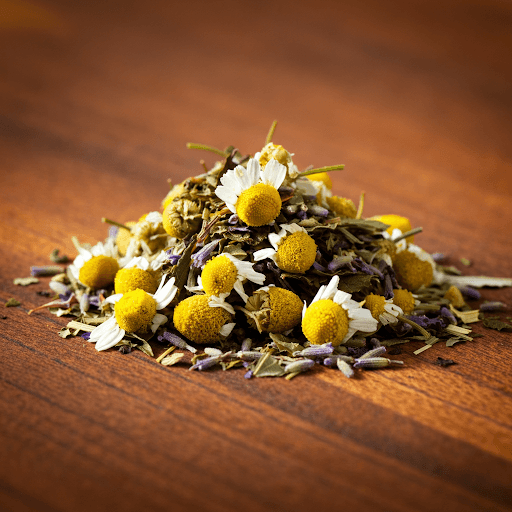
- Allergies: people allergic to plants in the daisy family may react to chamomile, echinacea, or related herbs.
Step 5: Match the blend to your concern
Use this comparison to translate a goal into candidate ingredients. These are traditional and general-wellness associations, not treatment claims.
| Concern | Ingredients commonly chosen | What to look for on the label | What to avoid |
|---|---|---|---|
| Dryness or dullness | Hibiscus, rosehips, nettle, rose | High proportion of antioxidant-rich botanicals; no added sugar | Blends dominated by flavorings with little actual herb |
| Redness or sensitivity | Chamomile, lavender, lemon balm | Short ingredient list; gentle florals | Strong spices, added citric acid if you are sensitive |
| Blemish-prone skin | Peppermint, tulsi, nettle | Caffeine-free if you are sensitive; simple formulas | Heavy sweeteners or creamy flavorings |
| Stress-related complexion changes | Lemon balm, lavender, chamomile | Evening-friendly, caffeine-free | True tea leaves if you are caffeine-sensitive |
| General wellness | A balanced blend you enjoy | Ingredients you recognize; clear sourcing | Long lists of extracts and “natural flavors” |
Step 6: Choose the simplest blend that fits
Once filtered by goal, flavor, caffeine, and compatibility, choose the blend with the shortest ingredient list that still meets your criteria. Simple blends are easier to evaluate, repeat, and troubleshoot.
Watch out: a blend marketed for “glowing skin” may be mostly flavoring and sweetener with little of the herb you wanted. Read the ingredient order, not just the front label.
Herbal Tea Ingredients for Skin and What Each One Contributes
Each herb brings a different mix of flavor, traditional use, and preliminary research. The tables below group common ingredients by main contribution. Treat this as a map for reading labels, not a list of proven skin treatments.
Antioxidant-rich botanicals
Antioxidants are compounds that help neutralize free radicals, unstable molecules linked to oxidative stress (Free Radicals, Antioxidants in Disease and Health). Polyphenols are one major group of plant antioxidants.
| Ingredient | Flavor profile | Traditional or preliminary use | Practical notes |
|---|---|---|---|
| Hibiscus | Tart, cranberry-like | General wellness; antioxidant content | Best steeped 5-7 minutes; can be served iced |
| Rosehips | Fruity, slightly tart | Vitamin C content; general wellness | Often paired with hibiscus; avoid if you are sensitive to tart flavors |
| Nettle | Earthy, green | Traditional spring tonic | Mild flavor; blends well with peppermint |
| Rose | Floral, delicate | Calming ritual; flavor | Use sparingly; strong rose can overpower a blend |
| Elderberry | Deep, fruity | General wellness | Often combined with ginger or cinnamon |
A 2025 laboratory study reported that infusions made from Melissa officinalis, Cistus incanus, and Camellia sinensis showed the highest antioxidant properties among the samples tested, a lab finding about the teas themselves, not evidence that drinking them changes skin appearance (pubmed.ncbi.nlm.nih.gov).
Soothing and calming herbs
Chamomile, lavender, lemon balm, and tulsi (holy basil) are traditionally valued for their calming aroma and mild flavor. Chamomile is especially common in evening blends. These herbs suit people who want a gentle, relaxing cup and who are reducing stress-related habits that can affect how skin looks. Choosing among calming herbs by aroma, flavor, and the kind of cup you enjoy can also sharpen your approach to specialty tea blends guide.
| Ingredient | Flavor profile | Traditional or preliminary use | Practical notes |
|---|---|---|---|
| Chamomile | Mild, apple-like | Calming; evening ritual | Daisy-family allergy caution |
| Lavender | Floral, strong | Calming aroma | Use small amounts; can taste soapy if overused |
| Lemon balm | Light lemon, herbal | Calming; evening ritual | Pairs well with chamomile and rose |
| Tulsi | Peppery, clove-like | General wellness; stress ritual | Distinct flavor; start with a small proportion |
| Peppermint | Cool, strong | Digestive comfort; flavor | Can overpower delicate florals |
Warming and spice ingredients
Ginger, cinnamon, star anise, and fenugreek add warmth and aroma but work best as accents, since their flavors dominate. Ginger can be strong for sensitive stomachs, and fenugreek has a distinct maple-like taste some dislike.
How much to use and how to steep
A practical starting point is 1 to 2 teaspoons of dried herbal blend per 8 ounces of water just off the boil. Steep according to the brewing instructions on your blend's label. If you are new to an herb, start with one cup per day and observe how you feel.
What the evidence realistically supports
Most claims about herbal tea and skin vitality rest on weaker forms of evidence, such as traditional use and laboratory assays. Human trials measuring skin outcomes from drinking herbal tea are limited, so the expectation is a pleasant ritual rather than a proven path to clearer or younger-looking skin.
Watch out: “antioxidant-rich” on a label tells you about the ingredient, not your skin. Judge a blend by its ingredient list, its proportion of whole herbs, and whether you will actually drink it consistently.
The Best Tea for Glowing Skin: Comparing Our Blends
Our own blends are compared below. Prices are the listed prices in USD.
| Blend | Starting Price | Main Botanicals | Best For | Pros | Cons |
|---|---|---|---|---|---|
| Natures Serene Moments Chamomile Lemon Balm & Lavender Tea | $17.99 | Chamomile, lemon balm, lavender | Evening calm routines | Gentle, traditional flavors | Not focused on antioxidants |
| Sanctuary Garden: Rose, Tulsi, Lavender & Lemon Balm Tea | $12.00 | Rose, tulsi, lavender, lemon balm | Quiet daily ritual | Lowest price of our blends; floral aroma | Floral notes may not suit everyone |
| Ruby Glow Nettle Hibiscus & Spice Herbal Tea | $30.99 | Nettle, hibiscus, fenugreek, cinnamon | Antioxidant-focused daily cup | Bright, tart flavor | Highest price; fenugreek has a distinct taste |
| Ruby Ember Warming Hibiscus & Spiced Citrus Tea | $29.99 | Organic rosehips, hibiscus, cinnamon, orange peel, star anise | Warming, fruity cup | Organic ingredients; served hot or iced | Spice-forward profile |
| Ruby Ginger Revive Black Elderberry & Ginger Tea | $16.50 | Black elderberry, ginger | Warming, invigorating cup | Clear, spicy character | Ginger can be strong for sensitive stomachs |
| Serene Transitions Rejuvenating Tea | $15.00 | Sage, black cohosh, red clover, lemon balm, peppermint | Evening self-care ritual | Five-herb blend | Contains black cohosh, so review the safety section first |
Starting Price
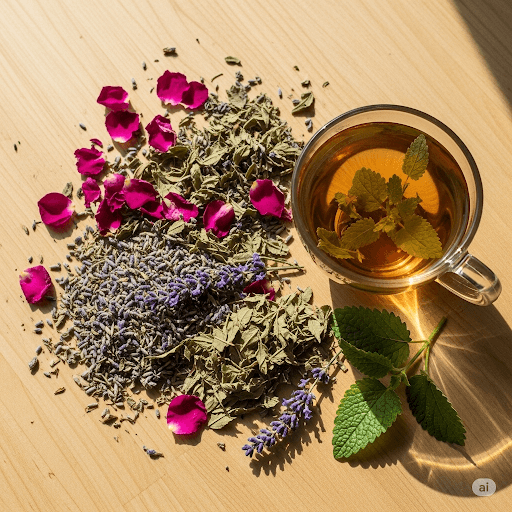
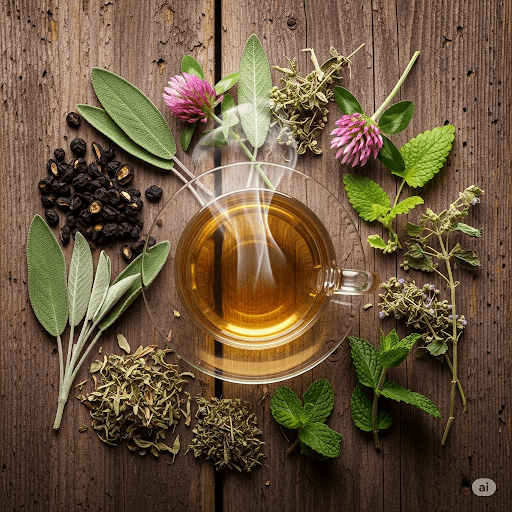
Choose Sanctuary Garden or Natures Serene Moments for a calming evening cup. Choose a Ruby blend for a bolder, tart or spiced flavor.
Best for: people who want a calming evening ritual and a traditional, easy-to-taste blend. Skip if: you want a bold, tart flavor.
Note that the product labels state that these claims have not been evaluated by the Food and Drug Administration and that the products are not intended to diagnose, treat, cure or prevent any disease (the FDA).
How to Make Your Own Herbal Tea Blend at Home
Building your own blend lets you control flavor and proportions. Start by combining one hydrating or antioxidant-rich herb with one calming herb and one flavoring ingredient.
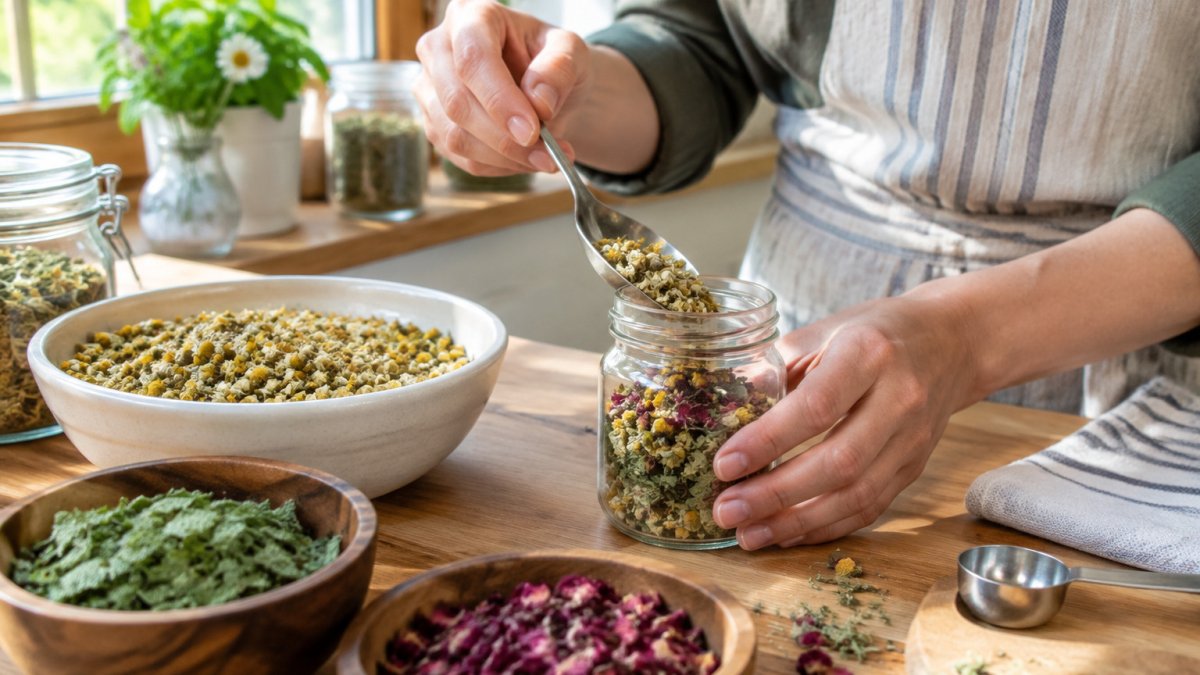
Follow these steps:
- Pick a base herb. Choose one herb with a flavor you enjoy, such as hibiscus for tartness or chamomile for mildness.
- Add a calming herb. Lavender, lemon balm or tulsi work well in small amounts.
- Add a flavor accent. Cinnamon, ginger or orange peel can round out the blend.
- Measure and mix. Start with equal parts of two herbs and a smaller portion of the accent, then adjust over several batches.
- Steep correctly. Use about 1 to 2 teaspoons of blend per 8 ounces of water just off the boil, around 200°F, and steep for 5 to 7 minutes.
- Label and date your jar. Note the proportions so you can repeat a blend you like.
A common mistake is adding too many ingredients. Five or six herbs can muddy the flavor and make it hard to tell which botanical you are tasting or whether a combination causes irritation. Keep blends simple until you know how your body responds.
Herbal Tea Safety, Interactions, and Who Should Avoid Certain Herbs
Herbal does not mean risk-free. Some herbs can interact with medications, and some are not recommended for certain people.
- Pregnancy and breastfeeding: Many herbs lack safety data here. Ask a qualified healthcare professional before drinking herbal tea regularly.
- Prescription medications: Herbs can affect how some drugs work. Find out whether your tea may interact with prescription medication in a guide to herbal tea safety and drug interactions. If you take medication for blood sugar, blood pressure, blood thinning or hormone therapy, check with your prescriber or pharmacist first.
- Allergies: People allergic to daisy-family plants may react to chamomile, and those with sensitivities may react to other botanicals.
This article is general information, not individual medical advice. Talk with a qualified professional about your specific health history before relying on any herbal product.
Setting Up a Four-Week Trial to Judge Your Blend
A structured trial can help you judge a blend fairly.
- Week 1: Drink one to two cups daily of the same blend, and record your sleep, hydration and skin observations in a simple journal.
- Week 2: Keep the same routine and note any irritation or digestive changes.
- Week 3: Continue unchanged. Compare your notes with week one.
Change one variable at a time. If you also start a new skincare product, results will be hard to attribute to the tea. Four weeks is a reasonable window for noticing a pattern, but it does not guarantee any specific outcome.
Ready to find a blend that fits your routine? Explore the HighFiveHive Nature's Remedies-Kitchen Herbalism tea collection and start with a calming, easy-to-brew option.
Frequently Asked Questions
What is the best herbal tea for skin?
No single herb suits every skin type, so the best choice depends on what you want to address. Laboratory studies measure antioxidant activity in teas, but those findings do not show skin results, so treat them as a reason to explore these herbs rather than as proof of skin benefit. For a daily cup, pick a blend whose ingredients you tolerate well and that you will drink consistently.
Can herbal tea improve skin health?
Herbal tea can be part of a healthy routine, but it is not a treatment for skin conditions. Realistic expectations matter: changes in skin tone or texture take weeks, and many factors such as sleep, sun exposure, and diet have a larger effect. If you have a persistent skin concern, a dermatologist or qualified healthcare professional can give individual guidance.
What should I look for when choosing a tea blend for skin?
Start with the ingredient list and confirm each herb is named clearly, with no vague terms like 'natural extracts.' Look for a short list of botanicals you already know you tolerate, and check the label for caffeine if you want a caffeine-free cup. Choose blends from sellers who list ingredients and brewing instructions openly. Also confirm the product lists its ingredients plainly, since this helps you spot allergens and interactions before you buy.
Can herbal teas interact with medications or cause side effects?
Yes, some herbs can interact with prescription medications, affect blood sugar or blood pressure, or cause allergic reactions. Pregnant or nursing people, and anyone taking medication or managing a medical condition, should speak with a healthcare professional before adding a new herbal tea. Stop using a blend and seek medical care if you notice rash, swelling, breathing difficulty, or other unusual symptoms.


Leave a comment