
Herbal Remedies for Chronic Joint Pain: A Guide
Table of Contents
- Understanding Chronic Joint Pain and Herbal Support
- How Anti-Inflammatory Herbs Work for Joint Discomfort
- Top Herbal Remedies for Chronic Joint Pain
- How to Choose High-Quality Herbal Supplements
- Safety of Herbal Supplements for Arthritis
- Dosage, Administration, and When to Consult a Healthcare Provider
- Lifestyle Changes to Support Joint Health Alongside Herbal Remedies
- Conclusion
Last Updated: August 16, 2026
Understanding Chronic Joint Pain and Herbal Support
Chronic joint pain affects millions of adults, limiting mobility and reducing quality of life. Many people turn to herbal remedies as a natural complement to their existing treatment plans, seeking relief without relying solely on pharmaceutical interventions.
At HighFiveHive Nature's Remedies-Kitchen Herbalism, we understand the frustration that comes with ongoing joint discomfort. With 40 years of nursing experience, our approach combines professional healthcare knowledge with kitchen herbalism, helping you explore evidence-based natural options that support joint function and reduce inflammation.
Herbal remedies work through multiple mechanisms. Some herbs contain compounds that reduce systemic inflammation, while others support connective tissue health or improve joint mobility. The key difference between random internet recipes and professional guidance is understanding which herbs match your specific situation, how to source quality supplements, and whether they'll interact safely with your current medications.
This guide walks you through the most researched herbal options, explains how to evaluate supplement quality, addresses safety concerns directly, and shows you how to integrate these approaches alongside lifestyle changes.
How Anti-Inflammatory Herbs Work for Joint Discomfort
Anti-inflammatory herbs reduce joint swelling and discomfort by targeting the inflammatory cascade in your body. When joints become inflamed, cytokines (chemical messengers) trigger pain and stiffness. Certain herbal compounds interrupt this process, offering relief that can feel meaningful within weeks of consistent use.
Rather than simply blocking pain signals, anti-inflammatory herbs address the underlying inflammation, the root cause of many chronic joint conditions. This approach supports long-term joint comfort instead of temporary symptom masking.
Bioavailability matters significantly. A compound can be present in an herb but poorly absorbed by your body. Standardized extracts, supplements processed to contain consistent levels of active compounds, tend to deliver better results than whole-plant powders.
Top Herbal Remedies for Chronic Joint Pain
The following five herbs have the most research supporting their use for joint discomfort and musculoskeletal health.
Turmeric and Curcumin
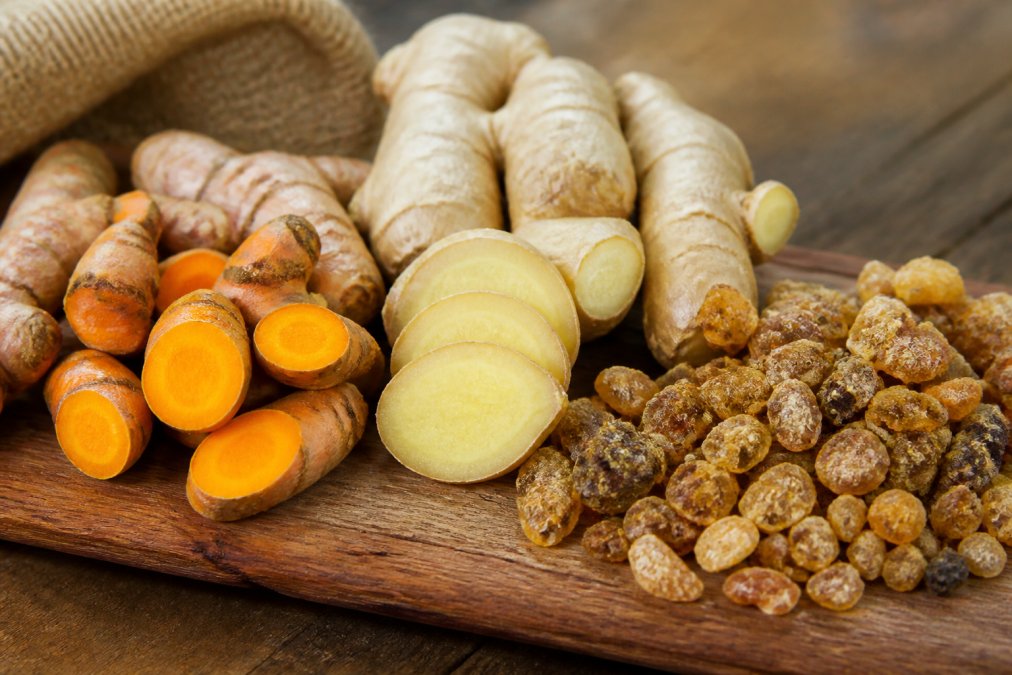
Turmeric contains curcumin, the compound responsible for most of the herb's anti-inflammatory effects. The challenge with turmeric is absorption. Curcumin has poor bioavailability on its own. Standardized curcumin extracts combined with black pepper (which contains piperine) work better than adding turmeric powder to food. Piperine increases curcumin absorption by roughly 2000%.
A common approach is taking standardized curcumin supplements (typically 500-1000mg per dose) two to three times daily.
Boswellia Serrata
Boswellia serrata is a resin from the Indian frankincense tree. The active compounds, called boswellic acids, reduce inflammatory markers and support joint cartilage health. Research shows people using standardized boswellia extracts often report improved joint mobility and reduced morning stiffness within 4-8 weeks.
Standardized boswellia extracts typically contain 65% boswellic acids. The therapeutic dose is usually 300-500mg taken two to three times daily. Quality matters, cheaper products may contain minimal active compounds.
Ginger Root
Ginger contains gingerols and shogaols, compounds with anti-inflammatory and analgesic properties. For joint discomfort, dried ginger extract tends to work better than fresh ginger tea. The therapeutic dose is typically 1-2 grams of dried ginger daily. Some people notice improvement in joint stiffness within one to two weeks.
Ginger is generally well-tolerated and pairs well with turmeric for complementary anti-inflammatory effects.
Willow Bark
Willow bark contains salicin, a compound your body converts to salicylic acid. This mechanism is similar to aspirin, which was originally derived from willow bark. The therapeutic dose is typically 120-240mg of standardized salicin daily. Some people notice relief within days, while others need 2-3 weeks of consistent use.
Do not combine willow bark with aspirin or other blood thinners without consulting your healthcare provider.
Devil's Claw
Devil's claw root contains iridoid glycosides that reduce inflammatory markers and support joint comfort. The therapeutic dose is typically 500-1500mg daily of standardized extract (standardized to contain 50mg iridoids per dose). Results often take 4-8 weeks to become noticeable.
How to Choose High-Quality Herbal Supplements
Not all herbal supplements are created equal. The difference between a quality supplement and a mediocre one often determines whether you see results.
Third-party testing is essential. Look for supplements tested by organizations like NSF International, USP (United States Pharmacopeia), or ConsumerLab. These independent labs verify that the product contains what the label claims and is free from contaminants.
Standardized extracts deliver consistent potency. When a label says "standardized to contain 65% boswellic acids" or "500mg curcumin," you know exactly what you're getting. For joint support, standardized extracts give more predictable results than whole-plant powders.
The source matters. Herbs grown in clean soil free from heavy metals and pesticides are safer and more effective. Reputable manufacturers source from suppliers with quality certifications and test incoming raw materials.
HighFiveHive Nature's Remedies-Kitchen Herbalism emphasizes this quality standard. With 40 years of nursing experience, we understand that professional-grade sourcing and testing aren't optional, they're foundational to whether herbal support actually works.
Look at the ingredient list carefully. Avoid supplements with unnecessary fillers, artificial binders, or proprietary blends that hide the actual doses of active compounds.
Safety of Herbal Supplements for Arthritis
Herbal remedies are natural, but natural doesn't mean risk-free. The safety profile of these supplements is generally strong, but real interactions and side effects do exist.
Most people tolerate anti-inflammatory herbs well. Mild digestive upset, headaches, or skin reactions are the most common side effects and usually temporary. Serious adverse reactions are rare when using quality supplements at recommended doses.
The real safety concern is drug-herb interactions. Many common medications interact with certain herbs in ways that matter for your health.
Drug-Herb Interactions to Know
Blood thinners are the most important category to watch. If you take warfarin, clopidogrel, or similar medications, boswellia, willow bark, and ginger can all thin blood further. This doesn't mean you can't use these herbs, it means you need your healthcare provider's input.
NSAIDs interact with some herbs. If you take ibuprofen or naproxen regularly, adding willow bark increases your risk of gastrointestinal irritation.
Diabetes medications need consideration. Ginger and other anti-inflammatory herbs may enhance the effects of diabetes medications, potentially lowering blood sugar more than intended.
Thyroid medications are affected by some herbs. Boswellia may reduce absorption of certain thyroid medications if taken simultaneously. Spacing doses by 2-3 hours usually resolves this.
Potential Side Effects and Adverse Reactions
Digestive upset is the most common side effect. Taking supplements with food usually helps. If digestive issues persist, reduce the dose or discontinue.
Allergic reactions are rare but possible. If you develop rash, swelling, or difficulty breathing after starting an herb, stop immediately and seek medical attention.
Headaches occasionally occur when starting anti-inflammatory herbs, typically during the first week, and usually resolve as your body adjusts.
Blood clotting changes are the most serious potential issue. If you notice unusual bruising, nosebleeds, or bleeding gums after starting herbal supplements, contact your healthcare provider immediately.
Dosage, Administration, and When to Consult a Healthcare Provider
Most standardized herbal extracts for joint support are taken twice to three times daily. Morning and evening dosing is common, often with meals to improve absorption and reduce digestive upset. Consistency matters more than perfect timing.
Timing relative to medications matters for some herbs. Boswellia should be spaced 2-3 hours away from thyroid medications. Most other herbs can be taken with food and medications without concern.
Results take time. Most people notice meaningful improvement after 4-6 weeks of consistent use. Some see changes within 2-3 weeks, while others need 8-12 weeks.
Consult your healthcare provider before starting herbal remedies if you:
- Take blood thinners, diabetes medications, or thyroid medications
- Have upcoming surgery (some herbs should be stopped 1-2 weeks prior)
- Are pregnant or breastfeeding
- Have liver or kidney disease
- Are taking multiple medications (interaction risk increases)
- Have allergies to plants in the same family as the herb you're considering
Your healthcare provider doesn't need to be an herbalism expert. They need to know what you're taking so they can flag interactions and monitor for problems.
Lifestyle Changes to Support Joint Health Alongside Herbal Remedies
Herbal remedies work best when paired with lifestyle changes that reduce stress on joints and support overall inflammatory balance.
Movement is essential. Gentle exercise like walking, swimming, or tai chi maintains joint mobility and strengthens supporting muscles. Start slowly, 10-15 minutes daily is better than occasional intense exercise that causes flare-ups.

Weight management reduces joint stress. Even modest weight loss, 5-10% of body weight, often produces noticeable improvement in joint comfort.
Sleep quality matters for inflammation control. Your body manages inflammatory processes during sleep. Prioritize 7-9 hours nightly and maintain consistent sleep timing.
Dietary changes support joint health. Anti-inflammatory foods like fatty fish (omega-3 rich), leafy greens, berries, and nuts pair well with herbal remedies. Processed foods, excess sugar, and refined carbohydrates promote inflammation.
Stress management reduces systemic inflammation. Chronic stress elevates cortisol and inflammatory markers. Meditation, deep breathing, or spending time in nature all help.
Heat and cold therapy provide immediate relief. Heat relaxes muscles and improves blood flow to joints. Cold reduces acute swelling during flare-ups.
Regular healthcare monitoring ensures your approach is working. Check in with your doctor every 8-12 weeks to assess whether your joint comfort is improving.
Chronic joint pain doesn't have to define your daily life. Herbal remedies for chronic joint pain, combined with quality supplements and lifestyle support, offer a pathway to meaningful improvement. HighFiveHive Nature's Remedies-Kitchen Herbalism brings professional nursing expertise to this approach, helping you navigate supplement selection, safety, and integration with your existing healthcare. With 40 years of nursing experience guiding our recommendations, we emphasize quality sourcing, evidence-based dosing, and the partnership between herbal support and professional medical care. Start with a single herb that matches your needs, give it 6-8 weeks of consistent use, and track your results.
Frequently Asked Questions
Can herbal remedies interact with prescription arthritis medications?
Yes, some herbal remedies can interact with prescription medications. Turmeric and boswellia may increase bleeding risk if taken with blood thinners. Ginger can interact with anticoagulants and antiplatelet drugs. Always inform your healthcare provider about herbal remedies you're considering, especially if you take arthritis medications like NSAIDs or biologics. A healthcare professional can review your specific medications and recommend safe combinations or timing.
What makes an RN-led herbal approach different from DIY online recipes?
An RN-led approach combines clinical knowledge with herbalism expertise. A registered nurse understands drug interactions, individual health conditions, contraindications, and appropriate dosing in ways DIY websites often don't address. RN guidance accounts for your medical history, current medications, and specific symptoms to create personalized recommendations rather than generic recipes. This professional oversight significantly reduces safety risks and improves the likelihood of effective, appropriate herbal support tailored to your needs.
How long does it typically take to notice improvement in joint pain from herbal remedies?
Most people begin noticing reduced joint stiffness and improved mobility within 2-4 weeks of consistent herbal remedy use, though some experience benefits sooner. Curcumin and boswellia often show effects within this timeframe because they work on systemic inflammation and oxidative stress. Results vary based on remedy type, dosage, quality, consistency of use, and individual factors like age and inflammation severity. For chronic pain management, herbal remedies work best as part of a long-term strategy combined with lifestyle changes.
Are herbal supplements safe for long-term joint pain management?
Most herbal remedies used for joint pain can be taken long-term when chosen carefully and monitored appropriately. Turmeric, ginger, and boswellia have extensive safety data for extended use. However, long-term safety depends on supplement quality, your individual health status, medications, and any underlying conditions. Regular check-ins with a healthcare provider ensure the remedy remains appropriate and effective. Quality matters significantly, third-party tested supplements from reputable sources carry lower contamination and potency risks than unvetted products.
This article was written using GrandRanker


Leave a comment