
Herbalism for Women Over 50: A Guide
Table of Contents
- Herbalism for Women Over 50: Why It Matters
- Herbal Remedies for Menopause Symptoms
- Natural Joint Support for Women Over 50
- Key Herbs for Women's Wellness and Cognitive Health
- Safe Herbal Supplements for Seniors: Drug-Herb Interactions
- Forms of Herbal Administration: Teas, Tinctures, and Oils
- Personalized Herbal Protocols by Symptom Cluster
- Sustainability and Ethical Sourcing in Herbalism
- Frequently Asked Questions
Last Updated: August 31, 2026
Herbalism for Women Over 50: Why It Matters
Herbalism for women over 50 addresses a critical gap in how we approach midlife and beyond. Many women find that conventional approaches fall short during perimenopause and postmenopause, leaving them searching for alternatives that acknowledge hormonal shifts, joint discomfort, cognitive changes, and the desire to age with vitality. At HighFiveHive Nature's Remedies-Kitchen Herbalism, we recognize that women over 50 deserve more than generic wellness advice. With 40 years of nursing experience behind our formulations, we've built an approach to herbalism for women over 50 that treats the whole person, not just isolated symptoms.
The shift toward plant-based support during this life stage isn't about rejecting conventional medicine, it's about adding tools that work alongside it. Herbal remedies for menopause symptoms have been used for centuries across cultures, and modern research supports how specific plants interact with the aging body.
Herbal Remedies for Menopause Symptoms
Menopausal transition and perimenopause create a window where hormonal fluctuation peaks, disrupting sleep, affecting work performance, and eroding quality of life.
Managing Hot Flashes and Night Sweats
Hot flashes and night sweats stem from vasomotor instability, the body's temperature regulation system becomes hypersensitive as estrogen receptors adjust to declining hormone levels.
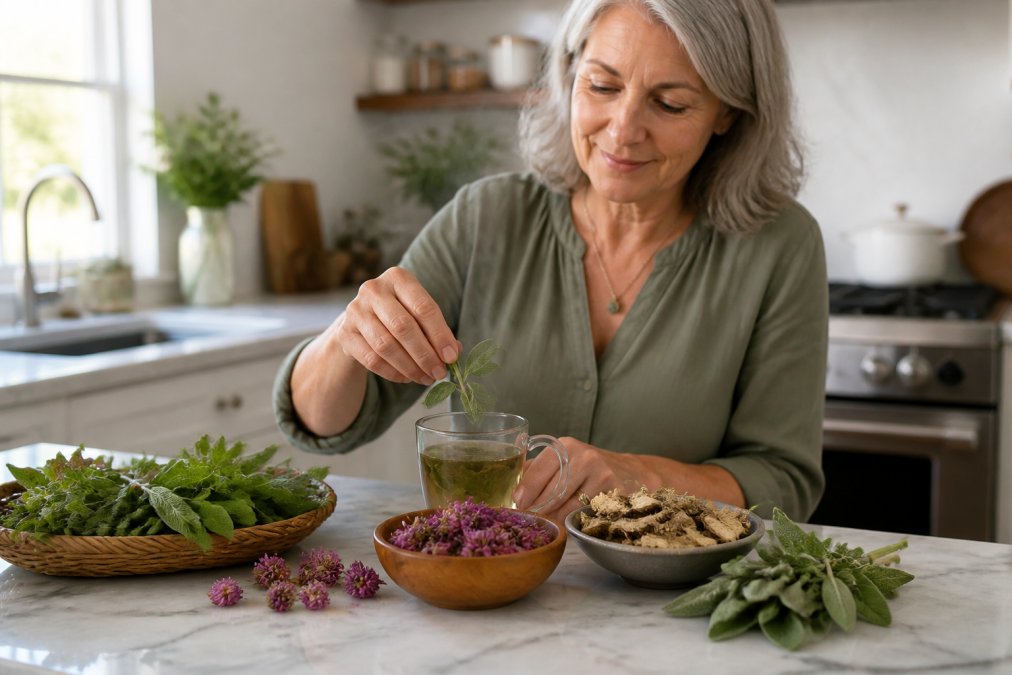
Sage has a long history in traditional preparations for this exact purpose. Its compounds appear to influence how the body regulates temperature. Red clover contains phytoestrogens, plant compounds that weakly mimic estrogen, which may ease vasomotor symptoms by providing hormonal support during the transition. Black cohosh works through a different mechanism, potentially affecting serotonin pathways and the hypothalamus, the brain region that controls temperature regulation. Many practitioners recommend combining them rather than choosing one.
Supporting Hormonal Balance During Perimenopause
Perimenopause demands herbs that support overall endocrine function rather than just symptom suppression.
Chaste tree berries (Vitex) work on the hypothalamic-pituitary axis, the master control center for hormone production. Angelica sinensis (Dong Quai) has been used in Traditional Chinese Herbalism for centuries to support women's vitality during hormonal transitions. Ashwagandha, an adaptogen, helps the body manage stress, and stress amplifies hormonal symptoms during perimenopause.
The Peri Harmony Woman's Collection from HighFiveHive Nature's Remedies-Kitchen Herbalism combines several of these botanicals into a coordinated bundle designed specifically for perimenopause support. The collection includes Serene Transitions Rejuvenating Tea, formulated with sage, black cohosh, red clover, lemon balm, and peppermint, alongside Five Botanicals: A Woman's Traditional Tincture, which brings together black cohosh, Dong Quai, ashwagandha, red clover, and chaste tree berries in concentrated form.

Natural Joint Support for Women Over 50
Joint discomfort accelerates after 50, driven by declining estrogen, accumulated wear, and shifts in inflammation regulation. Natural joint support requires herbs that address both inflammation and underlying changes in joint tissue.
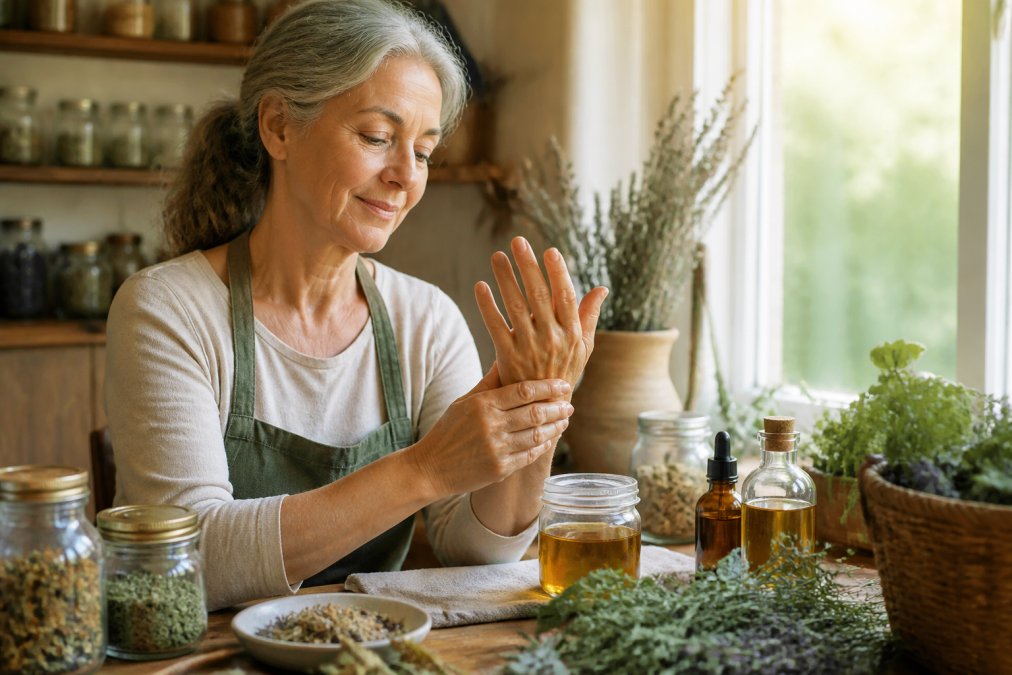
Turmeric's active compound curcumin is one of the most researched anti-inflammatory botanicals. Ginger operates through similar mechanisms but with a slightly different biochemical profile. Nettle leaf contains minerals that support joint structure and has mild diuretic properties that may help reduce joint swelling. Devil's claw appears to work through multiple mechanisms simultaneously.
The Peri Harmony Woman's Collection includes a Joint & Movement Oil designed to be applied topically, providing localized support alongside internal herbal support.
Key Herbs for Women's Wellness and Cognitive Health
Beyond hormonal and joint support, women over 50 benefit from herbs that address cognitive function, bone density, and overall resilience.
Black Cohosh and Red Clover for Hormonal Balance
Black cohosh stands out for its historical use and modern research attention. Unlike phytoestrogens, which mimic estrogen weakly, black cohosh appears to work through serotonin and other neurotransmitter pathways. This makes it a consideration for women who don't respond well to phytoestrogenic herbs, and it's often a choice for managing hot flashes specifically.
Red clover contains four different isoflavones, plant compounds with estrogenic activity. The advantage of red clover is its broader nutrient profile; it also supplies minerals and other compounds that support overall health during midlife transition.
Ashwagandha and Adaptogens for Stress and Sleep
Ashwagandha is an adaptogen that helps the body manage stress by regulating cortisol and supporting nervous system resilience. For women over 50, stress management matters enormously; chronic stress accelerates bone loss, worsens hot flashes, and impairs cognitive function.
Sleep quality often declines during perimenopause and postmenopause due to hormonal shifts, night sweats, and stress. Valerian root and passionflower work through different mechanisms, valerian appears to increase GABA, a calming neurotransmitter, while passionflower may work through serotonin pathways. Lemon balm provides mild sedative effects without grogginess.
The Evening Collection from HighFiveHive Nature's Remedies-Kitchen Herbalism pairs Natures Serene Moments Chamomile Lemon Balm & Lavender Tea with herbal tinctures designed to create a complete wind-down ritual.
Herbs for Bone Density and Cognitive Function
Bone density becomes critical after 50, particularly for women who've experienced significant estrogen decline. Red clover and black cohosh both have research suggesting bone-protective effects. Nettle leaf provides silica and other minerals essential for bone matrix formation. Horsetail has been used traditionally for bone and connective tissue support.
Lion's mane mushroom has emerged as a particularly promising botanical for cognitive support; research suggests it may support nerve growth factor, a compound essential for brain health. Ginkgo biloba supports blood flow to the brain and may improve memory and mental clarity. Ashwagandha also has cognitive benefits through its neuroprotective effects.
Safe Herbal Supplements for Seniors: Drug-Herb Interactions
Many women over 50 take multiple medications, blood pressure regulators, blood thinners, hormone therapy, diabetes management drugs, and herbs interact with these in ways that matter clinically.
Black cohosh may interact with hormone-sensitive conditions and has been linked to rare liver issues in some individuals; women with liver disease should avoid it or use it only under professional supervision (peer-reviewed research). Red clover's phytoestrogens mean it shouldn't be combined with hormone replacement therapy without medical oversight. Ashwagandha can potentiate sedatives and blood pressure medications, meaning doses may need adjustment (peer-reviewed research). Ginkgo biloba acts as a mild blood thinner and shouldn't be combined with anticoagulants like warfarin without medical monitoring (peer-reviewed research).
The critical difference between following online herbalism guides and working with an RN-led approach is this: a registered nurse understands medication mechanisms, recognizes interaction patterns, and can help you navigate the safety landscape. At HighFiveHive Nature's Remedies-Kitchen Herbalism, the RN-led formulation process means every product is designed with drug interactions in mind. The Five Botanicals: A Woman's Traditional Tincture includes a detailed disclaimer about contraindications and explicitly recommends consulting a healthcare professional before use if you're taking medications.

Forms of Herbal Administration: Teas, Tinctures, and Oils
How you take an herb matters as much as which herb you choose. Different forms deliver different concentrations, have different absorption rates, and fit different lifestyles.
Herbal Teas for Daily Wellness
Teas are the gentlest form and best for daily, ongoing support. Steeping dried herbs in hot water extracts water-soluble compounds. The Serene Transitions Rejuvenating Tea from HighFiveHive Nature's Remedies-Kitchen Herbalism delivers sage, black cohosh, red clover, lemon balm, and peppermint in a loose-leaf blend. Brewing one teaspoon per 8 ounces of water at 200°F for 5-7 minutes extracts the full range of compounds. Most women drink 1-2 cups daily as part of their wellness routine.

Tinctures: Concentrated Botanical Extracts
Tinctures are liquid extracts made by soaking herbs in alcohol and water, which pulls out both water-soluble and fat-soluble compounds. A single dropper of tincture (30-60 drops) often equals several cups of tea in terms of concentrated botanical material.
The Five Botanicals: A Woman's Traditional Tincture contains black cohosh, Dong Quai, ashwagandha, red clover, and chaste tree berries in alcohol-water extract form. The suggested use is 1-2 dropperfuls in water or juice, 2-3 times daily.
Infused Oils and Topical Applications
Oils infused with herbs deliver botanical support directly to the area where it's needed. The Joint & Movement Oil included in the Peri Harmony Woman's Collection is designed for topical application to areas of discomfort. Topical application bypasses the digestive system entirely, making it useful for women with sensitive stomachs.
| Administration Form | Onset Time | Concentration | Best For | Daily Use |
|---|---|---|---|---|
| Herbal tea | 30-60 minutes | Lower | Daily wellness, gentle support | 1-2 cups |
| Tincture | 15-30 minutes | Higher | Acute symptoms, faster results | 2-3 dropperfuls |
| Infused oil | Minutes | Localized | Joint/muscle discomfort, topical support | As needed |
| Capsules | 30-45 minutes | Variable | Convenience, no taste | 1-3 daily |
Personalized Herbal Protocols by Symptom Cluster
Women over 50 rarely experience symptoms in isolation. Hot flashes often come with sleep disruption. Joint discomfort pairs with cognitive fog. An effective herbal protocol addresses these clusters rather than treating each symptom separately.
For hot flashes + sleep disruption: Combine sage (for thermoregulation) with valerian root or passionflower (for sleep). The Natures Serene Moments Chamomile Lemon Balm & Lavender Tea addresses the sleep component, while adding a separate sage tea in the morning targets daytime hot flashes.
For hormonal imbalance + joint discomfort: Use chaste tree berries and red clover for hormonal support alongside turmeric and ginger for joint inflammation. The Peri Harmony Woman's Collection bundles several of these, providing coordinated support across both concerns.
For stress + cognitive fog + sleep issues: Ashwagandha addresses stress while supporting cognition; passionflower or valerian handle sleep. Ginkgo or lion's mane mushroom specifically target mental clarity.
For bone health + overall vitality: Red clover and nettle leaf provide mineral support and phytoestrogenic effects. Add calcium-rich herbs like oat straw if dietary calcium is insufficient.
The RN-led approach means these protocols are built on understanding how individual herbs work and how they interact.
Sustainability and Ethical Sourcing in Herbalism
As herbalism for women over 50 grows in popularity, sourcing practices matter increasingly. Overharvesting threatens wild populations of popular medicinal plants. Unsustainable farming depletes soil.
HighFiveHive Nature's Remedies-Kitchen Herbalism prioritizes sourcing practices that preserve both plant populations and farming communities. Herbs like goldenseal and American ginseng, once threatened by overharvesting, require particular care. Cultivated sources are preferable to wild-harvested when populations are vulnerable. Fair-trade certification ensures that farmers and harvesters receive equitable compensation.
When evaluating any herbalism for women over 50 product, ask about sourcing. Where do the herbs come from? Are they organically grown? Are they wild-harvested sustainably or cultivated? The kitchen herbalism approach championed by HighFiveHive Nature's Remedies-Kitchen Herbalism emphasizes working with common, widely available herbs that don't stress wild populations. Sage, peppermint, chamomile, and lemon balm are easy to grow and widely cultivated.
Herbalism for women over 50 works best when it's informed, personalized, and grounded in both traditional wisdom and modern safety awareness. The difference between following generic online guides and working with an RN-led approach is the difference between hoping something helps and knowing it's been formulated with your safety and effectiveness in mind.
HighFiveHive Nature's Remedies-Kitchen Herbalism brings 40 years of nursing expertise to every formulation, ensuring that the herbs you're taking address your specific needs while accounting for medications, contraindications, and individual health circumstances. Whether you're navigating hot flashes and hormonal shifts, managing joint discomfort, or supporting cognitive health during midlife, the right herbal support, combined with professional guidance, can help you reclaim vitality and move through this life stage with confidence. Shop now to explore collections designed specifically for women over 50, from the Peri Harmony Woman's Collection for perimenopause support to The Aura Woman Complete Natural Balance Vitality Collection for comprehensive wellness.
Frequently Asked Questions
What are the best herbs for managing hot flashes and night sweats?
Black cohosh, red clover, and sage are among the most studied herbs for vasomotor symptoms. Black cohosh has a long history in traditional preparations for women, while red clover contains phytoestrogens that may help balance hormonal fluctuations. Sage tea is traditionally used for night sweats. Herbal remedies for menopause symptoms work best when combined with sleep hygiene and stress management. An RN-led approach ensures you're using appropriate dosages for your individual health profile.
How do herbal supplements interact with common medications for women over 50?
Many herbs can interact with blood pressure medications, blood thinners, and hormone therapies. For example, some botanicals may affect how your body processes medications. This is why safe herbal supplements for seniors require professional guidance. Before starting any herbal remedy, discuss it with your healthcare provider, especially if you take medications for diabetes, heart health, or thyroid function. An RN can review your complete medication list and identify potential contraindications, protecting your safety.
What makes an RN-led herbal approach different from DIY herbalism?
An RN brings clinical training in pharmacology, drug interactions, and dosage safety that DIY websites cannot provide. With 40 years of nursing experience, a qualified herbalist understands how to recognize when symptoms need medical evaluation, and personalize protocols based on your health history. RN-led herbalism combines traditional botanical knowledge with evidence-based safety practices, ensuring you receive guidance grounded in both clinical expertise and herbal wisdom.
Can herbal remedies really support joint health and mobility in women over 50?
Yes. Herbs like turmeric, ginger, and ashwagandha contain compounds that address oxidative stress and joint inflammation. Natural joint support for women over 50 works through both systemic herbal support and topical applications like infused oils. Individual outcomes vary based on the severity of joint concerns and consistency of use.
How long does it take to notice benefits from herbal remedies?
Timeline varies by symptom and herb. Sleep and stress relief may improve within days to one week with adaptogens and calming herbs like valerian root and lemon balm. Hormonal balance and joint comfort typically require 4-8 weeks of consistent use as botanicals work to rebalance the endocrine system and reduce chronic inflammation. Skin resilience and cognitive function improvements often emerge over 8-12 weeks. Patience and consistency are key; herbal support works gradually and sustainably, addressing root causes rather than masking symptoms.
This article was written using GrandRanker


Leave a comment