
How to Safely Combine Herbs: A Nursing Guide
Table of Contents
- Why Safely Combining Herbs Matters
- Understanding Herb-Drug Interactions
- Medicinal Herb Contraindications You Must Know
- Step-by-Step Process for Combining Herbs Safely
- Culinary Herb Pairing Guide for Daily Use
- Common Mistakes to Avoid When Combining Herbs
- When to Consult a Healthcare Professional
- Conclusion
Last Updated: August 8, 2026
Why Safely Combining Herbs Matters
Combining herbs can amplify therapeutic benefits, but mixing them without proper knowledge introduces real risks. Herb-drug interactions, contraindications, and dosage missteps can undermine your health goals or create serious complications. At HighFiveHive Nature's Remedies-Kitchen Herbalism, we emphasize that how to safely combine herbs isn't optional, it's foundational to effective herbal practice.
Many people approach kitchen herbalism like cooking: they follow recipes without considering how individual herbs interact with their medications, existing conditions, or each other. That approach works for flavor. It doesn't work for medicine. This guide walks you through the exact process for safely combining herbs, from identifying contraindications to choosing preparation methods.
Understanding Herb-Drug Interactions
Herb-drug interactions occur when an herbal compound affects how your body processes a prescription medication, or vice versa. These interactions happen at the metabolic level, where your liver and kidneys process both substances. Some herbs accelerate drug metabolism, reducing medication effectiveness. Others slow it down, causing drug levels to accumulate to unsafe concentrations.
A common mistake is assuming that "natural" means "safe with everything." St. John's Wort speeds up the metabolism of dozens of medications including birth control, antidepressants, and blood thinners. Ginkgo biloba can increase bleeding risk when combined with anticoagulants. Garlic supplements can enhance the effects of blood thinners.
These interactions operate on a spectrum. A mild interaction might reduce a medication's effectiveness by 10-15%, producing no noticeable symptom change but undermining your treatment. A severe interaction could create a medical emergency. The pharmacokinetics of herb-drug combinations, how your body absorbs, distributes, metabolizes, and eliminates both substances, determines whether an interaction will occur. Timing matters: taking an herb hours apart from a medication can sometimes minimize interaction risk.
Medicinal Herb Contraindications You Must Know
A contraindication is a condition or circumstance that makes a particular herb unsafe for you, regardless of how it's prepared or dosed. Contraindications fall into two categories: absolute (the herb should never be used) and relative (the herb requires careful monitoring or modified dosing).
Pregnancy and nursing are absolute contraindications for many medicinal herbs. Herbs like pennyroyal, mugwort, and cohosh can stimulate uterine contractions or affect fetal development. If you're pregnant or nursing, this alone eliminates dozens of commonly recommended herbs from consideration.
Liver and kidney disease represent another critical contraindication category. Your liver and kidneys process herbal compounds just as they process medications. If either organ is compromised, herbal metabolites can accumulate to toxic levels.
Bleeding disorders and medications that thin blood create absolute contraindications for anticoagulant herbs like garlic, ginger, turmeric, and willow bark. These herbs inhibit platelet aggregation or interfere with clotting cascade, creating serious hemorrhage risk when combined with prescription anticoagulants.
Autoimmune conditions require careful consideration with immune-stimulating herbs like echinacea or astragalus. These herbs enhance immune function, which can trigger or worsen autoimmune flares. Someone with lupus, rheumatoid arthritis, or Hashimoto's thyroiditis needs professional guidance before using immune-enhancing herbs.
Hormone-sensitive cancers contraindicate any herb with estrogenic activity. Herbs like black cohosh, red clover, and sage contain phytoestrogens that can stimulate estrogen-dependent cancer cells. The same applies to endometriosis or uterine fibroids.
Diabetes requires specific attention when combining herbs. Some herbs lower blood sugar, which is therapeutic for diabetics but dangerous when combined with insulin or diabetes medications, creating hypoglycemia risk.
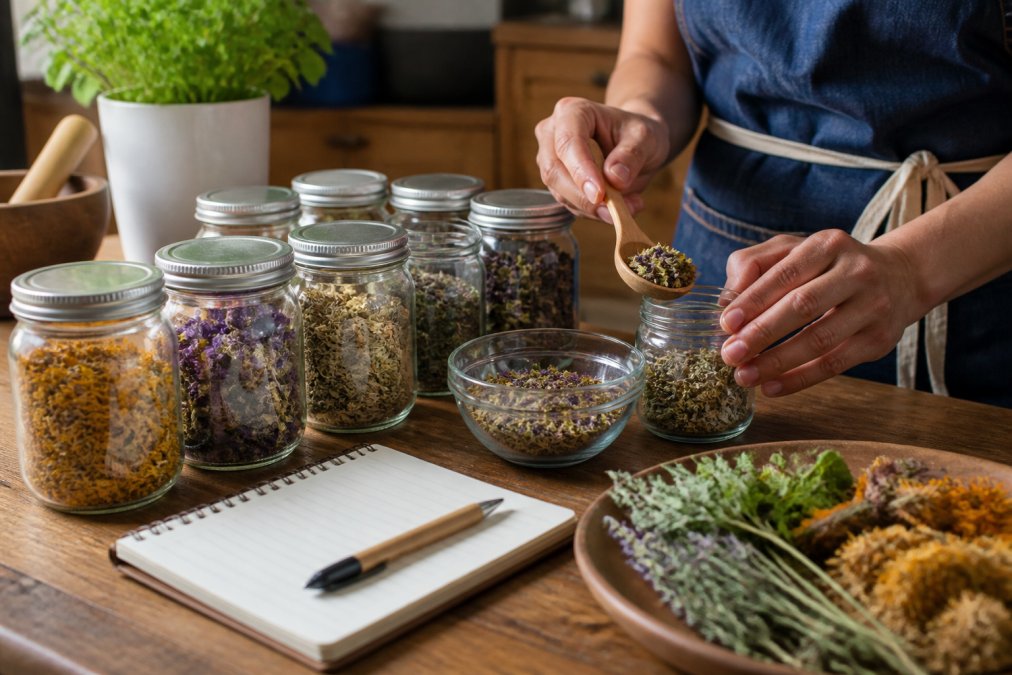
Step-by-Step Process for Combining Herbs Safely
Step 1: Identify Your Current Medications and Health Conditions
Start with a complete inventory. Write down every prescription medication, over-the-counter drug, and supplement you're currently taking, including dosages and frequencies. Next, list your health conditions: diabetes, hypertension, heart disease, anxiety disorders, autoimmune conditions, hormonal imbalances, liver or kidney issues, bleeding disorders, cancer history, pregnancy or nursing status, and allergies.
Many people skip this step because it feels tedious. That's precisely when interactions happen. Keep this inventory updated. When you start a new medication or receive a new diagnosis, update it immediately. This becomes your reference document for every herb you consider adding.
Step 2: Research Each Herb's Active Compounds and Effects
Research each herb's pharmacologically active compounds. Ginger contains gingerols and shogaols in different concentrations depending on whether you're using fresh ginger, dried ginger, or a standardized extract. Fresh ginger contains more gingerols. Dried ginger contains more shogaols. These compounds have different pharmacological profiles and different interaction potentials.
Look up the specific active compounds for each herb you're considering. Turmeric's curcuminoids reduce inflammation. Milk thistle's silymarin supports liver function. Echinacea's polysaccharides stimulate immune activity. This specificity matters because it determines whether an herb will interact with your medications.
Also research the herb's traditional uses versus its evidence-based applications. Knowing the difference helps you set realistic expectations and identify potential interaction risks.
Step 3: Check for Bioavailability and Synergistic Absorption
Bioavailability is how much of an herb's active compounds your body can actually absorb and use. Some compounds have poor bioavailability on their own. Turmeric's curcumin has low bioavailability when taken alone. But when combined with black pepper (piperine), bioavailability increases dramatically, sometimes by 2000%. This is synergistic enhancement: the combination becomes more effective than either herb alone.
Other combinations interfere with absorption. If you combine herbs that compete for the same absorption pathways, they'll reduce each other's bioavailability. Research whether your intended combination has synergistic potential or absorption interference by looking for studies on the specific herbs you're combining.
Step 4: Determine Dosage and Spacing Intervals
Dosage for herbs isn't standardized the way pharmaceutical dosing is. The same herb from different suppliers, in different preparations, with different processing methods will have different potencies. A dried herb infusion is more dilute than a tincture, which is more concentrated than a standardized extract.
For medicinal combinations, conservative dosing is safer than aggressive dosing. The therapeutic index, the difference between an effective dose and a toxic dose, varies by herb. Some herbs have a wide therapeutic window. Others don't.
Spacing intervals matter when you're combining herbs with medications. If you're taking a medication that's sensitive to herb interactions, take the medication and herb at different times, ideally 2-4 hours apart. Document your dosing protocol: exactly how much of each herb you're taking, how often, and at what time of day.
Step 5: Choose Your Preparation Method
How you prepare an herb dramatically affects its potency, bioavailability, and interaction profile. Fresh herb infusions are the most dilute form, gentle and suitable for daily wellness use with lower interaction risk. Dried herb infusions are more concentrated than fresh. Tinctures are alcohol-based extracts that are highly concentrated with excellent bioavailability and precise dosing, but carry higher interaction risk. Decoctions involve simmering herbs in water for extended periods, ideal for roots, barks, and seeds. Standardized extracts offer consistency and precision.
Choose your preparation method based on the herb, the condition you're addressing, and your interaction risk profile. For someone on multiple medications, gentle infusions might be safer than concentrated tinctures.
Culinary Herb Pairing Guide for Daily Use
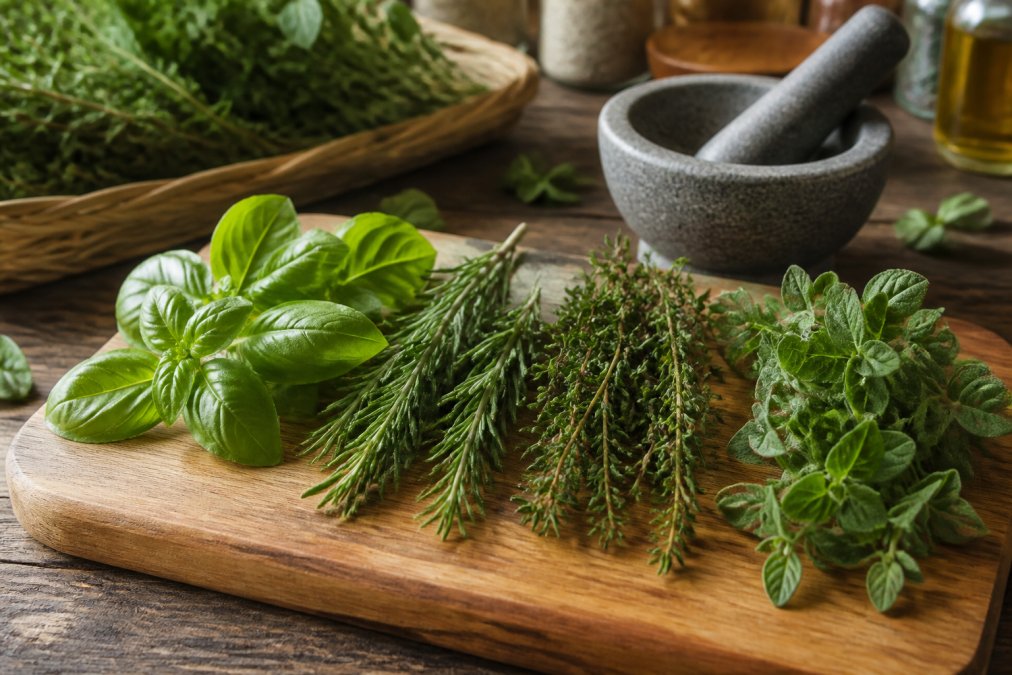
Culinary herbs occupy a different safety category than medicinal herbs. They're used in smaller quantities with lower concentration of active compounds and lower interaction risk.
Rosemary and thyme together enhance circulation and cognitive function. Both contain compounds that improve blood flow to the brain. Basil and oregano pair well for immune support, with both containing antimicrobial compounds that work through different mechanisms. Sage and thyme work well for respiratory support. Ginger and turmeric are a classic anti-inflammatory pairing, with their compounds working through different inflammatory pathways. Mint and lemon balm pair well for digestive support and relaxation.
The key to successful culinary herb pairing is understanding that complementary doesn't mean identical. You want herbs that support similar health goals but work through different mechanisms. Most culinary herb pairings are safe for people on medications because culinary quantities are low. A pinch of dried herbs in cooking or a cup of herbal tea delivers far less active compound than a medicinal tincture.
Common Mistakes to Avoid When Combining Herbs
The most common mistake is assuming that because an herb is "natural," it's automatically safe in any combination. Natural doesn't mean safe.
Another frequent error is combining too many herbs at once. If something goes wrong, you can't identify which herb caused it. It also increases interaction risk exponentially. Start with simple combinations of 2-3 herbs.
Ignoring preparation method differences is another critical mistake. Assuming all ginger products are equivalent, or that all turmeric supplements deliver the same dose, leads to inconsistent results or unexpected interactions.
Many people skip the spacing interval step. Taking an herb and medication simultaneously when they should be separated creates unnecessary interaction risk. A simple fix, taking them 3 hours apart, often eliminates the problem.
Failing to update your herb inventory when medications change is dangerously common. Someone starts a new blood thinner and forgets to check whether their current herbs interact with it.
Assuming that "a little more won't hurt" is another error. Herbal dosing isn't linear. Beyond the therapeutic window, additional herb doesn't provide additional benefit and may create side effects or interaction risk.
People also frequently combine herbs based on internet recommendations without considering their individual health context. An herb combination that's perfect for someone without health conditions might be contraindicated for someone with liver disease or on blood thinners.
Finally, many people avoid consulting a healthcare professional because they assume their doctor will disapprove of herbs. Most healthcare providers want to know what you're taking, herbs included, so they can help you use them safely.
When to Consult a Healthcare Professional
Consult a healthcare professional before combining herbs if you're taking any prescription medications. If you have any chronic health condition, diabetes, hypertension, heart disease, autoimmune conditions, liver or kidney disease, bleeding disorders, or cancer, consult a professional before starting herbal combinations.
If you're pregnant or nursing, consult a professional before using any medicinal herbs. If you're considering herbs for a specific health goal but you don't have a clinical diagnosis from a healthcare provider, get evaluated first. If you experience unexpected symptoms after starting an herb combination, stop the herbs and contact your healthcare provider.
If you're working with an herbalist or naturopath, that's valuable. But it shouldn't replace consultation with your primary care provider. The best approach integrates both perspectives: conventional medical evaluation combined with professional herbal guidance.
HighFiveHive Nature's Remedies-Kitchen Herbalism emphasizes that professional guidance, whether from your doctor, a clinical herbalist, or a nurse practitioner with herbal expertise, is your safety net.
Safely combining herbs requires more than good intentions. It demands systematic evaluation of your medications, health conditions, and the specific herbs you're considering. The framework outlined here, identifying contraindications, researching active compounds, understanding bioavailability, determining appropriate dosing, and choosing preparation methods, transforms herb combining from guesswork into a deliberate, informed practice.
The real difference between DIY herbalism that works and DIY herbalism that creates problems is documentation and professional consultation. Start by getting your complete medication and health condition inventory documented, then build your herbal combinations from that foundation.
Frequently Asked Questions
What herbs should not be combined together?
Certain herb combinations can create adverse reactions or reduce therapeutic effectiveness. For example, combining blood-thinning herbs like ginkgo with ginger may increase bleeding risk. Stimulating herbs such as ginseng should not be mixed with calming herbs like valerian without professional guidance, as they work against each other. Herbs with similar active compounds, like multiple cooling or heating herbs, can intensify effects beyond safe levels. Always verify each herb's properties and check for contraindications before combining, especially if you're taking prescription medications that may amplify these interactions.
Can mixing herbs cause negative interactions with medications?
Yes, herb-drug interactions are a serious concern. Many herbs contain active compounds that affect how your body metabolizes medications. For instance, St. John's Wort reduces the effectiveness of birth control and certain antidepressants. Ginkgo and ginger can increase bleeding when combined with blood thinners like warfarin. Turmeric may interact with diabetes medications and blood pressure drugs. These interactions occur because herbs alter absorption, metabolism, or elimination of prescription drugs. If you take any medications, especially for diabetes, heart conditions, or hormonal health, consult a healthcare professional before combining herbs to ensure safety.
How do I know if two herbs are safe to combine?
Start by researching each herb's active compounds, therapeutic properties, and known contraindications. Check whether both herbs share similar effects (which may intensify beyond safe levels) or opposing effects (which may cancel benefits). Look up documented herb-drug interactions if you take medications. Consider bioavailability, some herbs absorb better when spaced apart rather than taken together. Verify dosage recommendations for each herb individually, then adjust downward slightly when combining. The safest approach is consulting an RN or qualified herbalist who can review your complete health history, medications, and specific wellness goals before you begin combining herbs.
What preparation method is best for combining herbs safely?
The best method depends on the herbs' properties and your health needs. Tinctures (alcohol or glycerin extracts) offer concentrated active compounds and precise dosing, making them ideal for medicinal combinations. Infusions (steeped teas) work well for culinary herbs and milder medicinal blends, though they're less concentrated. Capsules provide exact dosages but limit your ability to adjust based on how your body responds. Decoctions (simmered preparations) suit woody herbs and roots. For safe combining, match the method to each herb's chemistry, some compounds extract better in water, others in alcohol. Spacing doses 2-4 hours apart reduces interaction risk and allows you to monitor how your body responds to each component.
This article was written using GrandRanker


Leave a comment