
Herbalist vs RN Herbalism: Key Differences
Table of Contents
- Defining the Herbalist vs RN Herbalist Role
- Scope of Practice: What Each Professional Can and Cannot Do
- How to Verify Herbalist Credentials and Nursing Licensure
- Herbal Medicine Safety and Drug Interactions: RN Advantage
- Educational Pathways and Certification Requirements
- Benefits of RN-Led Natural Health Consultations
- Choosing the Right Professional for Your Wellness Goals
Last Updated: August 24, 2026
Defining the Herbalist vs RN Herbalist Role
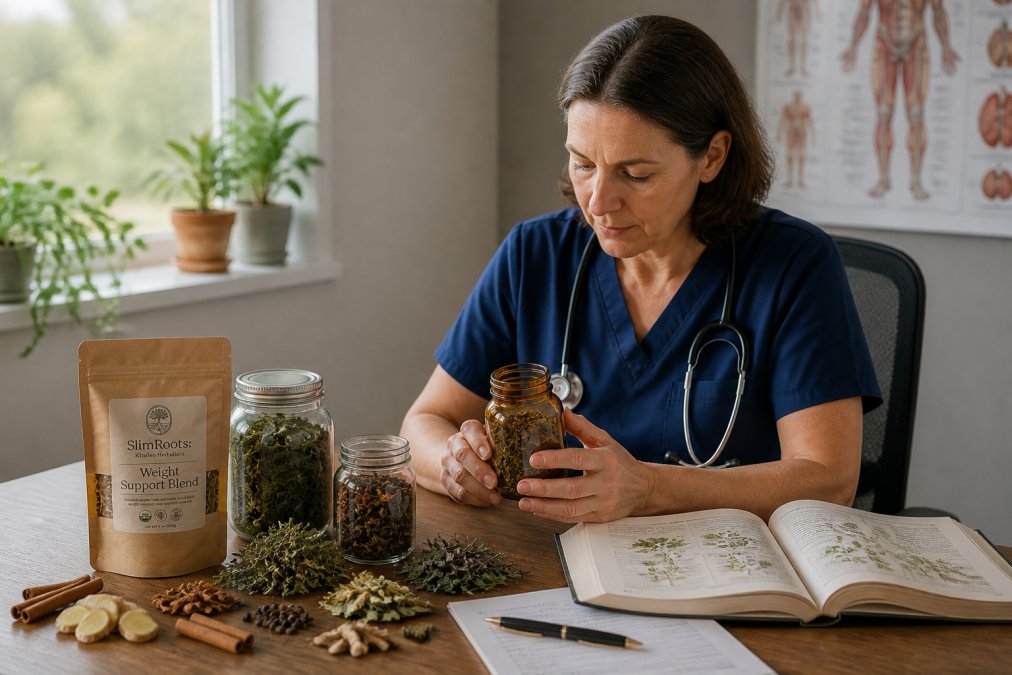
A herbalist is a practitioner trained in the therapeutic use of plants and botanical preparations, while an RN herbalist is a registered nurse who integrates clinical nursing knowledge with herbal medicine training. The distinction matters because it determines what someone can legally recommend, how they approach patient safety, and what oversight governs their practice. At HighFiveHive Nature's Remedies-Kitchen Herbalism, we've built our entire approach around RN-led herbal support precisely because the nursing credential brings something a herbalist-only credential cannot: clinical assessment skills, medication interaction knowledge, and accountability to state nursing boards.

A traditional herbalist may have completed rigorous herbal training programs and earned professional certifications, but they operate outside the regulated healthcare system. An RN herbalist operates within it, bound by nursing practice standards, continuing education requirements, and legal liability frameworks that protect patients. An RN can assess whether herbal blends interact with your blood pressure medication, diabetes regimen, or thyroid replacement therapy, a clinical lens that separates kitchen herbalism as a wellness practice from herbalism as clinical support.
Scope of Practice: What Each Professional Can and Cannot Do
Herbalists can educate clients about botanical properties, recommend herbal preparations based on traditional or evidence-based use, create custom herbal blends, and discuss wellness goals. They cannot diagnose conditions, prescribe medications, order lab tests, or legally claim their recommendations will treat disease.
RN herbalists can do everything a herbalist does, plus assess vital signs and health history, identify potential drug-herb interactions, recognize when symptoms warrant medical referral, and adjust recommendations based on clinical data. However, RN herbalists still cannot diagnose conditions or prescribe pharmaceuticals.
Consider a practical scenario: A client comes with joint pain. A traditional herbalist might recommend turmeric, ginger, and boswellia based on their anti-inflammatory properties. An RN herbalist does the same but also asks: Are you on blood thinners? Do you have kidney disease? Are you pregnant? Turmeric is a natural anticoagulant, it matters whether you're already on warfarin. Ginger can irritate an inflamed stomach lining. Boswellia may affect kidney function in certain populations. This clinical assessment is the real distinction.
How to Verify Herbalist Credentials and Nursing Licensure
Verifying RN credentials is straightforward. Every state maintains a nursing board with a searchable licensure database. You can look up any RN by name and state to confirm active licensure status, disciplinary history, and additional certifications. Search your state's nursing board website directly, never rely on a practitioner's word alone.
Verifying herbalist credentials is more complex because herbalism is largely unregulated. However, professional organizations do exist:
-
American Herbalists Guild (AHG) maintains a registry of professional members who meet training standards and ethics guidelines. AHG membership requires documented herbal education (typically 1,000+ hours), apprenticeship or mentorship, and adherence to a code of ethics (americanherbalistsguild.com). You can search their member directory on their website.
-
Registered Herbalist (RH) designation through the AHG represents a higher credential earned through documented training, supervised practice, and examination.
When evaluating a herbalist's credentials, ask: What specific training have you completed? Are you AHG-registered? Do you carry professional liability insurance? What's your continuing education practice? A legitimate herbalist will have transparent answers.
Herbal Medicine Safety and Drug Interactions: RN Advantage
Herbal medicine safety isn't about whether something is "natural", it's about understanding how that herb interacts with your specific body, medications, and health conditions. St. John's Wort is widely used for mood support, but it renders oral contraceptives ineffective and interferes with numerous psychiatric medications (peer-reviewed research). Gymnema Sylvestre can potentiate diabetes medications, potentially causing hypoglycemia if not monitored (peer-reviewed research). Ginger and turmeric both have anticoagulant properties, critical if you take warfarin.
An RN herbalist knows these interactions because they've studied pharmacology, drug metabolism, and clinical outcomes. They understand your complete medication list, kidney and liver function, age, pregnancy status, and clinical history. They can assess risk in a way that goes beyond general warnings.
In practice, an RN herbalist will ask for a complete medication list before recommending anything, review your recent lab work if relevant, identify contraindications specific to you, monitor you over time, and know when to say "this isn't appropriate for your situation."
HighFiveHive Nature's Remedies-Kitchen Herbalism formulates products like SlimRoots Kitchen Herbalism Weight Tea Blend with this clinical awareness built in. The blend includes gymnema for blood sugar support, but the product documentation explicitly warns users on diabetes medications to monitor glucose closely and consult their provider.
Educational Pathways and Certification Requirements
Becoming a traditional herbalist typically involves formal herbal programs (500-2,000+ hours through recognized schools, typically 1-4 years), apprenticeship under an experienced herbalist (1-3 years), or self-directed study. Certification options include AHG registration (1,000+ hours documented training) or professional organization memberships. Cost ranges from free to $20,000+, with flexible timelines.
Becoming an RN herbalist requires nursing education first (Associate degree, typically 2 years, or Bachelor's degree, typically 4 years), passing the NCLEX-RN exam, state licensure, then completing herbal education (500-2,000+ hours). Total timeline: 2-6+ years. Cost: $20,000-$100,000+ for nursing education alone, plus $5,000-$15,000 for herbal training.
Nursing education includes pharmacology, anatomy, pathophysiology, clinical assessment, and patient safety, all taught with legal accountability. Herbal programs vary widely in rigor. The combination creates a practitioner who understands both systems deeply.
Continuing education requirements also differ. RNs must complete continuing education hours annually to maintain licensure, legally mandated and tracked by state boards. Herbalists have no universal requirement, though professional organizations encourage ongoing learning.
Benefits of RN-Led Natural Health Consultations
RN-led consultations bring clinical structure to herbal support. The RN reviews your complete health history, current medications, lab results, and specific health goals. They ask detailed questions about symptoms, lifestyle, and what you've already tried, then recommend herbal strategies that complement, not contradict, your existing care.
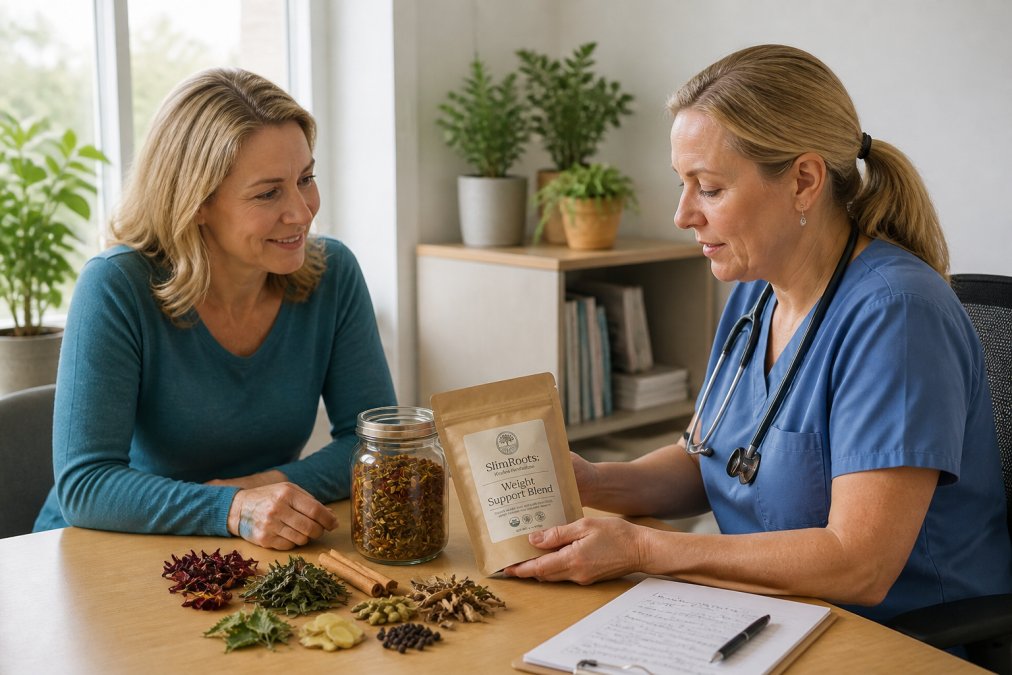
Safety monitoring is built in. If you're using an herb that affects blood sugar, an RN checks your glucose regularly and adjusts recommendations based on actual results. Medication alignment happens automatically, the RN knows your prescriptions and recommends herbs that won't interfere. Personalization goes deeper: two people with "joint pain" might need completely different herbal strategies based on their specific conditions and medications. Communication with your doctor becomes easier when your RN herbalist documents their recommendations. Accountability exists: an RN is bound by nursing practice standards and malpractice liability.
Products like HighFiveHive Nature's Remedies-Kitchen Herbalism's Peri Harmony Woman's Collection exemplify this approach. It's formulated by an RN with clinical herbalist training, designed for a specific population, with dosing and safety considerations built in.

Choosing the Right Professional for Your Wellness Goals
Choose a traditional herbalist if: your health is relatively stable with no chronic conditions, you're not taking multiple medications, you're interested in learning about herbs as wellness tools, you want education and empowerment around plant medicine, you're not pregnant or nursing, or cost is a limiting factor.
Choose an RN herbalist if: you have diabetes, heart disease, thyroid issues, or other chronic conditions, you take multiple medications, you're pregnant or nursing, you want herbal support integrated with medical care, you need someone accountable to professional standards, you want medication interaction assessment, or you're over 50 and managing complex health.
When choosing an RN herbalist, verify RN license through your state board and ask about herbal training specifics. Evaluate their communication style, integration approach with your doctor, realistic expectations about what herbs can do, and safety focus. Will they follow up and adjust recommendations based on results?
Red flags include practitioners who claim herbs can replace medications, don't ask about current medications, make absolute cure promises, refuse to communicate with your doctor, pressure you to buy expensive packages, or have no formal credentials.
Choosing between herbalist and RN herbalism comes down to your health complexity and what you need from the relationship. If you're navigating multiple medications, chronic conditions, or seeking professional-grade safety oversight, RN-led herbal support from practitioners like HighFiveHive Nature's Remedies-Kitchen Herbalism provides the clinical accountability that makes herbal medicine work safely alongside conventional care. Their approach, combining 40 years of nursing expertise with herbal formulation, bridges the gap between wellness and clinical practice, giving you natural support without compromising safety.
| Credential | Training Hours | Regulation | Drug Interaction Assessment | Accountability |
|---|---|---|---|---|
| Traditional Herbalist | 500-2,000+ | Unregulated (mostly) | Limited | Professional standards only |
| RN Herbalist | 2,000+ (nursing) + 500-2,000 (herbal) | Regulated (nursing license) | Comprehensive | State board + malpractice liability |
| Certified Clinical Herbalist (AHG) | 1,000+ documented | Professional standards | Moderate | Peer review, ethics code |
Frequently Asked Questions
Can a Registered Nurse legally practice herbalism?
Yes, a Registered Nurse can practice herbalism within their scope of practice, provided they hold both active RN licensure and formal training in herbal medicine. RNs who pursue clinical herbalism certification or advanced herbal training can legally recommend and work with herbal protocols, though they remain bound by their nursing license regulations and cannot diagnose conditions. This dual credential creates a unique advantage: the RN brings clinical assessment skills, drug interaction knowledge, and accountability to herbal practice. Always verify that any RN herbalist holds current licensure through your state's nursing board and has completed accredited herbal training programs.
How do I verify the credentials of an herbal practitioner?
For RN herbalists, verify nursing licensure through your state's nursing board website (search the RN's name in the state licensure database). For herbalist credentials, check if they hold certification from organizations like the American Herbalists Guild (AHG) or have completed programs from accredited herbal schools. Ask practitioners directly for their credentials, training hours, and any continuing education. Request documentation of malpractice insurance, which signals professional accountability. A legitimate RN herbalist will provide proof of both nursing licensure and herbal training without hesitation. Be cautious of practitioners who claim credentials without verification pathways.
What is the difference between a community herbalist and a clinical herbalist?
Community herbalists typically focus on general wellness education, herbal preparation methods, and traditional plant knowledge for healthy populations. Clinical herbalists work with individuals who have existing health conditions, perform health assessments, and tailor herbal protocols to specific needs, much like RN herbalists do. Clinical herbalists receive more extensive training in anatomy, pathology, and how herbs interact with medications and conditions. An RN who practices clinical herbalism combines nursing assessment skills with herbal expertise, allowing them to evaluate complex medication interactions and coordinate care with other healthcare providers. For chronic conditions or medication concerns, a clinical herbalist or RN herbalist is the safer choice than a community herbalist.
Does an RN-led herbalism practice offer different health outcomes?
RN-led herbalism brings clinical assessment and safety monitoring that can improve outcomes, particularly for people with chronic conditions or multiple medications. RNs can identify drug-herb interactions, monitor for adverse effects, and adjust herbal protocols based on clinical response. This professional oversight reduces risk and increases the likelihood that herbal recommendations are appropriate for your individual situation. While research on herbalism outcomes is still emerging, the addition of nursing expertise, patient history review, vital sign assessment, and coordination with other providers, creates a more thorough, accountable approach than herbalism alone. For diabetes management, hormonal concerns, or joint health, an RN herbalist's clinical foundation adds measurable value.
This article was written using GrandRanker


Leave a comment