
Women's Health RN vs Kitchen Herbalism: Key Differences
Table of Contents
- Understanding Scope of Practice: Women's Health RN vs Kitchen Herbalism
- Credentials, Training, and Educational Requirements
- Clinical vs. Holistic Approaches to Women's Wellness
- Benefits of RN-Led Herbalism: Why Professional Guidance Matters
- Evidence-Based Herbal Remedies for Immune Health and Women's Wellness
- Collaborative Care Models: When Both Approaches Work Together
- Kitchen Herbalism as a Botanicalkitchen Alternative for Herbal Support
- Legal, Regulatory, and Liability Considerations
Last Updated: August 22, 2026
Understanding Scope of Practice: Women's Health RN vs Kitchen Herbalism
A Women's Health RN operates within a defined clinical scope governed by state nursing boards and federal healthcare regulations. A professional kitchen herbalist works within a different framework rooted in traditional knowledge, self-care guidance, and wellness coaching rather than medical diagnosis or treatment. Understanding these boundaries is essential before choosing which professional to consult.
The scope of practice for each role determines what they can legally do, what they're trained to do, and what outcomes you can reasonably expect. This distinction matters because crossing it creates legal and safety risks for both the practitioner and the person seeking support.
What a Women's Health RN Can Do
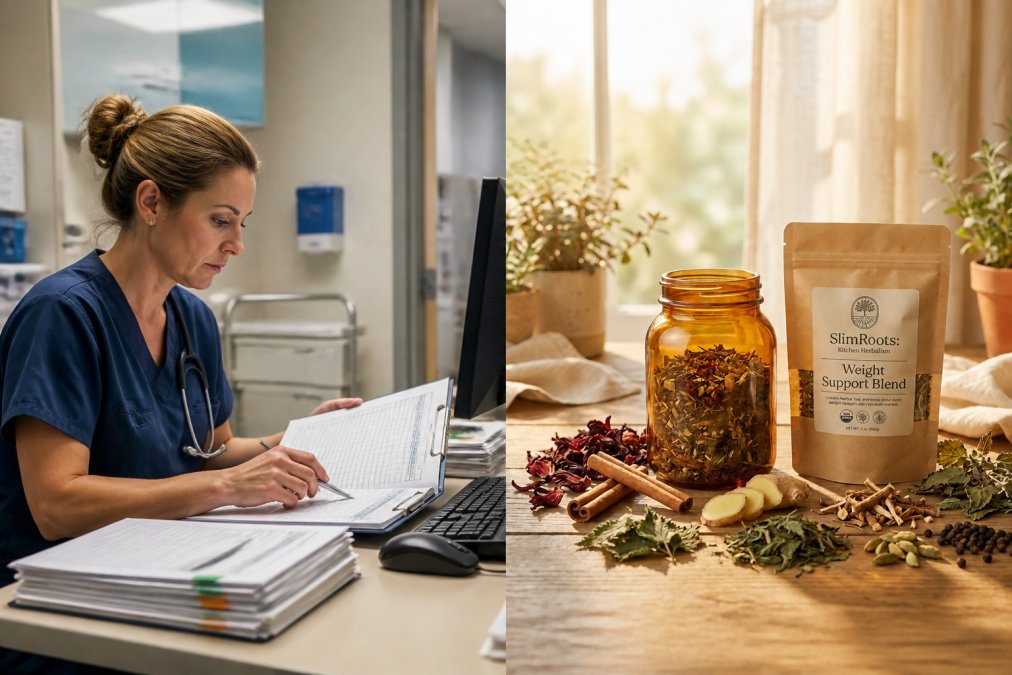
A Women's Health RN holds a state-issued nursing license and has completed specialized education in reproductive health, hormonal conditions, and women's wellness. They can assess symptoms, order diagnostic tests, interpret lab results, prescribe medications (in some states with additional credentials), diagnose conditions, and develop treatment plans. An RN can recommend herbal remedies as part of a comprehensive care plan with clinical accountability, understanding drug-herb interactions, contraindications, and appropriate dosing based on individual health status. They document everything, carry malpractice insurance, and answer to their state nursing board.
What a Professional Kitchen Herbalist Can Do
A kitchen herbalist teaches people how to prepare and use herbs for wellness and self-care. They share traditional knowledge about brewing teas, making tinctures, and blending dried botanicals. They can discuss traditional plant uses and suggest combinations for wellness goals. However, they cannot diagnose conditions, interpret medical tests, prescribe treatments, or claim their recommendations will cure or prevent disease. Their role is educational and supportive, helping you understand herbs and how to use them safely.
Credentials, Training, and Educational Requirements
RN Licensure and Specialization Pathways
Becoming a Women's Health RN requires completing an accredited nursing program (Associate's or Bachelor's degree), passing the NCLEX-RN exam, and obtaining a state nursing license, typically taking two to four years. Many pursue certification through the National Certification Corporation (NCC) or the American Nurses Credentialing Center (ANCC), requiring documented clinical hours, passing a comprehensive exam, and ongoing continuing education.
An RN with herbal training combines nursing credentials with additional clinical herbalism education. At HighFiveHive Nature's Remedies-Kitchen Herbalism, the formulator holds both credentials: a Registered Nurse with over 40 years of clinical experience.

Clinical Herbalist Certification Standards
Clinical herbalism certification is less standardized than nursing licensure. Many herbalists pursue certification through organizations like the American Herbalists Guild, which recognizes programs meeting their standards. A Clinical Herbalist certification typically requires 1,000 to 2,000 hours of coursework in anatomy, physiology, pharmacology, herbal materia medica, and clinical practice. The key difference: a Clinical Herbalist is not state-licensed and cannot prescribe, diagnose, or practice medicine, but can provide deep expertise in how plants work and how to use them safely.
Clinical vs. Holistic Approaches to Women's Wellness
The RN Framework: Evidence-Based Medicine and Standard of Care
A Women's Health RN operates within a clinical framework prioritizing diagnosis, treatment, and measurable outcomes. If you present with irregular periods, she'll assess symptoms, potentially order blood work to check hormone levels, consider possible causes, and recommend treatment based on data. Herbal remedies are integrated into this clinical approach, complementing medications or supporting overall wellness. An RN knows when herbs are sufficient and when you need medical intervention, and she monitors progress with objective measures like lab results and symptom tracking.
The Herbalist Framework: Traditional Knowledge and Root Cause Analysis
A kitchen herbalist takes a different approach, focusing on root cause analysis and supporting the body's natural healing capacity. Rather than isolating symptoms, they ask about stress, digestion, sleep, and nourishment. Herbal remedies support the whole person rather than treating specific disease. This approach is valuable for wellness and prevention but doesn't replace clinical assessment when something is genuinely wrong.
Benefits of RN-Led Herbalism: Why Professional Guidance Matters
An RN-led approach means someone with medical training evaluates your individual situation, not generic advice. They assess your conditions, medications, age, health history, and current symptoms to determine if an herbal approach is appropriate or if you need conventional medical care.
This matters most with complexity. If you have diabetes and want herbal blood sugar support, you need someone understanding both your diabetes medications and the herbs' bioavailability. An RN can tell you whether herbs are safe with your specific medications, how to dose appropriately, and how to monitor effectiveness. An RN also carries malpractice insurance and answers to a state nursing board, providing accountability if something goes wrong.
Evidence-Based Herbal Remedies for Immune Health and Women's Wellness
Botanicals with Clinical Research Support
Ashwagandha (Withania somnifera) has substantial research supporting its use for stress and anxiety, reducing cortisol levels and improving sleep quality. Ginger (Zingiber officinale) has research support for reducing nausea, supporting digestion, and providing anti-inflammatory effects. Hibiscus (Hibiscus sabdariffa) has research indicating it may support healthy lipid levels and cardiovascular function. Cinnamon (Cinnamomum verum) has clinical research showing it may help support healthy blood glucose levels and improve insulin sensitivity. Chaste Tree Berries (Vitex agnus-castus) have traditional use and some clinical evidence for supporting hormonal balance.
HighFiveHive Nature's Remedies-Kitchen Herbalism formulates blends like SlimRoots Kitchen Herbalism Weight Tea Blend using herbs with evidence-based support, combined with RN oversight to ensure safety and appropriate dosing.
Safety, Contraindications, and Drug Interactions
Herbs are not automatically safe just because they're natural. Gymnema leaf (Gymnema sylvestre) can potentiate blood sugar-lowering medications, potentially causing dangerous drops in blood glucose. Black Cohosh has been linked to rare liver problems in some individuals. Holy Basil (Tulsi) may interact with blood-thinning medications. Hibiscus may have mild blood pressure-lowering effects. An RN reviews your full medication list, health history, and specific conditions before recommending any herbal protocol.
| Herb | Traditional Use | Research Status | Key Contraindication |
|---|---|---|---|
| Ashwagandha | Stress, sleep | Strong evidence | May interact with sedatives |
| Ginger | Digestion, nausea | Good evidence | May increase bleeding risk |
| Hibiscus | Cardiovascular health | Moderate evidence | May lower blood pressure |
| Cinnamon | Blood sugar support | Moderate evidence | May potentiate diabetes meds |
| Chaste Tree | Hormonal balance | Limited evidence | Not for pregnancy |
| Gymnema | Blood sugar support | Moderate evidence | May potentiate diabetes meds |
Collaborative Care Models: When Both Approaches Work Together
The best outcomes often happen when an RN and a wellness herbalist work together, or when an RN brings both skill sets to the table. An RN with herbal expertise can offer a middle path, recommending botanicals traditionally used to support hormonal balance while monitoring symptoms and lab values. If the herbal approach isn't working after a reasonable trial period, she can adjust the protocol or recommend conventional treatment.
Alternatively, you might work with both an RN managing clinical care and a clinical herbalist supporting wellness goals, with communication between providers about what you're taking and outcomes you're tracking. The key is transparency and coordination.
Kitchen Herbalism as a Botanical Alternative for Herbal Support
Kitchen herbalism is about learning to work with plants. You source dried herbs or grow them yourself, brew teas, make infusions, and create tinctures. You build knowledge about which herbs support sleep, digestion, and stress. This approach is valuable and helps you take an active role in wellness.
However, kitchen herbalism has limits. Without formal training in anatomy, physiology, and pharmacology, you might miss important contraindications or drug interactions. You might overestimate the potency of a home-brewed tea or underestimate risks during pregnancy.
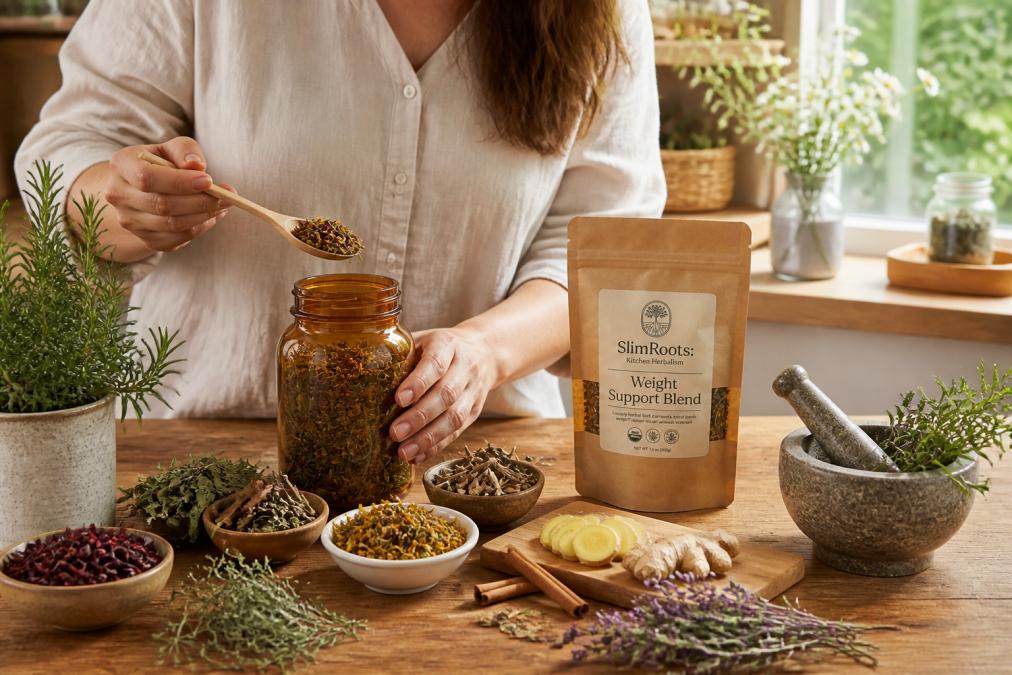
You can practice kitchen herbalism while consulting with a professional when you need guidance. HighFiveHive Nature's Remedies-Kitchen Herbalism bridges this gap, offering pre-formulated blends created by an RN with 40 years of clinical experience. The herbs are already combined in appropriate proportions with contraindications considered and safety built in. You're still engaging with kitchen herbalism while benefiting from professional oversight.
Legal, Regulatory, and Liability Considerations
Scope of Practice Laws and Professional Boundaries
Every state has laws defining what nurses can do, what herbalists can do, and what constitutes practicing medicine without a license. A Women's Health RN operates within a defined scope established by state nursing boards, including assessment, diagnosis, treatment planning, and patient education. An RN can recommend herbal remedies as part of nursing care within a clinical framework with documented accountability.
A kitchen herbalist or wellness coach operates differently. In most states, teaching someone how to use herbs for wellness is not regulated. However, you cannot diagnose conditions, prescribe treatments, or claim recommendations will cure disease. The boundary is: clinical care is regulated. Wellness education is not.
Insurance, Liability, and Professional Standards
An RN carries malpractice insurance and answers to a professional board, creating accountability. If a patient is harmed, there's insurance to cover damages and a professional board to investigate. An unlicensed herbalist typically doesn't carry malpractice insurance, limiting recourse if someone is harmed.
An RN follows standards of care established by nursing organizations and state boards. A kitchen herbalist follows no mandated professional standards, though they might voluntarily follow guidelines from organizations like the American Herbalists Guild.
Frequently Asked Questions
Q: What is the scope of practice for a Women's Health RN compared to a professional kitchen herbalist?
A: A Women's Health RN operates within a defined legal scope governed by state nursing boards. They can assess, diagnose, prescribe medications, order diagnostics, and provide clinical care for reproductive and hormonal health. A professional kitchen herbalist typically works within a wellness coaching framework, recommending herbs for support but not diagnosing conditions or prescribing treatments. The key difference: RNs practice clinical medicine; herbalists offer complementary wellness guidance. Both can coexist in your healthcare approach when boundaries are clear.
Q: How do RN-led herbal remedies differ from DIY kitchen herbalism?
A: RN-led herbalism combines clinical knowledge with herbal expertise. An RN with herbalism training understands pharmacology, drug interactions, contraindications, and how botanicals affect specific conditions, especially critical if you take medications for diabetes or hormonal conditions. DIY herbalism from online recipes lacks this clinical oversight. An RN-formulated product like SlimRoots Kitchen Herbalism Weight Tea Blend ($22.99) includes dosing based on clinical evidence and safety considerations that generic recipes cannot provide. The RN credential ensures accountability and professional standards.
Q: Can I use herbal remedies alongside my prescription medications?
A: Many herbs can be used safely with medications, but some interact significantly. For example, Gymnema Leaf in SlimRoots may potentiate blood sugar-lowering medications, requiring monitoring. Holy Basil can interact with blood thinners. This is where professional guidance, especially from an RN, is essential. Never start herbal remedies without consulting your healthcare provider about potential interactions. An RN-led approach includes this safety review as standard practice, whereas DIY herbalism often overlooks medication interactions entirely.
Q: What qualifications should I look for in a professional kitchen herbalist?
A: Look for certification from recognized clinical herbalism programs (such as those accredited by the American Herbalists Guild), coursework in anatomy and physiology, and understanding of evidence-based herbalism. Some herbalists hold additional credentials like RN status, which adds clinical credibility. Ask about their training in contraindications, drug interactions, and informed consent practices. Verify they understand scope of practice boundaries and do not claim to diagnose or treat disease. A qualified herbalist will refer you to a doctor for clinical concerns and work collaboratively within an integrative care model.
Q: Is an RN-led herbalism approach more effective than traditional kitchen herbalism?
A: Effectiveness depends on your goal and health situation. For symptom management and wellness support, both approaches can be valuable. However, RN-led herbalism offers clinical oversight, understanding how herbs address root causes, monitoring outcomes, and adjusting recommendations based on your health changes. If you have chronic conditions like diabetes or hormonal imbalances, RN guidance significantly reduces risk and improves safety. The Peri Harmony Woman's Collection ($68.00) combines evidence-based herbal support with RN formulation, offering professional accountability that DIY approaches cannot match.
This article was written using GrandRanker


Leave a comment