
How Do You Add Medicinal Mushrooms to a Prediabetes Diet?
Last Updated: November 24, 2026
Quick Summary
Start by using culinary medicinal mushrooms like white button, cremini, shiitake or oyster as a low-calorie swap for part of your starch, such as rice or pasta. Medicinal extracts are a separate, less certain option to discuss with a clinician first.
- Mushrooms are low in calories and low on the glycemic index, making them a sensible choice for blood sugar.
- Try sliced mushrooms in place of some of the rice, pasta or potatoes on your plate.
- Sauté mushrooms with spinach to add fiber to a breakfast of eggs.
- Cook in a small amount of olive oil and avoid heavy cream sauces or butter-soaked dishes.
- For medicinal extracts, an evidence-based blood-sugar dose in prediabetes has not been established, so discuss any use with a clinician.
Table of Contents
- How Medicinal Mushrooms May Affect Blood Sugar
- Best Mushrooms for Blood Sugar: Culinary Versus Medicinal Varieties
- Step-by-Step: Building Mushrooms Into Daily Meals
- How to Cook Mushrooms for a Prediabetes-Friendly Meal
- Medicinal Mushroom Supplements and Blood Sugar: Dosing, Quality and Safety
- Mushroom Coffee and Prediabetes: What to Expect
- Your Next Step: Planning a Safe, Realistic Trial With Your Care Team
- Frequently Asked Questions
How Medicinal Mushrooms May Affect Blood Sugar
Mushrooms are one of the few foods that can fit neatly into a prediabetes eating plan. Starting with the food itself, the question becomes where medicinal varieties might fit in. Edible mushrooms are low in calories and low on the glycemic index, which makes them a sensible choice for people managing blood sugar.
Researchers have also found bioactive components in mushrooms that may have antidiabetic effects. A 2023 review of edible mushrooms and diabetes research describes these compounds while noting that the research is still developing. That is an important caveat. Promising lab and early findings do not prove that mushrooms lower blood sugar in everyone.
A 2025 review in Frontiers in Nutrition identifies mushrooms as a low-calorie, low-glycemic-index choice for diabetes control and prevention. That makes them a useful swap for higher-carb sides, not a replacement for medical care.
Fiber, polysaccharides and the gut microbiome
Mushrooms contain fiber and polysaccharides, compounds that may slow how quickly sugar enters the bloodstream after a meal. Fiber is also food for the gut bacteria that help regulate glucose.
Penn State researchers reported that eating white button mushrooms may cause subtle shifts in gut microbial communities. Those shifts could support better glucose regulation. The Penn State research on mushrooms as a prebiotic reported this effect, though the findings do not yet give a measured result in people.
- Fiber can slow sugar absorption after meals
- Polysaccharides may support a healthy gut environment
- Gut bacteria influence how the body handles glucose
Best Mushrooms for Blood Sugar: Culinary Versus Medicinal Varieties
Most articles on this topic blur two very different things: mushrooms you eat as food and mushrooms you take as concentrated extracts. For someone with prediabetes, that distinction matters more than the species list itself, because the evidence, the dose, the cost, and the risk profile are not the same.
Culinary mushrooms: food-first, low-risk, everyday use
Culinary mushrooms, white button, cremini, portobello, shiitake, oyster, maitake, and enoki, are eaten as vegetables. They are low in calories and carbohydrates, provide fiber and polysaccharides, and fit into meals you already cook. A common pattern is that people with prediabetes use them as a partial swap for higher-carb sides: sliced mushrooms in place of some of the rice, pasta, or potatoes on the plate.
The evidence for culinary mushrooms is mostly observational and small-trial work. It supports them as a sensible low-glycemic-index food, not as a treatment.
Medicinal mushrooms: concentrated extracts, different evidence base
Medicinal mushrooms, reishi, turkey tail, lion's mane, cordyceps, chaga, and maitake extracts, are commonly sold as powders, capsules, tinctures, or coffee blends. The compounds of interest (beta-glucans and other polysaccharides) are concentrated far beyond what a serving of cooked mushrooms provides. That concentration is also why the evidence questions change: a lab or animal finding on an extract does not translate into a proven human blood-sugar effect, and human trials specific to prediabetes are scarce.
| Feature | Culinary mushrooms | Medicinal mushroom supplements |
|---|---|---|
| Form | Whole food, cooked | Extracts, powders, capsules, tinctures |
| Typical use | Part of a meal | Daily supplement or blend |
| Concentration | As eaten | Often concentrated; varies by product |
| Evidence for blood sugar | Limited; supports low-GI food choice | Limited and mixed; prediabetes-specific human data scarce |
| Regulation | Food | Dietary supplement (not reviewed for claims by FDA before marketing) |
| Cost pattern | Per-pound produce pricing | Per-bottle pricing; varies widely by brand |
| Main caution | Cooking method and portions | Product quality, interactions, contamination |
How to choose between them
For many people with prediabetes, culinary mushrooms are a simpler starting point. They carry little risk, add fiber and volume to meals, and require no dosing decisions. Medicinal extracts are a reasonable topic to raise with a clinician if you are already interested in herbal supplements, but they should be treated as a possible add-on to a food-first plan, not a substitute for it, and not as a proven glucose-lowering product.
Watch out: a product that lists several medicinal mushrooms on the label is not automatically more concentrated or better studied than a single-ingredient one; the extraction method and beta-glucan content matter more than the species count.
Step-by-Step: Building Mushrooms Into Daily Meals
Start small. Add mushrooms to one meal a day for two weeks, then see how it fits your routine.
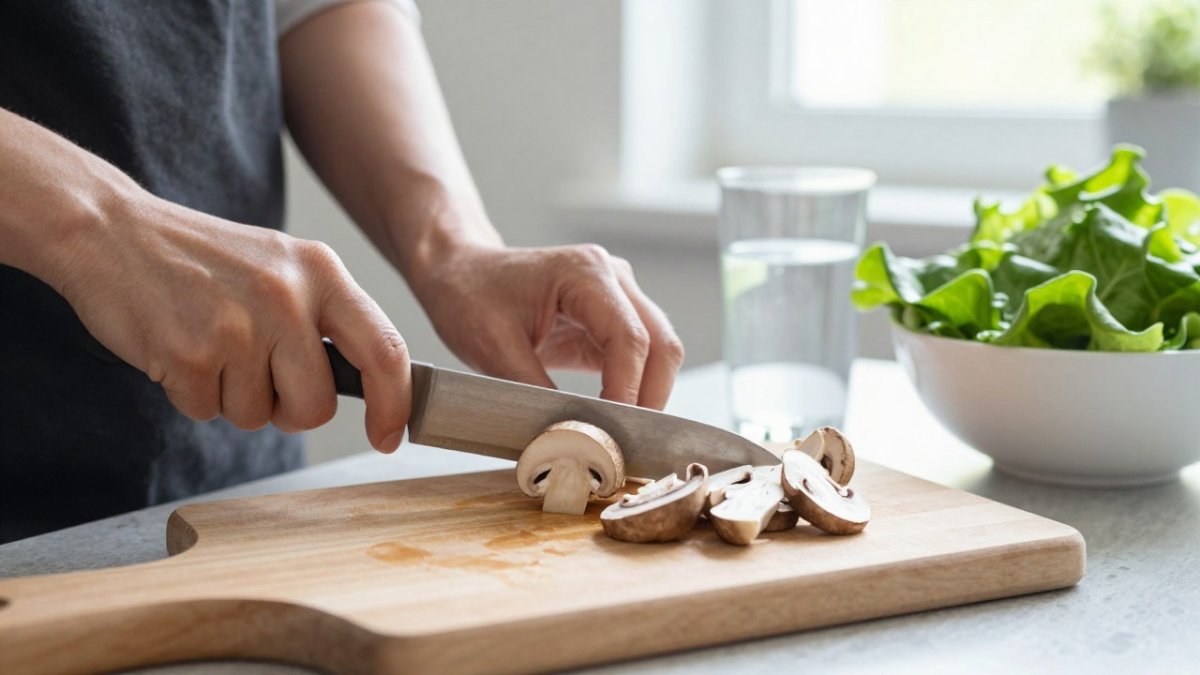
- Pick a mushroom you enjoy. White button and cremini are mild and easy to find.
- Swap one starch. Use sliced mushrooms in place of part of the rice or pasta.
- Add them to eggs. Sauté mushrooms with spinach for a fiber-rich breakfast.
- Bulk up soups and stir-fries. Mushrooms add volume without many carbs.
- Keep portions steady. Pair mushrooms with lean protein and vegetables.
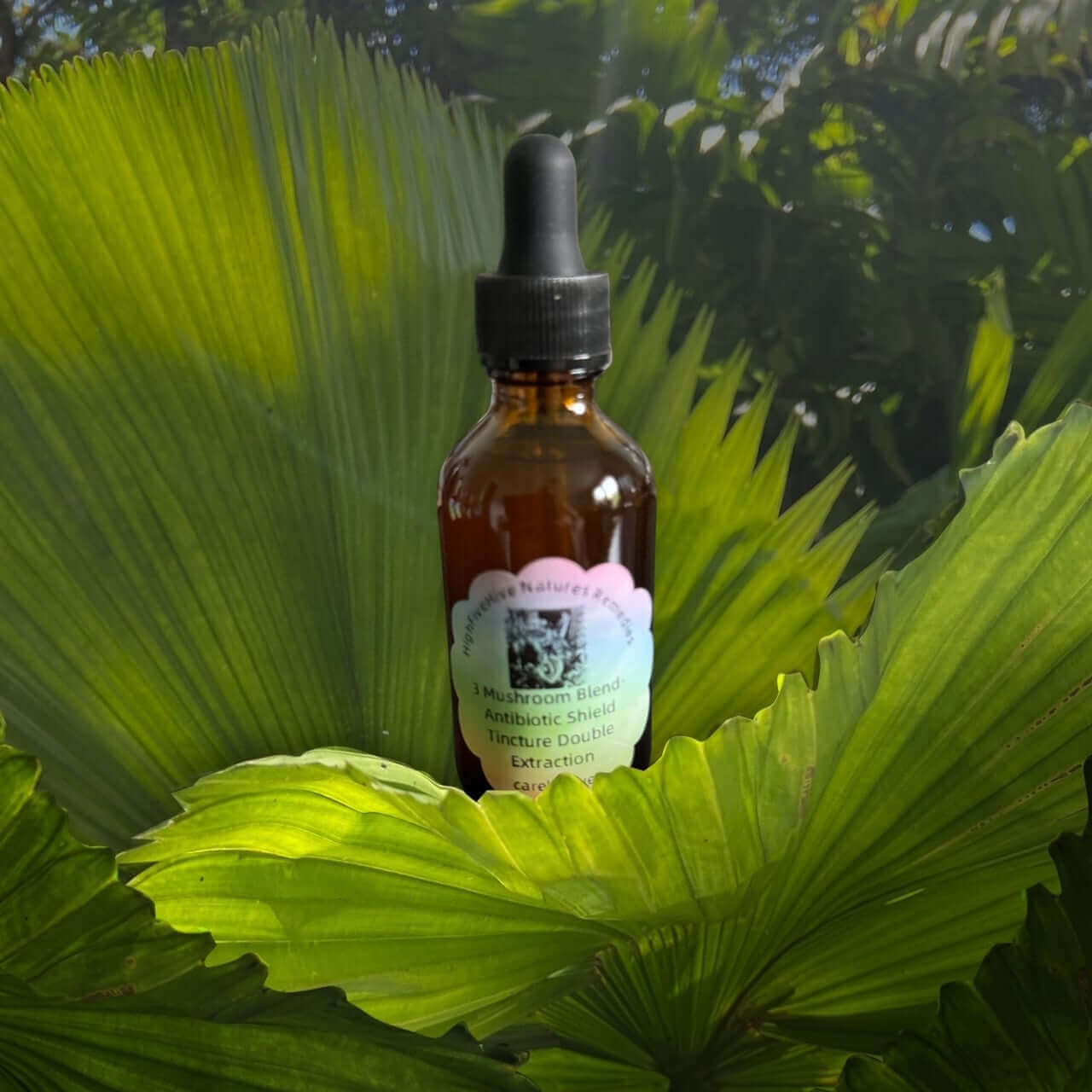
You can also try our Three Mushroom Blend A Double Extraction Tincture if you are interested in a medicinal extract, and review How to Choose Quality Herbal Tinctures: What to Check? before buying.
How to Cook Mushrooms for a Prediabetes-Friendly Meal
Cooking method matters. Heavy cream sauces, butter-soaked dishes and breaded mushrooms add fat and calories that can work against your goals.
- Sauté in a small amount of olive oil
- Season with garlic, herbs and black pepper
- Roast on a sheet pan with vegetables
- Add to salads or grain bowls with protein
Clean mushrooms with a damp cloth rather than soaking them. Store them in a paper bag in the refrigerator and use within about a week.
Medicinal Mushroom Supplements and Blood Sugar: Dosing, Quality and Safety
This is the part most guides skip. If you are considering a medicinal mushroom extract alongside a prediabetes eating plan, the questions that matter are not 'which mushroom is best' but 'what is actually in the bottle, what dose has been studied, and what could go wrong.'
Dosing: what is actually established
For most medicinal mushrooms, an evidence-based dose specific to blood sugar in prediabetes has not been established. That is the honest starting point. Labels often suggest a daily serving, but those servings are set by the manufacturer, not by a regulatory standard, and they vary widely between products. A common pattern is that a tincture, a capsule, and a powder of the same species deliver very different amounts of beta-glucans and other compounds.
Because of that, treat the label dose as a ceiling to discuss with a clinician rather than a target to reach on your own. If you take diabetes medication, this conversation is not optional, see the interaction note below.
Product quality: what to look for
Dietary supplements are regulated as a category of food, not as drugs. The FDA does not review supplement claims for effectiveness before marketing. That means quality control is largely on the manufacturer and, to some degree, on third-party testing.
Signals worth checking on a label:
- Species and part, which mushroom, and whether it is mycelium, fruiting body, or a blend.
- Extraction method, hot water, alcohol, or dual extraction; this affects which compounds are present.
- Beta-glucan content, some products state it; many do not.
- Third-party testing, independent testing for identity, heavy metals, and microbial contamination is a meaningful quality marker.
- Clear contact and lot information, a manufacturer willing to answer questions about sourcing.
Watch out: 'mushroom' blends that list mycelium on grain can contain a large proportion of grain filler by weight, which dilutes the compounds you are paying for.
Safety and interactions
Medicinal mushroom extracts may be well tolerated by some people, but the interaction question is real for anyone on glucose-lowering medication. Because some mushrooms may affect glucose handling, combining an extract with insulin or a sulfonylurea could, in theory, push readings lower than expected. Other considerations include blood-thinning medication (some extracts may affect clotting), immunosuppressants, and any history of mushroom allergy.
Stop use and seek care if you notice an unusual reaction, rash, gastrointestinal upset, dizziness, or unexplained low readings.
Monitoring your individual response
If you and your clinician decide to trial an extract, a cautious approach is to keep everything else in your routine steady for a few weeks, log meals and any glucose readings your provider recommends, and review the log together. A single reading cannot establish a treatment effect, day-to-day variation, meal timing, sleep, and activity all move glucose. The goal is a pattern you can discuss, not a verdict from one number.
A realistic expectation
No supplement replaces the fundamentals of a prediabetes plan: a balanced plate, regular activity, sleep, and the monitoring your care team recommends. Medicinal mushroom extracts are best treated as an optional, carefully chosen add-on, with quality checks, a clinician conversation, and honest expectations about the limits of the evidence.
Mushroom Coffee and Prediabetes: What to Expect
Mushroom coffee blends combine ground mushrooms with coffee or roasted grain alternatives. They are often a lower-caffeine option, but they do not replace the fiber of whole mushrooms, and they have no established effect on blood sugar.
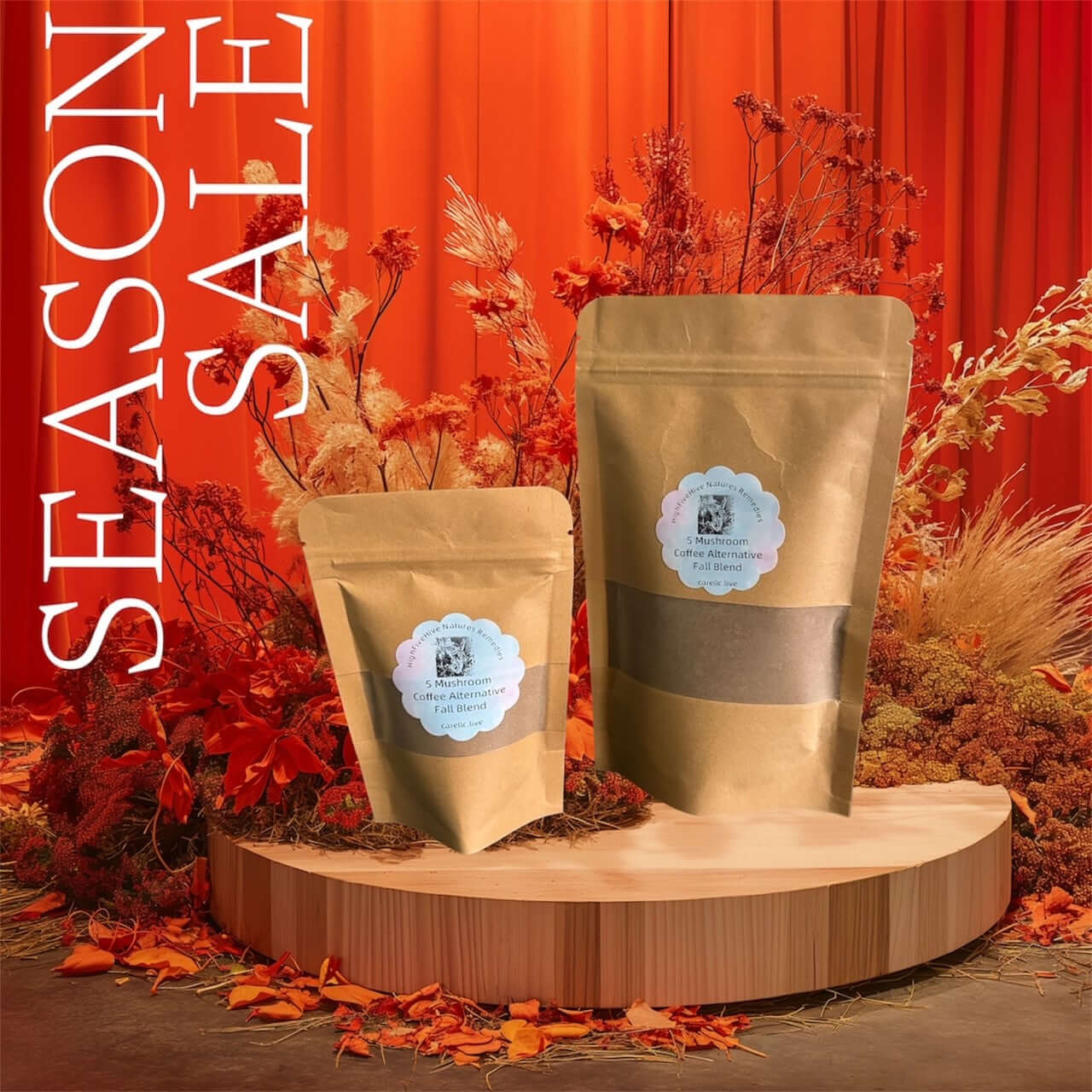
The Earthy Embrace 5 Mushroom Coffee Alternative - Fall Blend brings together reishi, lion's mane, turkey tail and chaga with warming spices. Browse the 5 Mushroom Coffee Alternative Blend collection to compare options.
Your Next Step: Planning a Safe, Realistic Trial With Your Care Team
Adding mushrooms to a prediabetes diet is a reasonable, low-risk step. Expect gradual changes, not dramatic ones. Track your meals and any readings your provider recommends, and bring your questions to your next appointment.
Frequently Asked Questions
Are mushrooms good for someone with prediabetes?
Mushrooms are low in calories and carbohydrates and have a low glycemic index, which is why they are often included in diabetes-friendly eating patterns. Research on edible mushrooms and diabetes is still developing. However, the research is still developing and does not prove that mushrooms prevent or treat prediabetes. Adding mushrooms to balanced meals is a reasonable step, and your care team can help you judge how they fit your overall plan.
Can medicinal mushroom supplements affect blood sugar or medications?
Medicinal mushroom supplements may have effects on blood sugar, and they can interact with diabetes medications or other prescriptions. Because the evidence for supplements is less established than for whole foods, the safest approach is to talk with your doctor, pharmacist or a registered dietitian before starting any product, especially if you take medication. Tell them the exact product, the dose and how often you take it so they can check for potential interactions.
Should people with prediabetes take lion's mane?
Lion's mane is one of several mushrooms studied for possible metabolic benefits, but current human evidence is limited and does not establish a benefit for prediabetes. Supplements vary in quality and concentration, so the product label may not match what is inside. Before deciding, review the potential risks and your current medications with a healthcare professional. Eating lion's mane as a cooked food is generally a lower-risk way to include it in meals than taking a high-dose supplement.
Can mushroom coffee help with prediabetes?
Mushroom coffee blends are typically caffeinated drinks that combine ground coffee or a coffee alternative with mushroom extracts. Their specific effect on blood sugar in people with prediabetes has not been established by strong human research. If you enjoy the drink, it can be a flavorful addition, but it should not replace the eating habits, physical activity and medical monitoring that support blood sugar control. Watch your total caffeine intake and discuss any changes with your care team.


Leave a comment