
How to Choose Quality Herbal Tinctures: What to Check?
Quick Summary
To choose quality herbal tinctures, check the label for the botanical name and plant part, the solvent with its percentage, and the extraction ratio. Also confirm a batch number, a manufacturer you can contact, and any third-party testing. These details let you verify the product rather than rely on marketing claims.
- Check the botanical name and plant part, since common names can hide different species.
- Look for the solvent stated as a percentage, such as 60% ethanol, not just the word alcohol.
- Compare the extraction ratio, such as 1:5, only between products of the same herb and similar solvent.
- Convert serving sizes to milliliters before comparing bottles, because a dropper is not a standard unit.
- Ask whether the producer uses third-party testing and whether results match your batch number.
Table of Contents
- How to Choose Quality Herbal Tinctures: What to Check?
- What Herbal Tinctures Are and How They Are Made
- How to Choose Safe, High-Quality Herbal Extracts
- A Label-Reading Checklist for Herbal Tinctures
- Understanding Concentration, Extraction Ratios and Strength Claims
- Alcohol-Free Herbal Tinctures: Trade-Offs to Weigh
- Your Next Step: Checking Interactions Before You Start a Tincture
- Frequently Asked Questions
How to Choose Quality Herbal Tinctures: What to Check?
Last Updated: November 18, 2026
What Herbal Tinctures Are and How They Are Made
Herbal tinctures are liquid preparations in which plant material is soaked in a solvent, usually alcohol, to draw out its compounds. Choosing a quality herbal tincture starts with knowing how that extraction was done. The quality of the product depends heavily on the plant material, the solvent and the process. (Source: National Center for Complementary and Integrative Health)
A common method is maceration, where dried or fresh herb sits in the solvent for weeks before the liquid is strained. Some producers use a double extraction, which combines a hot water extraction with an alcohol extraction, aiming to capture both water-soluble and alcohol-soluble constituents.
Tinctures Versus Teas and Extracts
A tea uses hot water for a short time, so it captures mainly water-soluble compounds. A tincture uses a stronger solvent over a longer period, which pulls out a wider range of constituents. A standardized extract goes further: it is adjusted to a set concentration of one or more marker compounds, which makes batch-to-batch comparisons more reliable.
For a buyer, this means a tincture is not automatically stronger than a tea. The label's extraction ratio and solvent tell you more than the word "tincture" does.
How to Choose Safe, High-Quality Herbal Extracts
Safety starts before the bottle is opened. Quality herbal extracts should identify the plant by its botanical name, list the part used and state the solvent. Vague labels such as "herbal blend" with no ingredient breakdown are a warning sign.
Look for a batch number and a manufacturer you can contact. A producer should be able to explain where the plant was grown and how it was processed.
Alcohol, Glycerin and Vinegar Solvents Compared
Each solvent changes what ends up in the bottle:
- Alcohol (ethanol): Extracts a broad range of compounds and preserves the product well. It is the traditional choice, but it is not suitable for everyone.
- Glycerin: Produces a sweeter, alcohol-free liquid. It extracts water-soluble compounds more readily, so potency can be lower than an alcohol tincture of the same herb.
- Vinegar: Used in some traditional preparations. It extracts certain minerals and acids well but is less common in commercial products and has a shorter shelf life.
Neither alcohol nor glycerin is universally better. Choose based on which compounds the herb is known for and whether you need to avoid alcohol.
A Label-Reading Checklist for Herbal Tinctures
Most guides hand you a list of label items and stop there.
1. Botanical name and plant part. The common name is not enough.
**2.
3. Extraction ratio. This is written as herb weight to solvent volume, such as 1:5 (1 part herb to 5 parts solvent) or 1:2 (a stronger preparation).
4. Serving size and servings per container. A dropper is not a standard unit. One product's "1 dropperful" may be 0.5 mL and another's 1 mL.
5. Batch number and date. A batch or lot number lets the maker trace your bottle to a specific production run.
6. Manufacturer identity and contact. A physical address, a phone number, or a working contact form signals a company prepared to answer questions.
**7.
How to use the checklist as a decision tool. Score each bottle on the seven items. A product that supplies all seven is giving you enough to make an informed choice. A product missing one item may still be fine. A product missing three or more, especially the botanical name, solvent percentage, or batch number, is asking you to trust claims you cannot check. In a side-by-side comparison, the bottle with more verifiable detail wins even if its marketing is quieter.
Watch out: a label can list every item and still be vague.
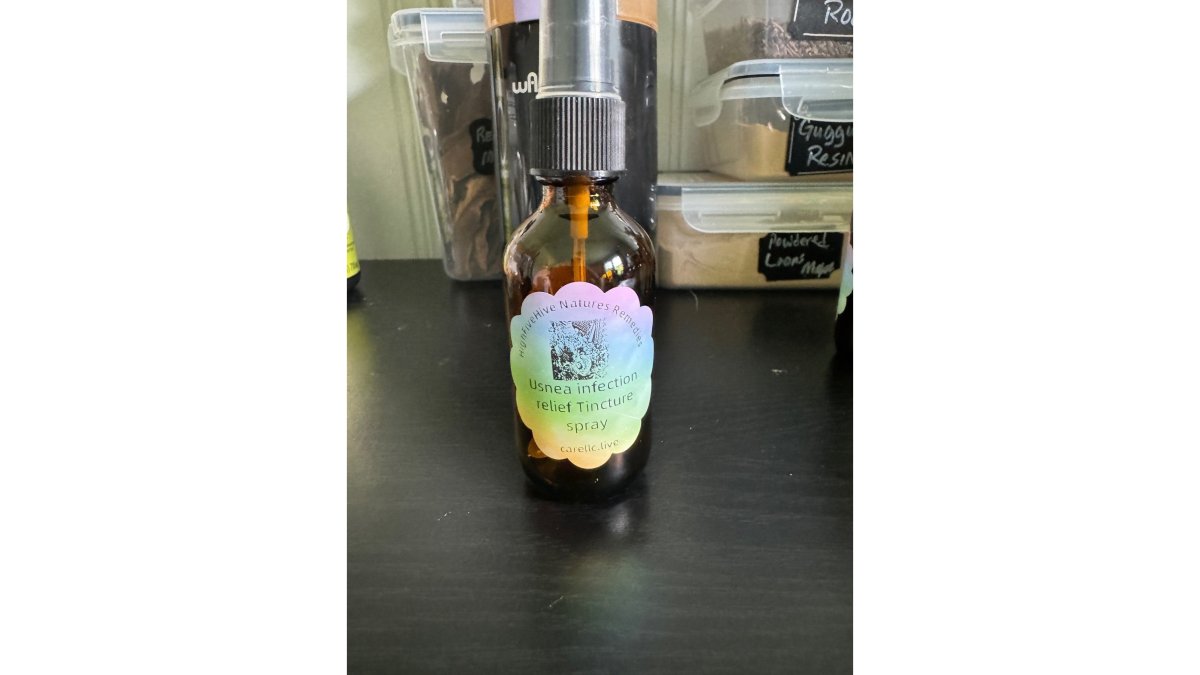
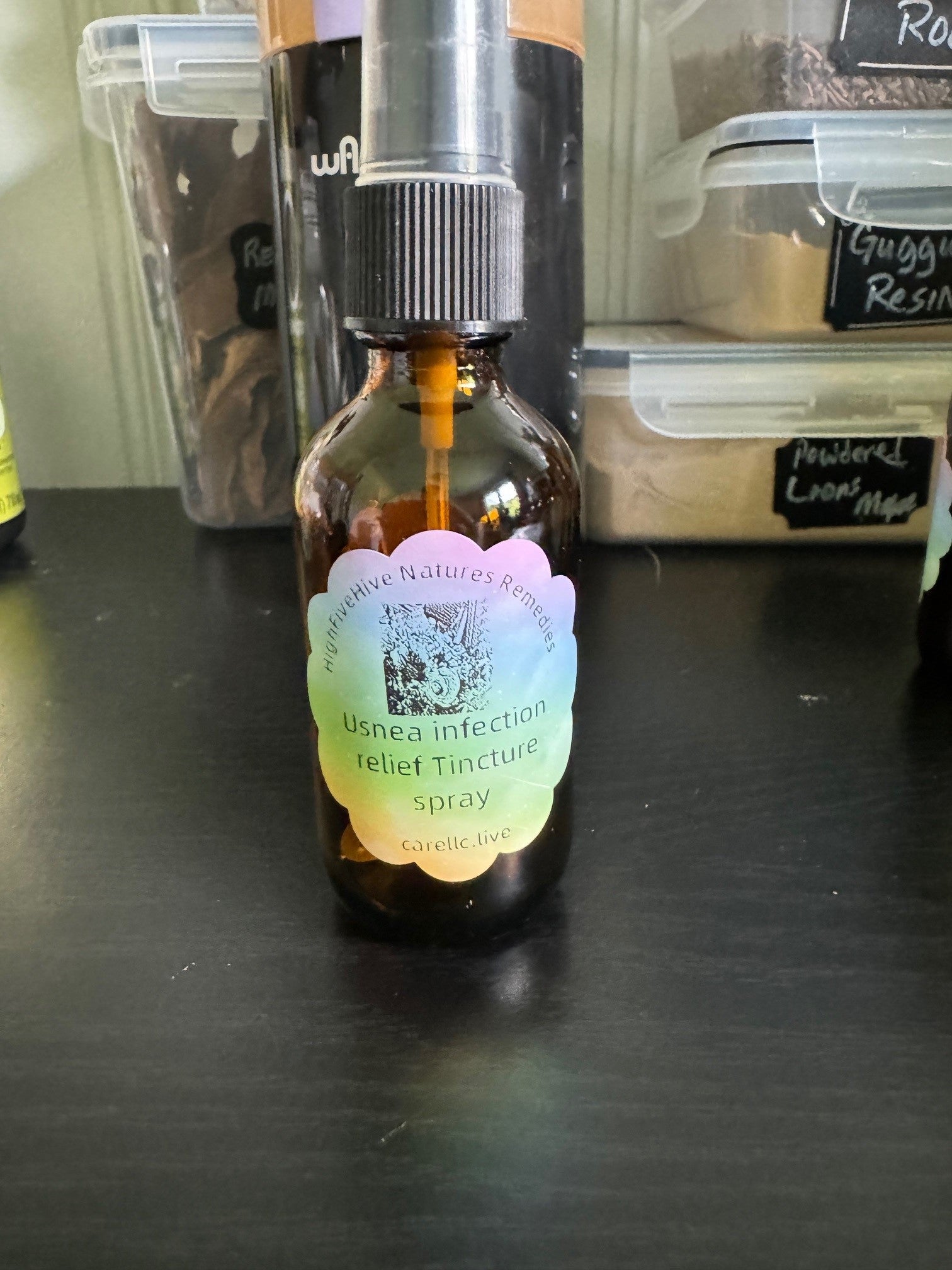
If you want to see how a double-extraction product presents these details, the Wildwood Usnea Double Extraction Spray lists its botanical name, solvent and water content on the label, which makes it a useful reference point.
(https://pmc.ncbi.nlm.nih.gov/articles/PMC10561302/).Ask whether the producer uses third-party testing and whether results are available for each batch. You can read how sourcing quality standards are evaluated in Evaluating Quality Standards for Herbal Remedy Sourcing. A certificate of analysis that matches the batch number on your bottle is a stronger signal than a general claim of "lab tested."
Traceability matters too. Knowing where the plant was grown and how it was handled helps you judge contamination risk. Quality herbal product sourcing should be documented, not assumed.
Understanding Concentration, Extraction Ratios and Strength Claims
Strength is the hardest claim on a tincture label to evaluate, and most guides skip the explanation. Here is the working framework.
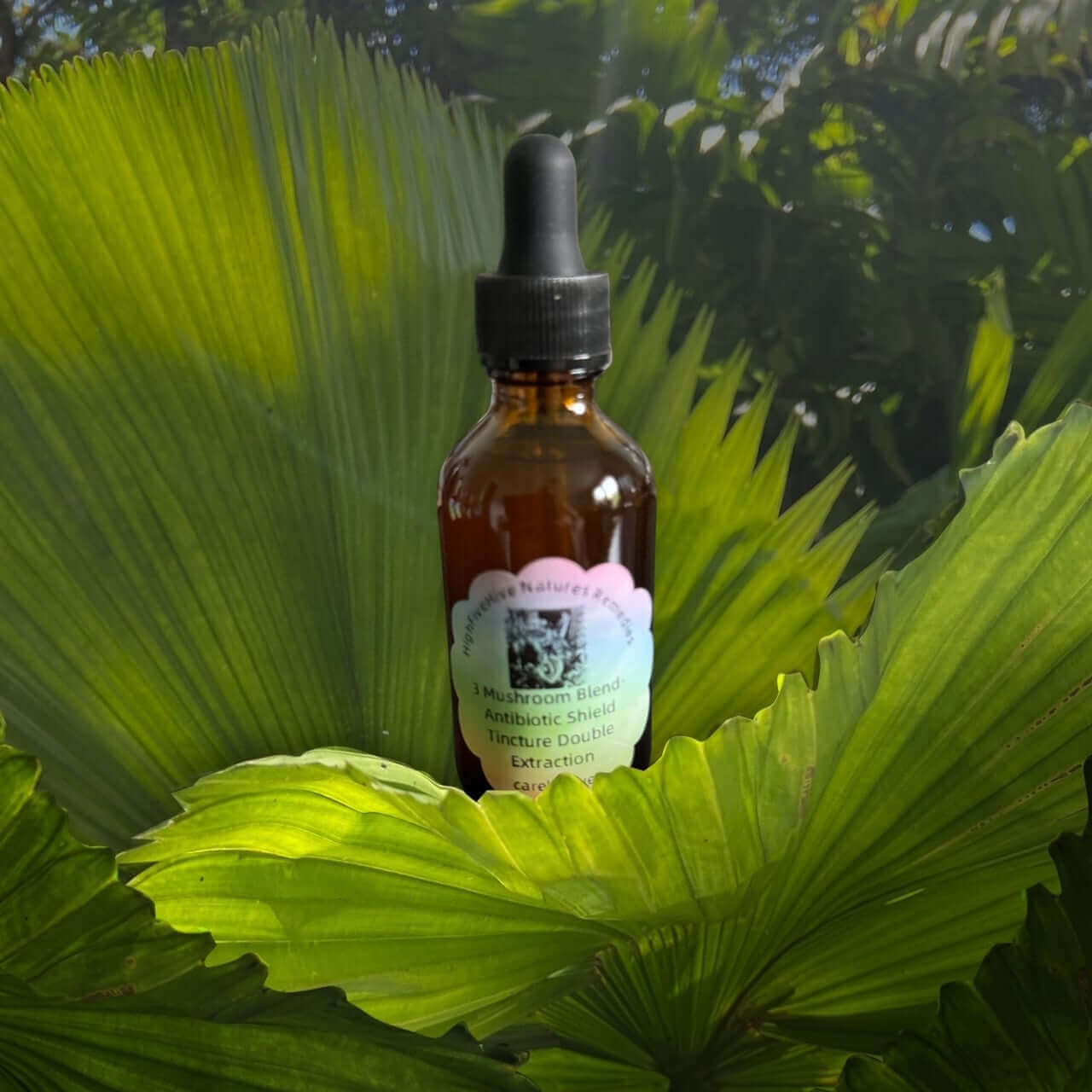
What the ratio notation means. An extraction ratio is written as herb weight to solvent volume. A 1:5 ratio means 1 part herb (by weight) was extracted with 5 parts solvent (by volume). You can see how a double-extraction mushroom tincture presents its ratio and solvent on the Three Mushroom Blend double extraction tincture.
Why ratios alone do not establish equivalent strength. Three things break the simple comparison. First, different herbs have different constituent levels to begin with, so a 1:2 extract of a mild herb may deliver less of a target compound than a 1:5 extract of a potent one. Second, the solvent percentage changes what is extracted: a 60% ethanol preparation pulls a different profile than a 30% ethanol one, even at the same ratio. Third, fresh-herb and dried-herb ratios are not directly comparable, because fresh plant material contains water that counts toward its weight.
How to compare two products in practice. Follow this sequence:
- Confirm the same botanical name and plant part. Different species or parts are different products, regardless of ratio.
- Note the solvent percentage. If one is 60% ethanol and the other is 30%, the extraction profiles differ before you get to ratio.
- Compare the ratio, but only between products of the same herb and similar solvent.
- Convert the serving to a common unit. If one label says 1 mL and another says 0.5 mL, multiply the smaller serving by two before comparing.
- Multiply serving volume by the ratio's herb fraction to estimate herb weight per serving. For a 1:5 tincture, 1 mL of finished liquid represents roughly 0.2 g of herb; for a 1:2 tincture, 1 mL represents roughly 0.5 g. These are estimates, not exact assays, but they let you compare two bottles on the same footing.
- Check for a standardized marker. A product that states a marker compound and its amount per serving gives you a direct, measurable comparison point that a ratio cannot.
Reading strength claims critically. "Extra strength," "super concentrated," and "high potency" are marketing terms without a defined meaning on a tincture label. A claim becomes checkable only when it is paired with a ratio, a solvent percentage, a serving size, or a standardized marker.
A worked comparison. Suppose Bottle A is a 1:5 tincture with a 1 mL serving and Bottle B is a 1:2 tincture with a 0.5 mL serving, both of the same herb and similar solvent. Bottle A delivers roughly 0.2 g of herb per serving. Bottle B delivers roughly 0.25 g per serving. Bottle B is more concentrated per milliliter, but the per-serving difference is smaller than the ratio numbers alone suggest. That is why you compare per serving, not per bottle or per drop.
A useful approach is to match the ratio to the dose on the label and avoid choosing solely on a bold potency claim.
Watch out: a very high ratio number is not automatically better. A 1:10 preparation may be appropriate for a potent herb where a smaller amount of plant material is intended per dose. Concentration is a design choice, not a quality ranking.
Alcohol-Free Herbal Tinctures: Trade-Offs to Weigh
Many buyers want an alcohol-free option, whether for personal reasons or because of a health condition. Glycerin-based tinctures meet that need, but they trade some extraction efficiency for the absence of alcohol. Potency and shelf life can differ from alcohol-based products.
If you choose an alcohol-free product, compare the extraction method and ratio just as carefully. A glycerin tincture with a clear ratio and tested batch can be a better buy than a vague alcohol product.
The Turkey Tail Mushroom of Tradition Double Extracted Tincture is an alcohol-based product, so buyers who want to avoid alcohol should compare it against a glycerin option before deciding.
Your Next Step: Checking Interactions Before You Start a Tincture
Herbal tinctures can interact with prescription medicines and affect people with certain conditions. Before starting any tincture, review the full label, including its warnings, and speak with a qualified healthcare professional, especially if you are pregnant, nursing, managing diabetes or taking immunosuppressants.
This is general information, not individual medical advice. The Food and Drug Administration has not evaluated these statements, and a qualified professional can tell you whether a specific product is appropriate for your situation.
Frequently Asked Questions
How can you tell if an herbal tincture is high quality?
Look for a full botanical name, the plant part used, the solvent, the extraction ratio and a batch number on the label. Check whether the maker publishes a certificate of analysis or third-party test results covering contaminants such as heavy metals and pesticide residues. Clear sourcing details and consistent labeling are good signs, while vague claims about potency without supporting data are a reason to look elsewhere. Quality is about verifiable information, not marketing language.
What is the difference between a tincture and an extract?
A tincture is a liquid preparation made by soaking plant material in a solvent, usually alcohol, water or a mix, so that many of the plant's constituents dissolve into the liquid. Extracts are more concentrated preparations that may be standardized to a specific compound. Both can be useful, but they differ in strength and consistency, so compare labels for the solvent, ratio and any standardization claims before deciding which fits your needs.
Are alcohol-free herbal tinctures as effective as alcohol-based tinctures?
Alcohol extracts many plant constituents well, while glycerin and water extract some compounds less completely. That means an alcohol-free product may differ in strength and in which constituents it contains, so results can vary. Check the solvent on the label and the extraction method. If you avoid alcohol for personal or health reasons, choose a product that names its solvent clearly and discuss it with a qualified professional.
Can herbal tinctures interact with medications?
Yes, herbal products can interact with prescription and over-the-counter medications, and the safety record of many herbs is incompletely studied. This matters most for people managing diabetes, taking blood thinners or using immunosuppressants. Bring the full product label and a list of your medications to your doctor or pharmacist before starting a new tincture, and stop use and seek care if you notice an adverse reaction.


Leave a comment