
How to Start Kitchen Herbalism: A Beginner's Guide
Table of Contents
- Why Start Kitchen Herbalism Now
- Essential Kitchen Herbs for Beginners
- How to Make Herbal Infusions at Home
- Safety Guidelines for Kitchen Herbalism
- Sourcing, Storing, and Labeling Your Herbs
- Building Your Herbal Starter Kit
- Common Mistakes to Avoid When Starting Out
- Integrating Herbs Into Your Daily Routine
Last Updated: August 30, 2026
Why Start Kitchen Herbalism Now
Kitchen herbalism is the practice of using culinary and medicinal plants from your own home to support wellness, boost immunity, and address everyday health concerns. What makes this approach different from buying pre-made supplements is that you control the quality, freshness, and potency of every herb you use.

More people are reclaiming agency over their health by learning to work with plants directly. When you start kitchen herbalism, you're tapping into centuries of traditional knowledge while building a practice grounded in real understanding of how herbs work in your body. Many practitioners find that starting small, with just five essential herbs, creates momentum and builds confidence over time.
Essential Kitchen Herbs for Beginners
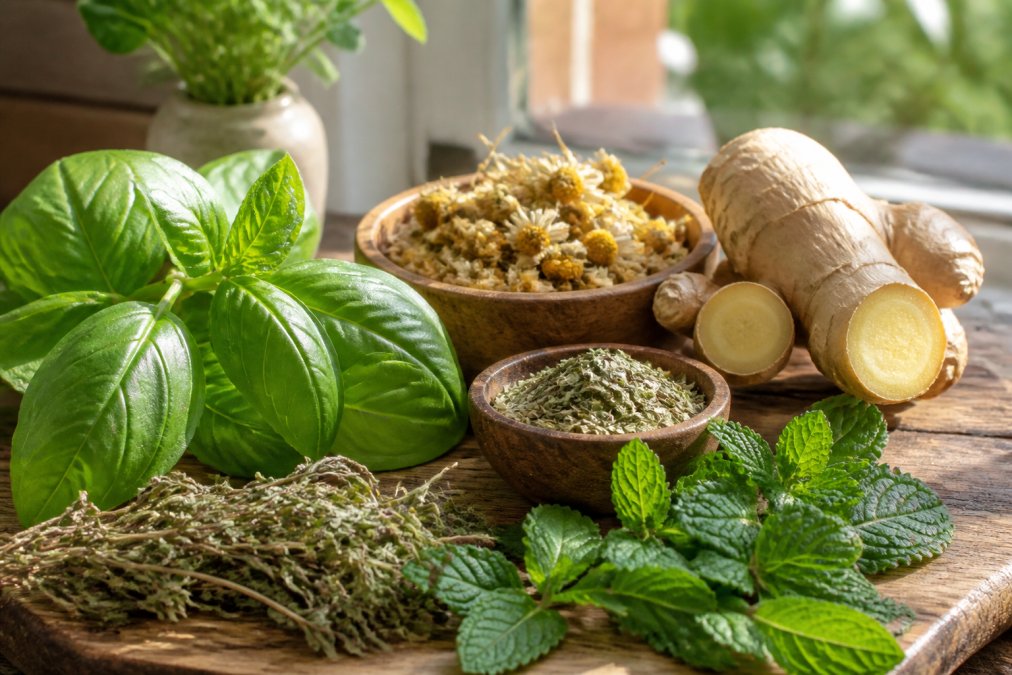
The foundation of kitchen herbalism rests on mastering a small number of reliable, versatile botanicals. These five herbs appear in both culinary dishes and traditional herbal preparations, making them practical for everyday use.
Peppermint supports digestive comfort and mental clarity. Use fresh or dried leaves steeped as an infusion, or add to cooking. Ginger is a warming root that aids digestion and provides comfort during inflammatory responses. Fresh ginger can be sliced into hot water, added to soups, or dried and powdered. Chamomile flowers are traditionally used to promote relaxation and restful sleep and are gentle enough for daily use. Turmeric is a golden root that many use for joint comfort and overall wellness support, and works best combined with black pepper, which enhances absorption. Dandelion leaf is mineral-rich and traditionally used to support liver function and digestion. You can harvest it fresh or source it dried.
These five create a solid foundation. Once comfortable with them, you can expand into others like lemon balm, ashwagandha, or valerian.
Culinary vs. Medicinal Herbs: What's the Difference
A culinary herb is one you use in cooking; a medicinal herb is one you prepare specifically for therapeutic purposes. Many herbs are both. Ginger works as a culinary spice and as a medicinal preparation. The difference lies in quantity and extraction method. A pinch of dried ginger in your soup is culinary. A strong ginger decoction, simmered for 15-20 minutes, is medicinal.
When you use medicinal intent, you're using higher concentrations and specific preparation techniques designed to extract the most bioavailable compounds. Culinary use is preventive and gentle. Medicinal use is targeted and concentrated. Both have value. Understanding which you're doing prevents confusion about dosage and expectations.
How to Make Herbal Infusions at Home
An infusion is the simplest herbal preparation: hot water poured over dried or fresh herbs, steeped, then strained. Infusions work best with leaves and flowers; they're less effective for roots and bark, which require longer extraction.
The basic ratio is one teaspoon of dried herb (or one tablespoon of fresh) per eight ounces of hot water.
Basic Infusion Steps
-
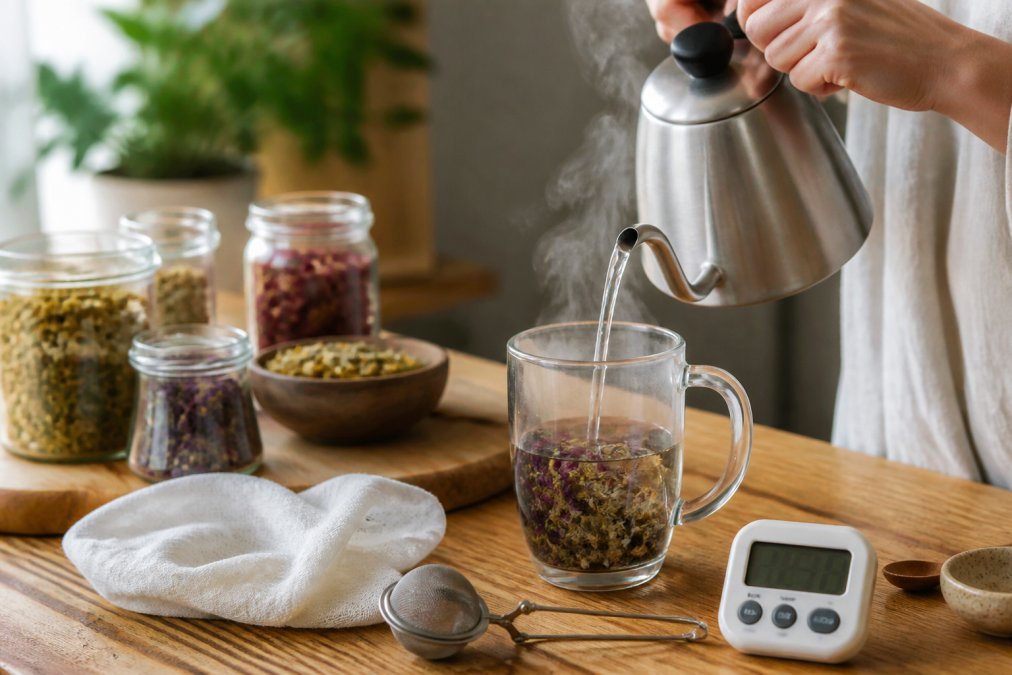
Heat water to just below boiling (200-210°F). Boiling water damages delicate volatile oils in some herbs like peppermint.
-
Pour hot water over your dried or fresh herbs in a cup, mug, or teapot. Use a tea infuser, cheesecloth, or fine sieve to contain the plant material.
-
Steep for 5-10 minutes. Leaves and flowers typically need 5-8 minutes. Roots and bark need longer (covered, 15-20 minutes minimum).
-
Strain thoroughly using cheesecloth or a fine sieve. Remove all plant material to prevent over-extraction, which creates bitterness.
-
Drink while warm or let cool and refrigerate. Most infusions stay fresh in the refrigerator for 24-48 hours.
A common mistake is steeping too long. Over-steeped infusions become astringent and unpleasant. Five to eight minutes is usually optimal.
Tinctures and Decoctions for Deeper Extraction
Tinctures use alcohol (typically 40-proof vodka or higher) to extract plant compounds that water cannot access. Tinctures are concentrated: you use 1-2 teaspoons mixed into water or tea. They're ideal for roots, bark, and seeds. The process takes 2-4 weeks of maceration, but the result is shelf-stable for years.
Decoctions are the water-based alternative for hard plant material. You simmer roots, bark, or seeds in water for 15-30 minutes, then strain. Decoctions extract minerals and compounds that require heat and time.
For most beginners, infusions are enough. But understanding these methods expands what you can do as you progress.
Safety Guidelines for Kitchen Herbalism
Herbs are powerful, and power requires respect. Start with well-known, thoroughly researched herbs like peppermint, chamomile, ginger, and dandelion, which have centuries of use and minimal risk profiles. Avoid rare or exotic herbs until you understand how your body responds to common ones.
Sourcing matters enormously. Buy from reputable suppliers who test for contaminants, pesticides, and heavy metals. Wildcrafting (harvesting wild plants) is rewarding but requires expert plant identification.
Dosage is critical. More herb does not equal more benefit. Start low: a small cup of mild infusion daily. Observe how you feel for a week before increasing. Keep detailed records of what herb you used, how you prepared it, how much you took, and how you felt. Over months, patterns emerge.
Contraindications and Interactions
Certain herbs interact with medications or conditions. Ginger has mild blood-thinning properties, important if you're on anticoagulants (the NIH). St. John's Wort reduces the effectiveness of birth control. Before starting any new herbal preparation, consult with a qualified healthcare provider, especially if you take medications or have chronic health conditions.
Pregnancy and nursing require special care. Never assume an herb is safe during pregnancy or while nursing. Research thoroughly or consult a qualified practitioner.
Allergies are real. If you're allergic to ragweed, you may react to chamomile (same plant family) (the NIH). Start with small amounts of new herbs to test your response.
Sourcing, Storing, and Labeling Your Herbs
Where you get your herbs determines their quality and safety. Specialty herbal suppliers, local apothecaries, and online retailers focused on medicinal herbs typically offer fresher, more potent material than grocery stores.
Look for suppliers who provide harvest dates, plant part used, country of origin, and third-party testing results for contaminants.
Dried herbs stay potent for about one year if stored properly (peer-reviewed research). Storage best practices: Keep herbs in airtight glass containers in a cool, dark place away from direct sunlight. Avoid moisture and keep herbs away from heat sources and strong-smelling foods. Label everything with the herb name, date acquired, and date opened.
Building Your Herbal Starter Kit
You don't need much to begin. A well-chosen starter kit costs less than most people spend on supplements monthly.
Essential equipment:
- Five to seven dried herbs (peppermint, ginger, chamomile, dandelion, turmeric, lemon balm, ashwagandha)
- Two or three glass mason jars for storage
- One fine-mesh sieve or tea infuser
- One small pot or kettle for heating water
- Cheesecloth for straining
- Labels and permanent marker
You don't need fancy equipment, expensive tools, or a dedicated apothecary space. A kitchen shelf and basic supplies are enough.
Many people find value in HighFiveHive Nature's Remedies-Kitchen Herbalism's curated collections. The Artisan Woman's Collection includes seven botanicals specifically selected for women's wellness at $118.00. For those focused on metabolic support, the SlimRoots Kitchen Herbalism Weight Tea Blend ($22.99) offers an RN-formulated preparation you can use immediately while building your broader practice.

As you progress, you might add a small scale for precise dosing, bulk cheesecloth, additional herbs, or a journal for tracking responses. But start minimal.
Common Mistakes to Avoid When Starting Out
Mistake 1: Expecting immediate results. Herbs work gradually. Give preparations at least two weeks of consistent use before evaluating.
Mistake 2: Using poor-quality herbs. Cheap, old herbs from questionable sources won't deliver results. Invest in quality.
Mistake 3: Ignoring preparation method. Steeping a root herb like ginger for five minutes won't extract much. Roots need simmering or longer maceration.
Mistake 4: Over-dosing. Taking three cups of herbal infusion daily when one would suffice doesn't accelerate results.
Mistake 5: Mixing too many herbs at once. Master individual herbs first, then combine them thoughtfully.
Mistake 6: Neglecting contraindications. Check whether an herb interacts with your medications or conditions before you begin.
Mistake 7: Storing herbs improperly. Proper storage is simple but critical to maintaining potency.
Integrating Herbs Into Your Daily Routine
The real power of kitchen herbalism emerges when it becomes routine. One cup of herbal infusion daily is more effective than sporadic use of larger amounts.
Morning routine: Start with a warming herb like ginger or turmeric to support digestion and provide gentle energy. Afternoon routine: A midday cup of peppermint infusion aids digestion and clears mental fog. Evening routine: Chamomile or lemon balm infusion 30-60 minutes before bed signals your body that rest is coming.
Weekly practice: Once weekly, prepare a larger batch of infusion (a quart) and refrigerate it. Use it throughout the day in small amounts.
The Herbal Harmony Blend Quiet Moments ($24.95) from HighFiveHive Nature's Remedies-Kitchen Herbalism offers a pre-formulated tincture combining lemon balm, passionflower, chamomile, and valerian, ideal for those who want professional preparation without mixing their own.

Integration also means adjusting seasonally. In winter, warming herbs like ginger dominate. In summer, cooling herbs like peppermint and chamomile feel more appropriate. After three months of consistent practice, review your notes. Which herbs produced noticeable effects? Build your long-term practice around what actually works for you.
Kitchen herbalism puts natural wellness support directly in your hands. The knowledge, the tools, and the plants are accessible. What's missing for most people is confidence and guidance from someone who understands both the science and the practice.
HighFiveHive Nature's Remedies-Kitchen Herbalism brings 40 years of nursing expertise to this work. When you're ready to move beyond basic infusions into targeted preparations for blood sugar support, women's wellness, or immune resilience, that professional foundation makes the difference. The Tranquil Zest Five Herb Botanical Extract ($22.95) delivers a carefully formulated tincture you can trust. Start your practice with confidence, begin with the basics, then deepen it with guidance from someone who's spent four decades in nursing and herbalism.
Frequently Asked Questions
Q: What's the difference between culinary herbs and medicinal herbs used in kitchen herbalism?
A: Culinary herbs like basil and oregano enhance flavor and contain beneficial compounds but are used in cooking amounts. Medicinal herbs are prepared in concentrated forms, infusions, tinctures, or decoctions, to deliver therapeutic potency. Many herbs work in both roles: chamomile flavors tea and supports relaxation. The distinction lies in preparation method and dosage, not the plant itself. Kitchen herbalism bridges both by using whole botanicals from your pantry in purposeful preparations.
Q: How do I know if an herbal remedy is safe to use alongside my current medications?
A: Some herbs can interact with medications, particularly blood thinners, diabetes medications, and certain psychiatric drugs. Before starting any herbal preparation, discuss it with your doctor or pharmacist, they can check for contraindications specific to your situation. RN-led approaches like those at HighFiveHive Nature's Remedies provide professional guidance that accounts for your full health picture. Never assume an herb is safe just because it's natural; always verify with your healthcare provider first.
Q: What herbs should I buy first to start kitchen herbalism on a budget?
A: Begin with versatile, affordable dried herbs: chamomile, peppermint, ginger, and lemon balm. These are inexpensive, shelf-stable for months, and support common wellness goals. Buy from reputable suppliers in bulk sections or quality herbal retailers to keep costs low. A basic starter kit doesn't require expensive equipment, mason jars, cheesecloth, and a strainer are sufficient. Products like SlimRoots Kitchen Herbalism Weight Tea Blend ($22.99) or The Artisan Woman's Collection ($118.00) offer RN-formulated blends if you prefer guided, professional combinations.
Q: How long does it take to notice benefits from kitchen herbalism?
A: Results vary by herb and individual health status. Some effects appear quickly: chamomile may promote relaxation within days of regular use. Others, like immune or metabolic support, typically require consistent use over 4-8 weeks to become noticeable. Chronic concerns like joint discomfort or hormonal balance often need longer commitment. Keep a simple journal noting when you began and any changes you observe. Professional guidance from an RN can help you set realistic timelines based on your specific goals.
This article was written using GrandRanker


Leave a comment