
Kitchen Herbs for Insulin Sensitivity: A 2026 Guide
Table of Contents
- What Is Insulin Resistance and Why Kitchen Herbs Matter
- Natural Ways to Improve Insulin Sensitivity
- Herbs for Blood Sugar Control: What the Research Shows
- Culinary Integration: Kitchen Herbs for Insulin Sensitivity in Daily Meals
- Safety of Herbal Supplements for Blood Sugar
- How Long Until You See Results from Kitchen Herbs for Insulin Sensitivity
- Conclusion
- Frequently Asked Questions
Last Updated: September 22, 2026
What Is Insulin Resistance and Why Kitchen Herbs Matter
Insulin resistance is a condition in which the body's cells respond poorly to insulin, the hormone that moves glucose from the bloodstream into cells for energy. When cells stop responding, the pancreas compensates by producing more insulin, and over time this cycle can push fasting blood sugar and HbA1c upward. (Source: CDC's prediabetes and lifestyle guidance)
Natural Ways to Improve Insulin Sensitivity
The most effective natural ways to improve insulin sensitivity combine food, movement, and sleep before they reach for a supplement. Herbs work best as part of that foundation, not as a shortcut around it. A common mistake is treating a single "magic" spice as the whole plan.
- Build meals around low-glycemic index foods like beans, oats, and non-starchy vegetables
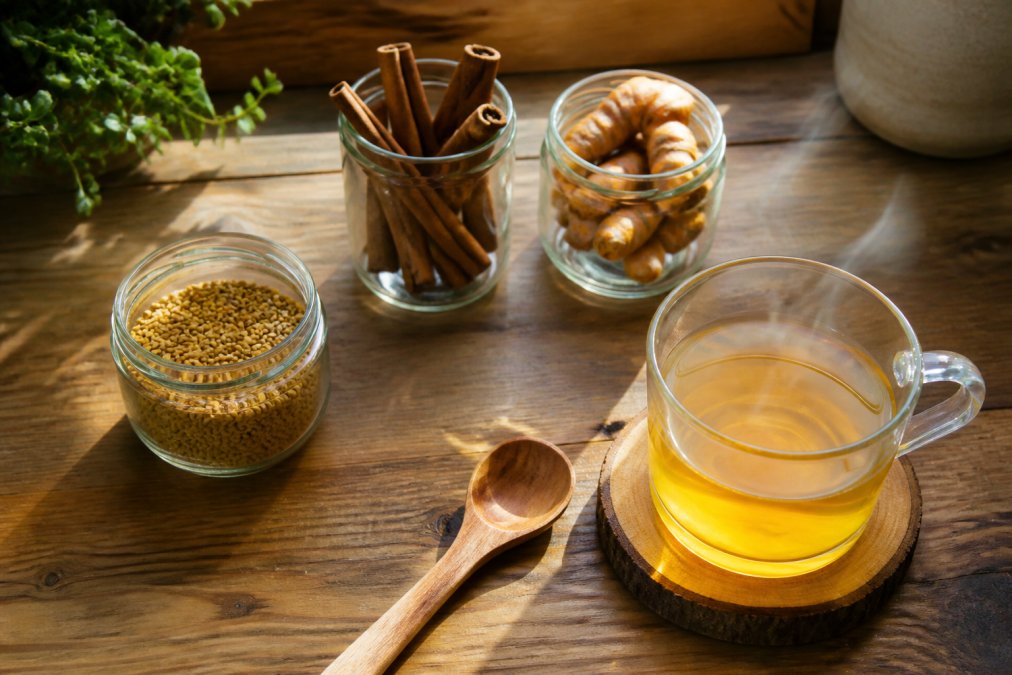
- Add cinnamon, turmeric, and fenugreek to meals you already cook
- Walk for 10-15 minutes after eating to help muscles take up glucose
- Prioritize 7-8 hours of sleep, since poor sleep raises cortisol and worsens glycemic control
- Manage stress with breathing, walking, or an adaptogenic tea such as holy basil
Herbs for Blood Sugar Control: What the Research Shows
The three most studied kitchen herbs for blood sugar control are cinnamon, turmeric, and fenugreek. Each has a different mechanism: cinnamon appears to support insulin signaling, turmeric targets inflammation and oxidative stress, and fenugreek may slow glucose absorption in the gut. None is a substitute for prescribed treatment.
Cinnamon
Cinnamon is a warming spice whose compounds may mimic insulin action and help cells take up glucose more efficiently. It is the easiest herb to add daily: stir half a teaspoon into oatmeal, coffee, or tea.
Turmeric
Turmeric contains curcumin, studied for its effects on inflammation and oxidative stress, both of which are tied to insulin resistance. Black pepper boosts absorption, which is why our Golden Spice Herbal Brew pairs turmeric with black pepper.

Fenugreek
Fenugreek seeds contain soluble fiber and compounds that may slow carbohydrate absorption and support pancreatic beta-cell function. They taste faintly of maple, so they work well in tea and savory dishes.
| Herb | Best For | Typical Daily Use | Watch For |
|---|---|---|---|
| Cinnamon | Everyday glucose support | 1/2 to 1 tsp | Blood thinners |
| Turmeric | Inflammation and oxidative stress | 1/2 to 1 tsp with pepper | Gallbladder issues |
| Fenugreek | Slower carb absorption | 1-2 tsp seeds | Blood sugar medications |
Culinary Integration: Kitchen Herbs for Insulin Sensitivity in Daily Meals
The most sustainable way to use kitchen herbs for insulin sensitivity is to cook them into meals you already eat, rather than treating them as a separate "health" ritual. Flavor is the delivery system, and consistency beats intensity. But consistency only helps if what you are cooking with is actually potent and clean, which is why sourcing belongs in this section, not buried in a footnote.
Simple Daily Integrations
- Morning: Stir 1/2 teaspoon of cinnamon into oats, yogurt, or coffee. Add 1 teaspoon of ground flax for fiber.
- Lunch: Add 1/2 teaspoon of turmeric plus a pinch of black pepper to soups, rice, or roasted vegetables. The pepper improves curcumin absorption.
- Dinner: Simmer 1 to 2 teaspoons of fenugreek seeds into lentils, stews, or curry. Soak them first to soften the bitterness.
- Evening: Brew a caffeine-free herbal tea such as Ruby Glow Nettle Hibiscus & Spice, which blends fenugreek and cinnamon.
Our Synergy Spice tea, a loose-leaf blend of bay, cinnamon, and oregano, is an easy way to get a warming, low-calorie cup alongside meals. Brew it for 5-7 minutes and sip it with dinner rather than after dessert. (Source: National Institutes of Health (NIH) database)

Quality and Sourcing: How to Tell a Potent Herb from a Weak One
This is the part most articles leave out. A teaspoon of stale, irradiated, or adulterated powder will not do what a fresh, well-sourced herb does, and in the supplement aisle, the difference is often invisible.
What to look for:
- Whole over ground. Whole cinnamon sticks, whole turmeric root, and whole fenugreek seeds retain volatile oils far longer than pre-ground powders. Grind or grate as you use them.
- Ceylon vs. cassia cinnamon. Ceylon cinnamon (often labeled "true cinnamon") has much lower coumarin levels than cassia. If you use cinnamon daily, Ceylon is the safer long-term choice.
- Country of origin and harvest date. Reputable sellers list where the herb was grown and when it was harvested or packed. Vague labels are a warning sign.
- Third-party testing. Look for a certificate of analysis (COA) or a seal from an independent testing lab. This is your best evidence that the product is free of heavy metals, pesticides, and fillers.
- Loose-leaf over dust. In tea, whole leaves and visible pieces signal better quality than fine dust or fannings.
- Smell and taste. A fresh, potent herb smells strong when you open the jar. If it smells like dust, it has lost most of its active compounds.
- Avoid proprietary blends that hide amounts. If a label lists "herbal blend" without individual quantities, you cannot judge dose or interaction risk.
A Note on Extracts vs. Culinary Amounts
Concentrated extracts and capsules deliver far more of a compound than a spoonful of spice. That can be useful, but it also raises the interaction and side-effect risk described in the safety section above. For most readers, culinary amounts used daily are the safer starting point, and extracts should be a conversation with a clinician, not a DIY upgrade.
SlimRoots Kitchen Herbalism Weight Tea →
Safety of Herbal Supplements for Blood Sugar
The safety of herbal supplements for blood sugar depends less on the herb and more on the dose, the source, and what else you take. Herbs are not inert. They contain active compounds that can add to, subtract from, or interfere with the medications you already take. This is the section most articles skip, and it is the one that matters most if you are on prescription glucose-lowering therapy.
Drug-Herb Interactions You Need to Know
If you take metformin, insulin, a sulfonylurea (such as glipizide or glyburide), or a meglitinide (such as repaglinide), your blood sugar is already being actively lowered by medication. Adding a herb that also lowers glucose can stack the effect and push you into hypoglycemia, shakiness, sweating, confusion, and in serious cases, loss of consciousness.
A practical interaction map:
- Cinnamon (especially cassia): May add to the glucose-lowering effect of insulin and oral diabetes drugs. High daily doses of cassia also deliver coumarin, which can stress the liver and thin the blood, a real concern if you take warfarin or another anticoagulant.
- Fenugreek: Contains soluble fiber and compounds that slow carbohydrate absorption. Combined with insulin or a sulfonylurea, it can amplify a low. Fenugreek may also interact with blood thinners.
- Turmeric (curcumin): Generally well tolerated at culinary doses, but concentrated extracts can interact with blood thinners and may interfere with some chemotherapy agents. High doses can irritate the gallbladder.
- Gymnema: Traditionally used to blunt sweet taste and support glucose control. Because it works on the same pathway as some diabetes drugs, it is one of the herbs most likely to cause a hypoglycemic episode when stacked with medication.
- Holy basil (tulsi): May have a mild blood-thinning effect. Use caution with warfarin, aspirin, or clopidogrel.
- Hibiscus: Can lower blood pressure. If you already take a blood pressure medication, watch for dizziness or lightheadedness.
- Garlic and ginger: Both have mild antiplatelet effects. Large culinary or supplemental amounts may increase bleeding risk alongside anticoagulants.
What to Do Before You Add a Herb
- Tell your provider and your pharmacist. Bring a written list of every herb, tea, and supplement you use, including amounts. Pharmacists are often the fastest source of interaction checks.
- Start with culinary amounts. A half-teaspoon of cinnamon in oatmeal is a different exposure than a concentrated extract capsule. Begin with food-level doses and stay there unless a clinician guides you higher.
- Monitor your glucose. If you check your blood sugar at home, test more often during the first two weeks of any new herb, especially if you take insulin or a sulfonylurea.
- Know the signs of a low. Carry a fast-acting carbohydrate source and treat readings below your target range immediately.
- Stop and call your provider if you notice unusual bruising, bleeding, dizziness, or repeated low readings.
The FDA's consumer guidance on dietary supplements reminds readers that supplements are not reviewed for safety or effectiveness before sale, which is why sourcing and disclosure matter. For readers on insulin or sulfonylureas, monitoring blood glucose closely during any herbal trial is essential.
How Long Until You See Results from Kitchen Herbs for Insulin Sensitivity
Most people who use kitchen herbs for insulin sensitivity consistently notice changes in cravings and energy within a few weeks, while measurable shifts in fasting blood sugar or HbA1c typically take longer. HbA1c reflects roughly three months of average glucose, so it is not a fast-moving number.
A realistic timeline:
- 1-2 weeks: Improved digestion, fewer sugar cravings
- 4-6 weeks: Steadier energy, fewer post-meal crashes
- 3 months: Potential changes visible on a repeat HbA1c or fasting glucose test
Conclusion
Managing blood sugar is a long game, and it is easy to feel alone in it, especially when prescription treatments have not delivered what you hoped. Kitchen herbs are not a cure, but they are a low-cost, evidence-informed addition to a plan you can actually keep. HighFiveHive Nature's Remedies-Kitchen Herbalism brings 40 years of nursing experience and RN-led kitchen herbalism to blends like SlimRoots, formulated with hibiscus and cinnamon for healthy metabolism, blood sugar balance, and craving support, and Ruby Glow, which pairs fenugreek and cinnamon in a caffeine-free cup.

Frequently Asked Questions
What herbs restore insulin sensitivity?
Cinnamon, turmeric, fenugreek, and ginger are among the most studied kitchen herbs for insulin sensitivity. Cinnamon may mimic insulin action and help glucose enter cells more efficiently. Turmeric contains curcumin, which research links to reduced inflammation and better pancreatic beta-cell function. Fenugreek seeds may slow carbohydrate absorption. These herbs support, but do not replace, medical treatment. Always talk to your healthcare provider before adding them to your routine.
What naturally improves insulin sensitivity?
Natural ways to improve insulin sensitivity include regular physical activity, a low-glycemic index diet, weight management, and adequate sleep. Adding herbs for blood sugar control, such as cinnamon and fenugreek, to meals may offer additional support. Stress reduction also matters because chronic cortisol elevation can worsen insulin resistance. Small, consistent changes over weeks and months tend to produce the best results.
Are there safety considerations when using herbs for blood sugar support?
Yes. Some herbs can interact with diabetes medications, blood thinners, or blood pressure drugs. For example, fenugreek and cinnamon may enhance the effects of blood sugar-lowering medications, potentially causing hypoglycemia. The safety of herbal supplements for blood sugar depends on your health history and current prescriptions. Always consult your healthcare provider before starting any herbal regimen, especially if you take prescription medications.
How long does it take to see improvements in insulin sensitivity through diet and herbs?
Some people notice better energy and fewer cravings within two to four weeks of consistent dietary changes and herbal support. Measurable changes in fasting blood sugar or HbA1c typically take three to six months. Results vary based on your starting point, how consistently you use the herbs, and other lifestyle factors. Track your numbers with your healthcare provider to see what works for you.


Leave a comment