
7 Natural Remedies for Inflammation That Actually Work
Table of Contents
- 1. Turmeric and Curcumin: The Gold Standard
- 2. Omega-3 Fatty Acids and Fatty Fish
- 3. Ginger: A Warming Anti-Inflammatory Spice
- 4. Herbs for Joint Pain Relief
- 5. Anti-Inflammatory Diet Plan: Foods That Heal
- 6. How to Reduce Systemic Inflammation Naturally
- 7. Topical Remedies and Kitchen Herbalism Application
- What to Avoid: Common Mistakes in Natural Inflammation Management
Last Updated: August 23, 2026
1. Turmeric and Curcumin: The Gold Standard
Turmeric is the most researched natural remedy for inflammation. The active compound curcumin blocks inflammatory molecules called cytokines before they trigger systemic inflammation. The challenge is bioavailability: curcumin doesn't absorb well on its own, and your body eliminates most of it before it reaches your bloodstream.
How Curcumin Reduces Inflammation
Curcumin reduces inflammation by inhibiting nuclear factor-kappa B (NF-κB), a protein complex that regulates inflammatory gene expression. When you consume curcumin with black pepper (which contains piperine), absorption increases dramatically by up to 2,000% (peer-reviewed research). Pairing turmeric with healthy fats like olive oil or coconut oil further enhances absorption.
The practical implication: a turmeric supplement alone won't do much. Golden milk (turmeric steeped in warm milk with black pepper and ginger) works because it combines all three absorption boosters. HighFiveHive Nature's Remedies-Kitchen Herbalism emphasizes this combination approach, turmeric isn't just an ingredient, it's part of a system designed to maximize your body's ability to use it.
Dosage and Drug Interactions
Most research on curcumin uses doses between 500-2,000 mg daily for managing chronic inflammation (peer-reviewed research). Start at the lower end and increase gradually over two weeks.
Curcumin interacts with blood thinners like warfarin and antiplatelet medications. If you take any prescription anticoagulant, consult your healthcare provider before adding turmeric supplements. St. John's Wort can interfere with curcumin metabolism, so space them several hours apart if you use both.
2. Omega-3 Fatty Acids and Fatty Fish
Omega-3 fatty acids are the anti-inflammatory workhorses of the diet. They compete directly with omega-6 fatty acids for space in your cell membranes. The more omega-3s you have, the fewer inflammatory omega-6 signals your cells produce.
Fatty fish, salmon, mackerel, sardines, herring, contain the most bioavailable forms of omega-3s: EPA (eicosapentaenoic acid) and DHA (docosahexaenoic acid). Your body uses these directly without conversion. Plant-based omega-3s like flaxseed contain ALA (alpha-linolenic acid), which your body must convert to EPA and DHA, a process that's inefficient for most people.
How Omega-3s Combat Systemic Inflammation
Omega-3s reduce inflammation by lowering triglycerides and C-reactive protein (CRP), a key marker of systemic inflammation. They also decrease production of inflammatory cytokines. Unlike turmeric, which works locally at the molecular level, omega-3s reshape your entire inflammatory baseline.
Aim for 2-3 servings of fatty fish weekly, or 1,000-2,000 mg of combined EPA/DHA daily if you supplement (the NIH). Fish oil supplements vary wildly in quality. Look for third-party testing for heavy metals and oxidation levels. Rancid fish oil creates more inflammation than it prevents.
3. Ginger: A Warming Anti-Inflammatory Spice
Ginger contains gingerols and shogaols, compounds that inhibit inflammatory pathways similar to how NSAIDs work, but without the gastric side effects. Fresh ginger is more potent than dried. A thumb-sized piece of fresh ginger steeped in hot water delivers measurable anti-inflammatory effects within 30 minutes.
The warming sensation ginger creates increases blood flow to affected areas, which supports natural healing. This is why ginger appears in so many topical remedies. HighFiveHive Nature's Remedies-Kitchen Herbalism includes ginger in their formulations precisely for this dual action: internal anti-inflammatory support plus local circulation enhancement.
Use fresh ginger in teas, soups, and stir-fries. Ginger supplements typically contain 1,000-2,000 mg per dose. Start with fresh ginger to assess tolerance; some people experience mild digestive warmth, which is normal and usually fades after a few days.
4. Herbs for Joint Pain Relief
Joint pain often stems from chronic inflammation in synovial fluid and cartilage. While turmeric and ginger address systemic inflammation, certain herbs work more directly on joint tissue.
Boswellia Serrata and Frankincense
Boswellia serrata (Indian frankincense) contains boswellic acids, which inhibit the same inflammatory pathways as NSAIDs but with a different mechanism. Research shows measurable improvements in mobility and stiffness, particularly in people over 50. The effect takes 2-4 weeks to become noticeable.
Dosage typically ranges from 300-500 mg three times daily. Quality matters significantly, many boswellia supplements contain only 30-50% boswellic acids; premium extracts contain 60-65%. Check the label for standardization.
The Active Essence Herbal Body & Massage Oil from HighFiveHive Nature's Remedies-Kitchen Herbalism ($20.00) combines frankincense with peppermint and calendula, three botanicals traditionally used for joint comfort. The warming and cooling sensation supports circulation while the herbal infusions address localized discomfort.

St. John's Wort and Calendula for Topical Support
St. John's Wort and calendula, both traditionally used in topical preparations, pair well for skin and joint support. When infused into oils, they create a base for topical application to areas experiencing inflammation.
Calendula appears in multiple HighFiveHive Nature's Remedies-Kitchen Herbalism products because it's traditionally valued for comforting and conditioning skin. The Nature's Radiance Herbal Infused Oil ($15.95) combines calendula with echinacea and cinnamon in olive oil, designed to moisturize while delivering botanicals traditionally used for skin care.
5. Anti-Inflammatory Diet Plan: Foods That Heal
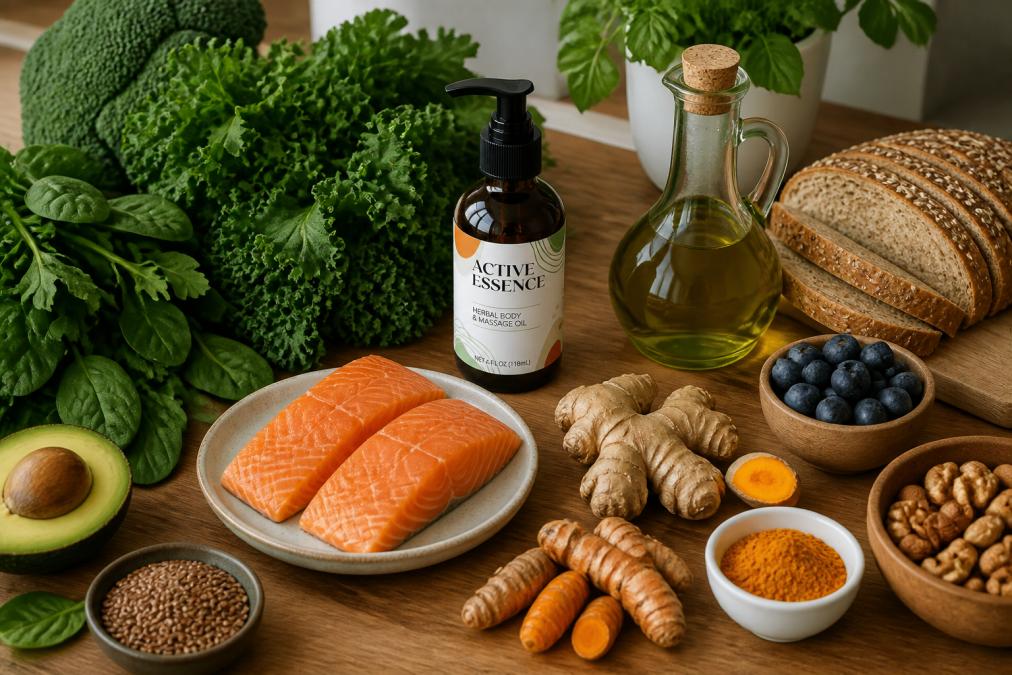
The best natural remedies for inflammation start in your kitchen. Food is your most powerful anti-inflammatory tool because you consume it three times daily. An anti-inflammatory diet plan prioritizes foods rich in antioxidants and polyphenols while minimizing foods that trigger inflammatory responses.
Leafy Greens, Whole Grains, and Plant-Based Protein
Leafy greens, spinach, kale, arugula, collards, contain high concentrations of antioxidants and vitamin K, which protects against oxidative stress. Eat a palm-sized portion at every meal.
Whole grains like oats, quinoa, and brown rice provide fiber and B vitamins that support metabolic health. Refined grains spike blood sugar, which triggers inflammatory responses. The shift from white bread to whole grain bread is one of the highest-impact dietary changes you can make.
Plant-based proteins, lentils, chickpeas, beans, hemp seeds, deliver amino acids without the saturated fat load of processed meats. A cup of cooked lentils provides 18 grams of protein plus 16 grams of fiber. Fiber is non-negotiable for inflammation management because it feeds beneficial gut bacteria that produce short-chain fatty acids, which directly suppress inflammatory cytokines.
The Role of Fiber in Reducing Inflammation
Fiber is the overlooked pillar of an anti-inflammatory diet plan. Most people consume 10-15 grams daily; you need 30-40 grams. Fiber-rich foods feed your gut microbiome, which produces butyrate and other metabolites that reduce intestinal permeability and lower systemic inflammation.
Aim for 25-30 grams of fiber daily from whole foods: vegetables, fruits, legumes, and whole grains. Increase gradually over two weeks; rapid increases cause bloating. Drink plenty of water as you increase fiber intake.
| Food | Fiber per Serving | Best For |
|---|---|---|
| Lentils (1 cup cooked) | 16g | Protein + fiber |
| Chia seeds (2 tbsp) | 10g | Easy addition to smoothies |
| Oats (1/2 cup dry) | 8g | Breakfast base |
| Broccoli (1 cup raw) | 2.4g | Raw snack or side |
| Almonds (1 oz) | 3.5g | Portable snack |
6. How to Reduce Systemic Inflammation Naturally
Systemic inflammation is inflammation throughout your entire body, not localized to one joint or area. Reducing it requires a multi-pronged approach combining diet, movement, and targeted natural remedies.
Testing Inflammation Markers at Home
Home testing kits for C-reactive protein (CRP) are now available through direct-to-consumer labs. A baseline CRP test costs $30-50 and takes 5 minutes. Retest every 8-12 weeks as you implement dietary and lifestyle changes.
Normal CRP is under 1.0 mg/L. Levels between 1.0-3.0 suggest mild inflammation; above 3.0 indicates chronic systemic inflammation. You'll see measurable improvements within 6-8 weeks if your interventions are working.
Budget-Friendly Anti-Inflammatory Shopping
An anti-inflammatory diet plan doesn't require expensive supplements or specialty foods. Dried lentils, canned beans, frozen vegetables, and bulk oats cost less than processed foods while delivering superior anti-inflammatory effects.
Buy in bulk: oats, lentils, beans, brown rice, and frozen vegetables have long shelf lives and cost 60-70% less than packaged alternatives. Frozen vegetables retain nutrients as well as fresh and cost significantly less. Canned fatty fish provides omega-3s at a fraction of fresh fish prices. A month of anti-inflammatory eating costs $150-200 per person if you plan strategically.
7. Topical Remedies and Kitchen Herbalism Application
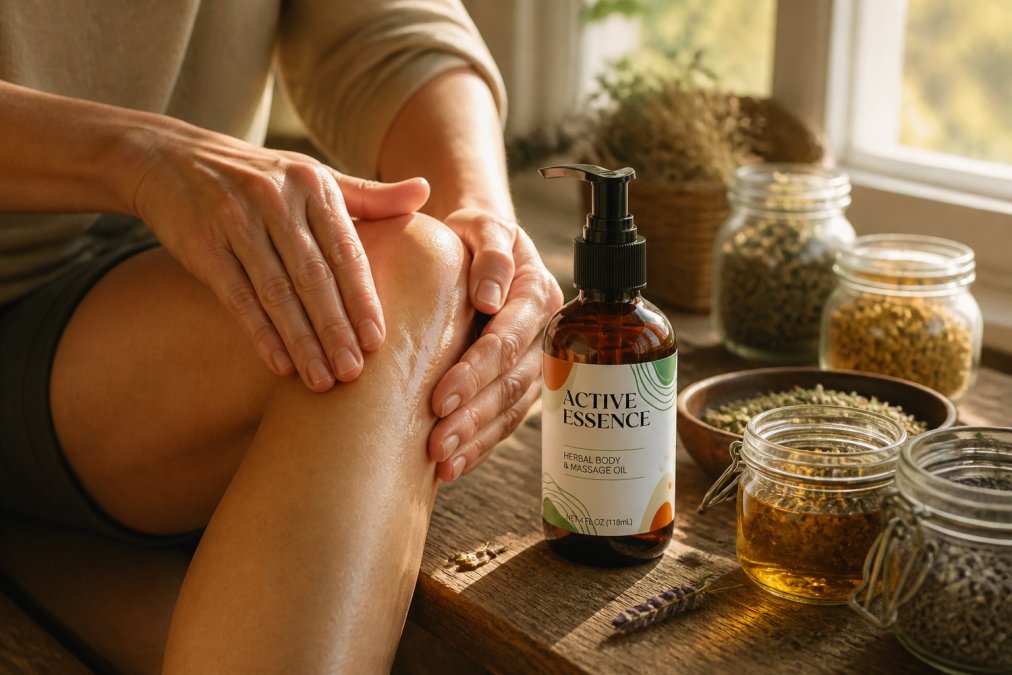
Topical remedies work through a different pathway than oral supplements. Applied directly to skin, herbal oils and salves deliver botanicals to localized areas of inflammation without systemic absorption challenges.
How to Use Herbal Oils and Salves Safely
Warm the oil or salve slightly before application; warmth increases circulation and helps herbal compounds penetrate deeper. Massage gently into the affected area using circular motions for 2-3 minutes. Apply 2-3 times daily for consistent results.
Patch test any new topical remedy on a small area first. Wait 24 hours before full application if you have sensitive skin.
The Dual Sensation Herbal Body Rub ($18.00) from HighFiveHive Nature's Remedies-Kitchen Herbalism combines frankincense, peppermint, calendula, and St. John's Wort in a hemp seed oil base. For a more affordable option, the DualSoothe Warm & Cool Herbal Rub ($8.95) delivers similar benefits with the same active ingredients.

Kitchen herbalism means making your own preparations. Infuse dried herbs into olive oil by gently heating them together for 30 minutes (don't boil). Strain through cheesecloth and store in a cool, dark place. Homemade infusions cost pennies compared to commercial products.
What to Avoid: Common Mistakes in Natural Inflammation Management
The biggest mistake is expecting immediate results. Natural remedies for inflammation work gradually, building over weeks and months. Turmeric takes 2-4 weeks to show effects. If you expect pain relief in 48 hours, you'll abandon the approach before it works.
Another common error is inconsistency. Taking turmeric once weekly won't reduce inflammation. Daily consumption is non-negotiable. Set a reminder on your phone or add turmeric to your morning eggs.
Many people also underestimate the role of diet. You can't supplement your way out of a pro-inflammatory diet. Eating processed foods daily while taking anti-inflammatory supplements is like bailing water from a boat while leaving the hole unfixed.
Finally, avoid mixing too many remedies at once. Add one remedy every two weeks and track your symptoms. This gives you clear feedback about what actually helps you.
Managing chronic inflammation naturally requires patience, consistency, and a willingness to make dietary changes. The natural remedies outlined here, turmeric, omega-3s, ginger, boswellia, and fiber-rich foods, work best as part of a comprehensive approach.
HighFiveHive Nature's Remedies-Kitchen Herbalism brings professional RN-led guidance to this process. With 40 years of nursing experience, their approach combines kitchen herbalism with evidence-based botanical knowledge. Their topical remedies like the Active Essence Herbal Body & Massage Oil ($20.00) and Nature's Radiance Herbal Infused Oil ($15.95) provide clinically-informed herbal support backed by professional healthcare expertise. Shop Now to get started with natural remedies for inflammation that actually deliver results.

Frequently Asked Questions
Q: How can I reduce inflammation fast naturally?
A: The fastest natural approaches combine dietary changes with topical application. Start with omega-3 rich foods like fatty fish, add turmeric to meals, and apply herbal oils like our Active Essence Herbal Body & Massage Oil directly to affected areas. Ginger tea works quickly too. However, systemic inflammation typically takes 2-4 weeks of consistent effort to show measurable improvement. For joint pain specifically, herbal remedies like boswellia serrata offer targeted support when used alongside an anti-inflammatory diet.
Q: What herbs for joint pain relief actually work?
A: Boswellia serrata, frankincense, ginger, and turmeric have the strongest evidence for joint discomfort. Topical application of calendula and St. John's Wort also provides localized support. Our Dual Sensation Herbal Body Rub combines frankincense with warming and cooling botanicals specifically designed for joint mobility. Dosage matters: boswellia typically requires 300-500mg daily for 8-12 weeks to show results. Always consult a healthcare provider if you're on blood thinners, as some herbs interact with these medications.
Q: Can inflammation be managed naturally through diet alone?
A: Diet is powerful but rarely sufficient alone for chronic inflammation. An anti-inflammatory diet plan focusing on leafy greens, whole grains, fatty fish, and fiber-rich foods reduces systemic inflammation markers. However, combining dietary changes with herbal supplements, topical remedies, and lifestyle adjustments produces better results. For autoimmune-related inflammation, professional guidance is essential.
Q: How do I know if an RN-led herbal approach is better than DIY recipes?
A: RN-led herbalism includes dosage guidance, drug-interaction screening, and safety protocols that DIY sites often skip. A nursing professional can assess your medications, critical because turmeric interacts with blood thinners, St. John's Wort affects antidepressants, and ginger may interact with certain heart medications. You also get personalized recommendations based on your health history rather than generic advice. HighFiveHive's 40 years of nursing experience means every remedy is dosed safely and tested for compatibility with common medications.
Q: What results should I realistically expect from natural remedies?
A: Natural remedies reduce inflammation markers and ease discomfort, but they work gradually. Most people notice improved joint mobility and reduced stiffness within 3-8 weeks. Skin health typically improves within 4-6 weeks with consistent topical application. Results vary based on inflammation severity, medication interactions, and consistency. Track your progress with inflammation markers or a symptom journal.
This article was written using GrandRanker


Leave a comment