
What Is the Best Diet for Prediabetes? A 2026 Guide
Table of Contents
- What Is Prediabetes and Why Diet Matters Most
- What Is the Best Diet for Prediabetes? Comparing Proven Eating Patterns
- Foods to Avoid With Prediabetes (and What to Eat Instead)
- How to Reverse Prediabetes Naturally Through Daily Habits
- Prediabetes Meal Plan for Beginners: A 7-Day Framework
- Overcoming Barriers: Budget, Culture, and CGM Insights
- Conclusion
- Frequently Asked Questions
Last Updated: September 23, 2026
What Is Prediabetes and Why Diet Matters Most
Prediabetes is a condition where blood glucose levels are higher than normal but not yet high enough for a type 2 diabetes diagnosis. It affects roughly one in three American adults, according to the CDC National Diabetes Statistics Report, and most don't know they have it. This guide from HighFiveHive Nature's Remedies-Kitchen Herbalism explains what the best diet for prediabetes looks like in practice, not just in theory.

What Is the Best Diet for Prediabetes? Comparing Proven Eating Patterns
The best diet for prediabetes is not a single named plan. Research points to eating patterns rather than specific diets, and the Mediterranean and DASH approaches have the strongest track records for improving HbA1c levels and metabolic health.
| Eating Pattern | Core Focus | Strongest Evidence For | Main Limitation |
|---|---|---|---|
| Mediterranean | Healthy fats, fish, vegetables, whole grains | Blood sugar and heart health | Cost of fish and olive oil |
| DASH | Low sodium, lean protein, produce | Blood pressure plus glucose | Can feel repetitive |
| Low-carbohydrate | Fewer refined carbohydrates | Rapid glucose reduction | Hard to sustain long-term |
| Plant-based | Fiber-rich foods, legumes | Weight management, satiety | Requires B12 attention |
Mediterranean Diet: The Most Studied Approach
The Mediterranean diet emphasizes olive oil, fish, legumes, non-starchy vegetables, and whole grains while limiting processed foods and added sugars. It's the most studied pattern for type 2 diabetes prevention, and its healthy fats and fiber-rich foods support satiety and steadier blood glucose. The main drawback is cost.
DASH Diet: Built for Blood Pressure and Blood Sugar
The DASH diet was designed to lower blood pressure, but its lean protein sources, low-fat dairy, and abundant produce also support blood sugar management. Many people with prediabetes also have elevated blood pressure, making DASH a practical two-for-one.
Low-Carbohydrate and Plant-Based Options
Low-carbohydrate eating can lower blood glucose quickly by reducing refined carbohydrates, but many find it hard to maintain. A plant-based diet rich in legumes and fiber-rich foods supports metabolic health and weight management, though it requires attention to vitamin B12. Neither is inherently superior; the one you'll actually follow is the one that works.
Foods to Avoid With Prediabetes (and What to Eat Instead)
Foods to avoid with prediabetes include added sugars, refined carbohydrates like white bread and white rice, sugary drinks, and heavily processed foods. These raise blood glucose quickly and offer little nutritional density. Saturated fats also worsen insulin resistance over time.
- Instead of soda or sweet tea, drink water, sparkling water, or unsweetened herbal tea
- Instead of white rice, try brown rice, quinoa, or barley
- Instead of white bread, choose 100% whole grain varieties
- Instead of sweetened yogurt, use plain yogurt with fresh berries
- Instead of chips, snack on nuts, seeds, or raw vegetables with hummus
- Instead of flavored coffee drinks, use black coffee or unsweetened cold brew with a splash of milk
- Instead of boxed breakfast cereal, try plain rolled oats with cinnamon and nuts
- Instead of processed lunch meats, choose roasted turkey, chicken, or canned tuna
The Budget-Friendly Swap Strategy
A common barrier is cost, but the cheapest swaps are often the most effective. Frozen vegetables cost a fraction of fresh and retain comparable nutrition because they're frozen at peak ripeness. Canned beans, plain rolled oats, eggs, and plain yogurt are among the lowest-cost protein and fiber sources in any grocery store, and bulk-bin whole grains cut the per-serving cost significantly.

Reading the Label Without Getting Fooled
Added sugars hide under dozens of names: cane juice, dextrose, maltose, rice syrup, agave, honey, and fruit juice concentrate all count. The Nutrition Facts panel now lists 'Added Sugars' separately, which makes spotting them faster. Most practitioners suggest keeping added sugars under roughly 10% of daily calories, about 50 grams on a 2,000-calorie pattern; for prediabetes, aiming lower is often more helpful.
How to Reverse Prediabetes Naturally Through Daily Habits
Reversing prediabetes naturally is possible for many people through consistent lifestyle modification, and diet is only part of the picture. The American Diabetes Association nutrition guidance notes that regular physical activity, weight management, and sleep quality all influence blood glucose levels alongside food choices. Small, repeatable habits outperform dramatic overhauls.
Portion Control, Meal Spacing, and Fiber Intake
Portion control matters because even healthy foods affect blood sugar in large quantities. Meal spacing, typically three meals with one or two planned snacks, prevents the glucose swings that trigger cravings. Fiber slows digestion, improves satiety, and blunts blood sugar spikes. Build each meal around non-starchy vegetables and a lean protein source first, then add a modest serving of whole grains.
Kitchen Herbalism as a Complement to Your Diet
Kitchen herbalism uses everyday culinary herbs and spices as supportive additions to a balanced diet. Cinnamon is one of the most researched kitchen spices for blood sugar support, and blends built around it can make healthier routines easier to keep. HighFiveHive Nature's Remedies-Kitchen Herbalism offers blends designed as complements to a healthy lifestyle, including the Synergy Spice: Bay, Cinnamon & Oregano Herbal Tea and the SlimRoots Kitchen Herbalism Weight Tea Blend.
Prediabetes Meal Plan for Beginners: A 7-Day Framework
A prediabetes meal plan for beginners works best as a flexible framework, not a rigid menu. Build each day around the same structure: a protein-forward breakfast, lunch and dinner split between non-starchy vegetables, lean protein sources, and a small serving of whole grains, plus one planned snack.
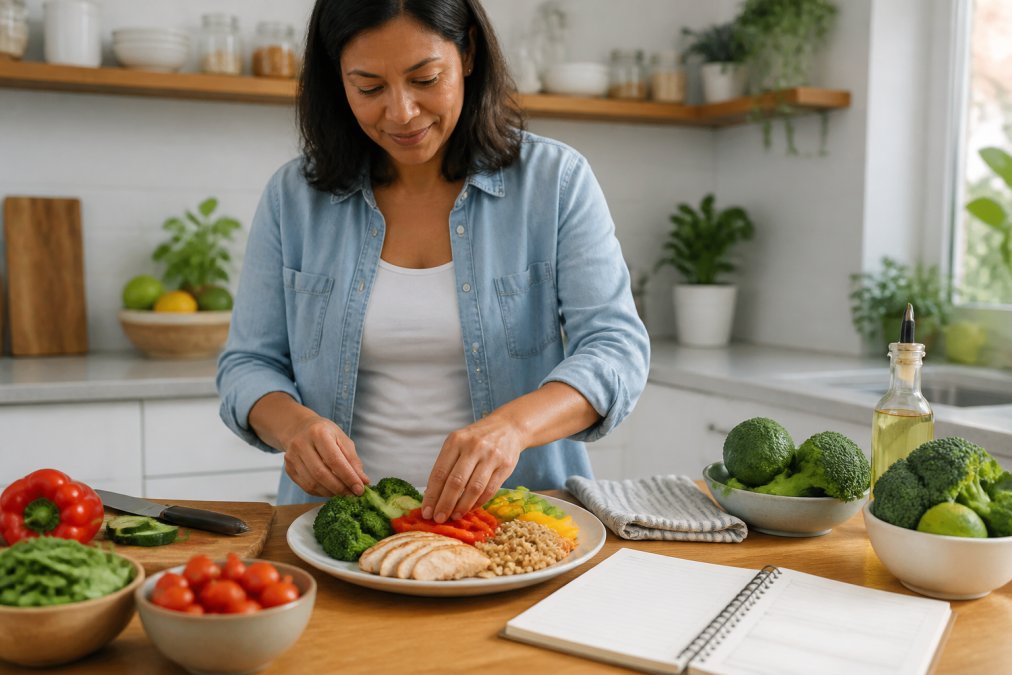
Here's the weekly rhythm:
Synergy Spice: Bay, Cinnamon & Oregano →
- Monday: Vegetable omelet; grilled chicken salad; salmon with roasted broccoli and quinoa
- Tuesday: Greek yogurt with berries and nuts; lentil soup; turkey chili with beans
- Wednesday: Oatmeal with cinnamon and walnuts; tuna salad with whole grain crackers; stir-fried tofu with peppers
- Thursday: Eggs with sautéed spinach; chicken and vegetable soup; baked cod with green beans
- Friday: Cottage cheese with peach slices; black bean bowl with salsa; shrimp with zucchini noodles
- Saturday: Whole grain toast with avocado; grilled chicken wrap; vegetable and chickpea curry
- Sunday: Vegetable frittata; leftovers; roasted chicken with Brussels sprouts and farro
Making This Plan Work on a Real Budget
Most published meal plans assume you can afford fresh salmon, quality olive oil, and out-of-season produce every week. That's not realistic for many households, and it's a big reason plans get abandoned by week two. A budget-conscious version swaps in lower-cost equivalents without losing the nutritional structure.
- Protein: Eggs, canned tuna, canned salmon, plain Greek yogurt, cottage cheese, dried or canned beans, and frozen chicken thighs often cost less per gram of protein than fresh fish or lean beef.
- Produce: Frozen broccoli, spinach, and mixed vegetables, plus canned tomatoes and canned pumpkin, deliver comparable fiber and micronutrients at a fraction of fresh prices.
- Grains: Buy rolled oats, brown rice, and barley from bulk bins. A single bag of dried beans costs less than two cans and yields several meals.
- Flavor without cost: Cinnamon, cumin, smoked paprika, garlic powder, and dried oregano are inexpensive ways to make the same base ingredients taste different across the week.
Adapting the Framework to Your Cultural Foods
Standard prediabetes advice is often written around Western plates, but the underlying structure, vegetables first, protein second, starch last, translates into nearly any cuisine. The goal is not to abandon the foods you grew up with but to adjust proportions and preparation.
- Latin American cooking: Swap white rice for brown rice or cauliflower rice in arroz con pollo; use corn tortillas instead of flour; lean on black beans, pinto beans, and fresh salsas; grill or bake instead of frying.
- South Asian cooking: Choose whole wheat roti or millet over white naan; increase the ratio of dal and vegetables to rice; use yogurt-based raitas; roast or air-fry instead of deep-frying pakoras.
- East Asian cooking: Use brown rice or a half-rice, half-cauliflower blend; build meals around steamed fish, tofu, and leafy greens; keep soy-based sauces but watch for added sugar in bottled stir-fry sauces.
- African and Caribbean cooking: Favor stewed greens, beans, and grilled or baked proteins; use brown rice or fonio in place of white rice; season with herbs and spices rather than sugar-based marinades.
The Psychological Side of Sticking With a Plan
Even a perfect meal plan fails if it collides with real life. Social pressure, emotional eating, and all-or-nothing thinking derail more plans than any single food choice. A few patterns help:
- Plan for the off-plan meal. One high-carb meal does not undo a week of steady choices. Treat it as data, not failure.
- Anchor to a routine, not a rule. The same breakfast most days removes decision fatigue and makes the rest of the day easier.
- Name the trigger. If stress or boredom drives snacking, having a planned alternative, a walk, a cup of herbal tea, a piece of fruit with nut butter, works better than willpower alone.
- Involve the household. Cooking one meal everyone shares, with the starch portioned separately, is more sustainable than cooking two dinners.
If you take medication for blood pressure or blood sugar, check with your prescriber before making large dietary changes. Shifts in diet can change how your body responds to existing doses.
Overcoming Barriers: Budget, Culture, and CGM Insights
Budget and culture derail more meal plans than nutrition knowledge does. Frozen vegetables, canned beans, eggs, oats, and plain yogurt deliver strong nutritional density at low cost and fit nearly any cultural cooking tradition. Adapting familiar dishes, swapping white rice for brown in a family recipe, works far better than abandoning the foods you grew up with.
Conclusion
Managing prediabetes asks for patience, consistency, and a plan that fits your real life, not a perfect one. HighFiveHive Nature's Remedies-Kitchen Herbalism supports that effort with RN-led kitchen herbalism, backed by 40 years of nursing experience, including blends like the Golden Spice Herbal Brew Tea Blend and Ruby Glow Nettle Hibiscus & Spice Herbal Tea designed as enjoyable parts of a balanced routine.

Frequently Asked Questions
What is the fastest way to fix prediabetes?
There is no overnight fix, but research shows that losing 5-7% of body weight and getting 150 minutes of moderate activity weekly can significantly lower blood sugar. The CDC National Diabetes Prevention Program defines a healthy eating pattern as one rich in non-starchy vegetables, lean proteins, and fiber-rich foods while limiting added sugars and refined carbohydrates. Pairing these changes with consistent meal spacing and adequate sleep supports metabolic health. Always work with your healthcare provider to track HbA1c levels and adjust your plan.
What foods should prediabetics avoid?
Focus on limiting added sugars, refined carbohydrates like white bread and sugary cereals, and saturated fats from processed foods. These cause rapid blood sugar spikes and worsen insulin resistance. Instead, choose complex carbohydrates such as whole grains, beans, and lentils. Non-starchy vegetables, lean protein sources, and healthy fats should fill most of your plate. Reading labels for hidden sugars in sauces, drinks, and packaged snacks is essential. A registered dietitian can help you build a sustainable plan that fits your preferences.
Can kitchen herbalism complement a standard prediabetes diet?
Yes, herbal teas can be a supportive addition to a prediabetes diet. Blends featuring cinnamon and hibiscus have traditional use for blood sugar balance and may help reduce cravings. For example, cinnamon is one of the most clinically researched kitchen herbs for supporting glucose metabolism. However, herbal products are not a replacement for medical care. Always consult your healthcare provider before adding herbs, especially if you take diabetes medications, as some botanicals may interact with prescriptions.
What should a prediabetic eat first thing in the morning?
A blood-sugar-friendly breakfast combines protein, fiber, and healthy fats while limiting refined carbohydrates. Options include Greek yogurt with berries and nuts, eggs with sautéed spinach and whole-grain toast, or a smoothie with unsweetened almond milk, chia seeds, and protein powder. Avoid sugary cereals, pastries, and fruit juices, which spike blood glucose quickly. Eating breakfast within an hour or two of waking helps regulate appetite and supports stable blood sugar levels throughout the day.
How long does it take to see results from diet changes?
Many people notice improved energy and fewer cravings within two to four weeks of consistent dietary changes. However, measurable changes in HbA1c levels typically take three to six months because red blood cells live about 90 days. Weight management and improved fasting insulin may become apparent sooner. The key is consistency with dietary patterns, portion control, and physical activity. Your healthcare provider can monitor progress through regular blood tests and adjust recommendations as needed.
Is a low-carbohydrate diet best for prediabetes?
Low-carbohydrate diets can be effective for managing blood glucose levels because they reduce the number of carbohydrates that raise blood sugar. However, very restrictive approaches may be hard to maintain long-term. A moderate low-carb plan that emphasizes complex carbohydrates, fiber-rich foods, and lean protein sources often works well. The Mediterranean and DASH diets also show strong evidence for type 2 diabetes prevention. The best diet is one you can follow consistently while meeting nutritional needs.


Leave a comment