
How Long for Herbal Remedies to Work: A Guide
Table of Contents
- Understanding Herbal Remedy Timeframes
- Factors That Influence How Long Herbal Remedies Take to Work
- Acute vs. Chronic Conditions: Different Timelines
- Herbal Supplement Safety and FDA Considerations
- How to Manage Diabetes Naturally with Herbal Support
- Herbal Medicine Drug Interactions and Professional Guidance
- Tracking Your Progress: Symptom Logs and Realistic Expectations
- When to Adjust, Taper, or Stop Herbal Remedies
Last Updated: August 26, 2026
Understanding Herbal Remedy Timeframes
Most herbal remedies require consistent use over days, weeks, or even months before you notice meaningful changes. Some people see shifts within a week; others need 6-8 weeks of regular use before therapeutic effects become noticeable. The variability frustrates people accustomed to pharmaceutical interventions, but understanding it helps you make informed decisions about whether herbal support fits your health goals.
At HighFiveHive Nature's Remedies-Kitchen Herbalism, the RN-led approach means we set realistic expectations based on your specific situation, not generic timelines. A chronic condition that's been developing for years won't reverse in days. An acute flare-up might respond faster. The difference matters profoundly for whether you'll stick with an herbal protocol or abandon it prematurely.
Herbal remedies work through active compounds that need to accumulate in your system, interact with your physiology, and create measurable change. This takes time.
Factors That Influence How Long Herbal Remedies Take to Work
Individual Metabolic Variability
Your body processes herbal compounds differently than someone else's body does. Metabolism, age, digestive health, liver function, and genetics influence how quickly active compounds get absorbed and used by your system. Someone with strong digestive function will likely experience therapeutic effects faster than someone with compromised digestion. A person taking multiple medications may experience different absorption patterns than someone on no pharmaceuticals.
Standardized timelines don't apply universally. When someone tells you "this herb works in 3 weeks," they're describing their own experience, not a guarantee for you. Tracking your own response matters more than comparing yourself to generic timelines.
:::pro-tip Keep a simple log of when you start an herbal remedy and note any changes you observe: energy shifts, symptom improvements, digestive changes. This personal tracking reveals YOUR timeline. :::
Standardization and Quality Control
Not all herbal products are created equal. The potency and consistency of active compounds varies dramatically based on how the herb was grown, harvested, dried, extracted, and stored. A standardized extract contains a verified amount of key active compounds. A poorly manufactured tincture might contain half the expected concentration.
This variability directly affects how long for herbal remedies to work. A low-potency product might require 12 weeks to show results. A high-quality, properly standardized version might deliver therapeutic effects in 4 weeks.
Quality control also involves contamination risk. Herbs grown in heavy-metal-laden soil or processed with poor sanitation may contain compounds that work against your health. The regulatory landscape for herbal supplements is less stringent than for pharmaceuticals, which means your source matters enormously.
When you work with HighFiveHive Nature's Remedies-Kitchen Herbalism, the RN-led approach includes vetting for quality and standardization.
Acute vs. Chronic Conditions: Different Timelines
Acute conditions, a sudden headache, a fresh cold, unexpected insomnia, may respond to herbal intervention within hours or a day or two. Your body hasn't developed entrenched patterns yet.
Chronic conditions follow a different timeline. A condition you've lived with for months or years has become woven into your physiology. Reversing that adaptation takes time. How long for herbal remedies to work in chronic cases typically spans weeks to months because you're supporting your body's gradual rebalancing, not just addressing symptoms.
Consider joint discomfort developed over 10 years. Herbal support might show early signs in 3-4 weeks, but meaningful improvement often emerges over 8-12 weeks as tissues gradually respond to consistent herbal support. Understanding which category you're in helps you set realistic milestones.
Herbal Supplement Safety and FDA Considerations
The FDA regulates herbal supplements differently than pharmaceuticals (the FDA). Supplements are classified as dietary products rather than drugs, which means they don't require pre-market approval. The FDA can act if a supplement is found unsafe or if manufacturers make false claims, but the regulatory burden is lighter.
This means you have more options and lower barriers to access, but the responsibility for safety rests more heavily on manufacturers and on you as an informed consumer. Look for manufacturers who pursue third-party testing through organizations that verify product contents and purity. Check whether labels include standardized extract information with specific percentages of active compounds.
Some herbs can interfere with blood thinners, blood pressure medications, diabetes medications, and other common drugs. This is precisely why professional guidance matters. An RN-led approach like HighFiveHive Nature's Remedies-Kitchen Herbalism includes screening for these interactions before recommending any herbal protocol.
How to Manage Diabetes Naturally with Herbal Support
Managing diabetes naturally with herbal support requires a structured approach and professional oversight. This isn't about replacing insulin or prescribed diabetes medications; it's about using herbal remedies as complementary support alongside conventional medical care. The timeline for seeing improvements in blood sugar stability typically ranges from 4-8 weeks with consistent use.
Certain herbs have demonstrated value in supporting healthy glucose metabolism. Cinnamon, fenugreek, and berberine-containing plants have been studied for their effects on insulin sensitivity and blood sugar levels. However, individual responses differ substantially.
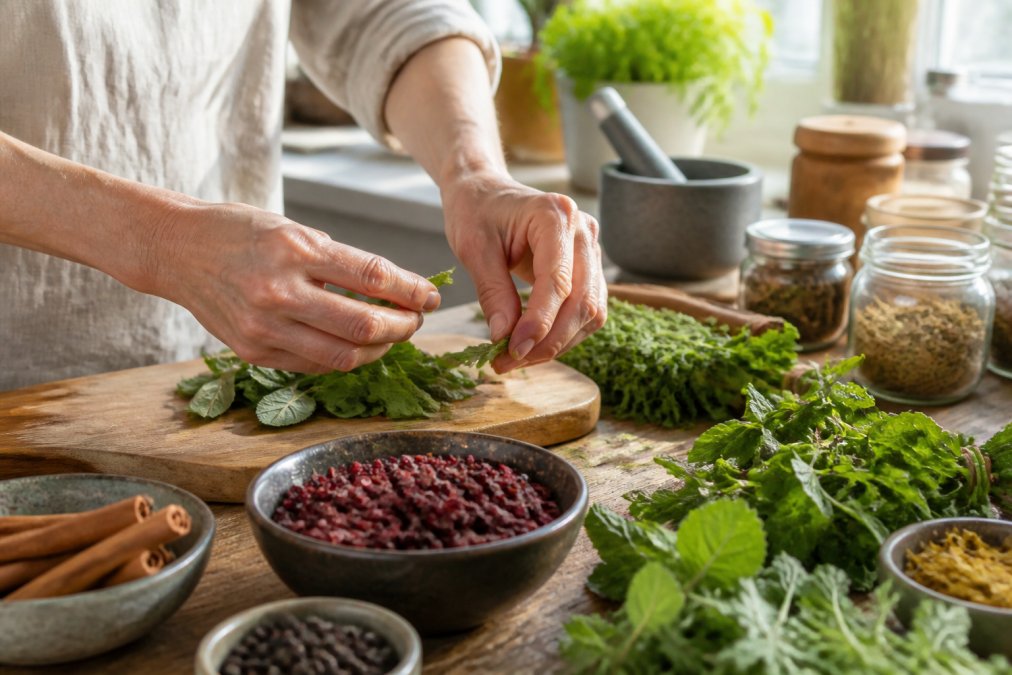
The critical piece is consistency. Herbal support for blood sugar requires daily use. Your body needs regular exposure to these active compounds to develop the physiological adaptation that supports healthier glucose metabolism.
Working with HighFiveHive Nature's Remedies-Kitchen Herbalism for diabetes support means getting RN-guided recommendations tailored to your specific situation. Your existing medications, current blood sugar patterns, and other health conditions all factor into what herbal protocol makes sense for you. With 40 years of nursing experience backing these recommendations, you're getting individualized guidance from someone trained to recognize contraindications and complications.
Herbal Medicine Drug Interactions and Professional Guidance
Herbal medicine can interact with pharmaceuticals in ways that reduce medication effectiveness, increase side effects, or create unpredictable physiological responses. St. John's Wort reduces the efficacy of birth control pills, certain antidepressants, and blood thinners (peer-reviewed research). Ginkgo biloba increases bleeding risk when combined with anticoagulants. Turmeric and ginger can interact with blood pressure medications.
The problem deepens when managing multiple conditions with multiple medications. A person on diabetes medication, blood pressure medication, and an antidepressant who wants to add herbal support needs careful analysis of all possible interaction pathways.
According to FDA guidance on herbal supplement safety, consumers should inform their healthcare providers about all supplements they're taking. This is a practical safety measure that prevents dangerous combinations from going unnoticed.
When you work with an RN-led service like HighFiveHive Nature's Remedies-Kitchen Herbalism, drug interaction screening is built into the process. You're not making these decisions alone.
Tracking Your Progress: Symptom Logs and Realistic Expectations
The most reliable way to determine whether herbal remedies are working is to track your symptoms systematically before you start and throughout your protocol. A symptom log doesn't need to be elaborate. Write down the specific symptom you're addressing, joint stiffness upon waking, afternoon energy crashes, hormonal mood shifts, and rate it on a simple scale from 1 to 10 before starting the remedy. Check in weekly or biweekly using the same scale.
After 4-6 weeks, you'll have data showing whether the symptom is improving, stable, or worsening. This objective tracking reveals your actual timeline for responding to the remedy.

Realistic expectations also mean accepting that herbal remedies work gradually. You're unlikely to wake up completely transformed. Instead, you'll notice small shifts: slightly less joint stiffness, a bit more stable energy, a marginally improved mood. These incremental improvements accumulate over weeks into meaningful change.
The timeline depends on how long you've had the condition. A recent issue might resolve in 4-6 weeks. A chronic pattern you've carried for years might take 8-12 weeks or longer. This reflects how deeply the pattern has been established in your physiology.
When to Adjust, Taper, or Stop Herbal Remedies
After 6-8 weeks, assess whether an herbal remedy is delivering results. If your symptom tracking shows improvement, continue the protocol. If you're seeing no change, something needs to shift: increase the dose, switch to a different herb, adjust timing, or accept that this remedy isn't right for you.
Tapering is important when you've achieved your goal and want to discontinue. Most herbal remedies don't require dramatic tapering, but gradual reduction is often gentler on your system. A typical taper might involve reducing your dose by half for one week, then stopping.
Some herbal remedies are designed for short-term acute use. Others support long-term chronic management and can be used consistently for months or years. Understanding which category your remedy falls into helps you make informed decisions about duration.
Most people experience no withdrawal effects when discontinuing herbs, though someone who's relied on sleep-support herbs might find their sleep temporarily disrupted when they stop. This usually resolves within a few days to a week.
When you work with HighFiveHive Nature's Remedies-Kitchen Herbalism, guidance includes clear protocols for adjusting, tapering, and discontinuing remedies. You're not left guessing about whether to push forward, change course, or stop.
:::pro-tip Document when you started an herbal remedy, what dose you're taking, and any changes you notice. This record helps you and any healthcare provider understand what's actually working for you. :::
The question of how long for herbal remedies to work doesn't have a one-size-fits-all answer, but it does have a framework. Acute conditions may respond within days. Chronic conditions typically require 4-8 weeks of consistent use before meaningful therapeutic effects emerge. Your individual metabolism, the quality of the remedy, your existing medications, and the depth of your condition all influence your personal timeline.
The most important step is getting professional guidance before starting any herbal protocol, especially if you take prescription medications or manage complex health conditions. HighFiveHive Nature's Remedies-Kitchen Herbalism offers RN-led support that screens for drug interactions, personalizes recommendations based on your health history, and helps you track progress with realistic expectations. With 40 years of nursing experience backing these recommendations, you're working with a qualified healthcare professional who understands both herbal medicine and conventional medical safety. Get started with HighFiveHive Nature's Remedies-Kitchen Herbalism and discover how professional herbal guidance can support your path to better health.
Frequently Asked Questions
Q: How long does it typically take for herbal remedies to show therapeutic effects?
A: Timeframes vary significantly based on the condition and the herb. Acute conditions like minor digestive upset may show improvement within hours to days. Chronic conditions typically require 2-4 weeks of consistent use before noticeable changes occur, though some remedies take 6-8 weeks or longer to demonstrate full efficacy. Individual metabolism, remedy potency, and dosage all influence how quickly you experience results. Working with an RN-led practitioner helps establish realistic expectations for your specific situation.
Q: What factors most influence how fast herbal remedies work?
A: Several factors affect efficacy: individual metabolic variability, the standardization and quality of the extract, dosage consistency, and the condition being treated. Active compounds in herbs must be absorbed and processed by your body, which depends on your digestion, metabolism, and overall health status. Chronic conditions require longer treatment periods than acute issues. Tracking your own symptoms helps you identify what's working and adjust your approach with professional guidance.
Q: Can herbal remedies interact with my prescription medications?
A: Yes. Herbal medicine drug interactions are a real concern and should never be ignored. Some herbs affect how your body metabolizes prescription medications, potentially reducing their effectiveness or increasing side effects. This is especially important if you take diabetes medications, blood thinners, or other chronic condition treatments. Always disclose all herbal remedies to your healthcare provider before starting, and consult with an RN who understands both herbal and conventional pharmacology to ensure safety and prevent contraindications.
Q: How do I know if an herbal remedy is actually working for me?
A: Keep a symptom tracking log noting your baseline symptoms, the date you started the remedy, dosage, and any changes you observe. Document improvements in energy, pain levels, digestion, sleep, or mood depending on what you're treating. Most people notice subtle shifts before dramatic changes. Set realistic expectations: herbal support often reduces symptom severity rather than eliminating them completely. After 4-6 weeks, review your log with an RN or qualified practitioner to assess efficacy and adjust your protocol if needed.
This article was written using GrandRanker


Leave a comment