
Why Is My Blood Sugar High in the Morning?
Table of Contents
- What Causes High Morning Blood Sugar: The Dawn Phenomenon
- Dawn Phenomenon vs Somogyi Effect: How to Tell Them Apart
- How to Manage Diabetes Naturally: Lifestyle Adjustments for Morning Highs
- Foods to Lower Fasting Blood Sugar: What to Eat Before Bed
- How to Monitor Morning Blood Sugar and Interpret CGM Data
- When to Talk to Your Doctor About Morning Highs
- Frequently Asked Questions
Last Updated: September 25, 2026
What Causes High Morning Blood Sugar: The Dawn Phenomenon
Waking up to a high glucose reading when you barely ate anything before bed is frustrating, and it often leaves you wondering why is my blood sugar high in the morning. It also has a name. If you're asking why is my blood sugar high in the morning, the most common answer is the dawn phenomenon, a normal surge of hormones that pushes glucose up between roughly 3 a.m. and 8 a.m.
Hormonal Changes During Sleep
Between about 3 a.m. and 8 a.m., your body releases a wave of hormones to help you wake up. These include cortisol, growth hormone, glucagon, and epinephrine. Each one tells your liver to release stored sugar for energy.
The Liver's Role in Overnight Glucose Production
Your liver stores glucose as glycogen and releases it while you sleep. This is normal metabolic regulation. The problem starts when the liver releases more than your body can clear.
- Cortisol signals the liver to release glucose
- Growth hormone reduces insulin sensitivity
- Glucagon adds more glucose to the bloodstream
- Basal insulin is supposed to counter all three
Dawn Phenomenon vs Somogyi Effect: How to Tell Them Apart
Telling these two apart matters because the fixes are opposite. The dawn phenomenon is a natural hormonal rise with stable overnight glucose. The Somogyi effect is a rebound: glucose drops too low overnight, and the body overcorrects with a surge of sugar.
Here is the simplest way to compare them:
| Feature | Dawn Phenomenon | Somogyi Effect |
|---|---|---|
| Overnight glucose | Steady or slowly rising | Drops low, then spikes |
| Typical cause | Hormonal surge | Nocturnal hypoglycemia |
| 3 a.m. reading | Normal or high | Low |
| Usual fix | Adjust basal insulin | Reduce evening insulin |
Waning Insulin Levels Overnight
Long-acting basal insulin doesn't hold steady for a full 24 hours. For many people, its effect fades in the early morning, right when hormones are pushing glucose up. That timing mismatch explains why morning readings can drift higher even when daytime numbers look fine.
How to Manage Diabetes Naturally: Lifestyle Adjustments for Morning Highs
You can influence morning glucose with a few consistent habits. None of these replace medical care, but they can smooth out the spike.
- Eat dinner earlier. A 3-hour gap before bed helps.
- Walk after dinner. Even 10-15 minutes helps muscles pull in glucose.
- Keep evening carbs moderate. Pair them with protein and fiber.
- Stay hydrated. Water supports glucose regulation.
- Keep a consistent sleep schedule. Circadian rhythm affects cortisol.
Exercise Timing and Its Impact on Fasting Glucose
Morning exercise before breakfast can lower fasting glucose for hours. But intense evening workouts can backfire. Hard training raises cortisol and epinephrine, which can push glucose up overnight.
Foods to Lower Fasting Blood Sugar: What to Eat Before Bed
A bedtime snack is not automatically good or bad. Whether it helps or hurts depends on three things: whether you take insulin or a sulfonylurea, the macronutrient composition of the snack, and how close to bedtime you eat it. Most articles say "eat a snack" and stop there. The composition is what actually determines whether your 3 a.m. glucose holds steady or spikes.
The Composition Rule That Matters
For overnight stability, aim for a snack built around roughly this ratio:
- 15-20 grams of protein, slow-digesting, blunts the overnight cortisol-driven glucose rise
- 10-15 grams of fat, slows gastric emptying so glucose enters the bloodstream gradually instead of all at once
- 5-10 grams of fiber, further slows absorption and feeds gut bacteria tied to insulin sensitivity
- Under 15 grams of net carbs, enough to prevent a low if you're on insulin, not enough to drive a dawn spike
Evidence-Based Snack Examples
Each of these lands near the target ratio:
- 1 hard-boiled egg + 1 slice whole-grain toast + 1 tsp almond butter, ~13 g protein, ~9 g fat, ~4 g fiber
- ¾ cup plain Greek yogurt (2% or whole) + 1 tbsp chia seeds + cinnamon, ~17 g protein, ~8 g fat, ~5 g fiber
- 1 oz cheddar cheese + 6 almonds + ½ small apple, ~9 g protein, ~14 g fat, ~3 g fiber
- 2 tbsp hummus + ½ cup cucumber and bell pepper strips, ~5 g protein, ~7 g fat, ~4 g fiber
- 1 tbsp peanut butter on 1 celery stalk + ¼ cup cottage cheese, ~11 g protein, ~10 g fat, ~2 g fiber
Cinnamon shows up in several of these for a reason: it is one of the most studied kitchen spices for supporting glucose metabolism, and it adds flavor without adding carbs.
Timing and Portion
Eat the snack 60-90 minutes before bed, not right before your head hits the pillow. That window gives the protein and fat time to start digesting so the glucose release is already underway when the overnight hormonal surge begins. A snack eaten at 10 p.m. for an 11 p.m. bedtime mostly sits in the stomach.
What to Avoid Before Bed
- Alcohol, suppresses liver glucose release for hours, then triggers a rebound
- High-carb, low-protein snacks, crackers, cereal, fruit alone, juice
- Large meals within 2 hours of sleep, the glucose load outlasts the insulin response
- Caffeine after 2 p.m., disrupts sleep architecture, which raises morning cortisol
How to Monitor Morning Blood Sugar and Interpret CGM Data
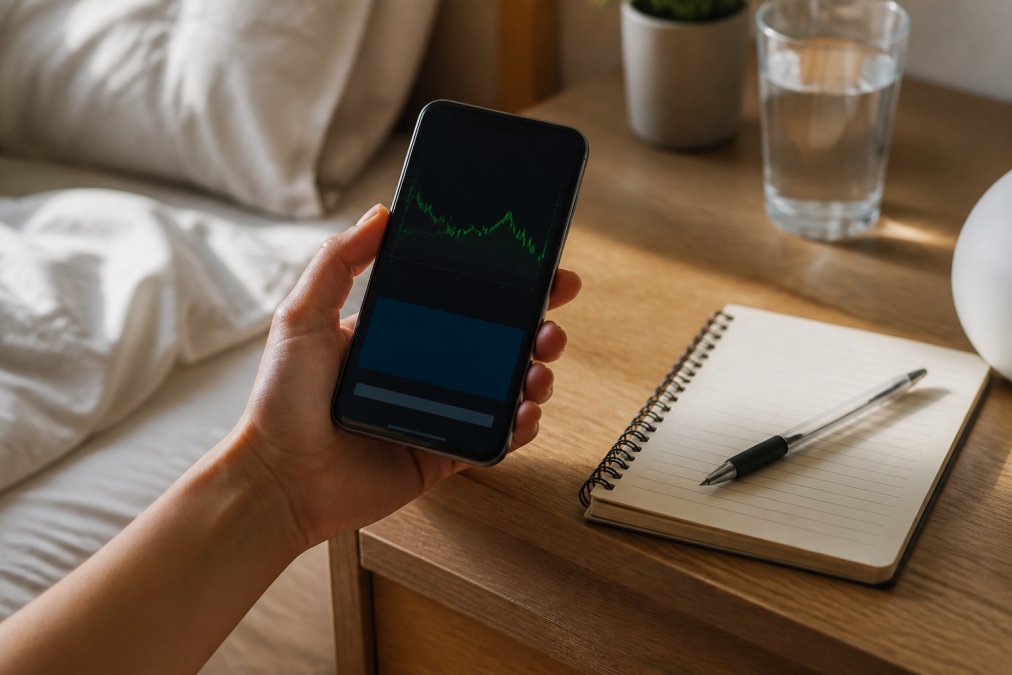
A single fasting reading tells you one number. A continuous glucose monitor (CGM) shows the whole night, and the shape of that overnight curve is what separates the dawn phenomenon from the Somogyi effect. Most articles explain the definitions and stop. The real skill is reading your own trend line.
The Four Overnight Patterns to Look For
Pattern 1, Slow, steady climb starting around 3 a.m. Glucose drifts upward gradually from a normal bedtime reading, reaching its highest point just before you wake. No dip precedes the rise. This is the classic dawn phenomenon signature. The fix is usually a basal insulin adjustment or a change in the timing of your evening medication, not a change in what you ate.
How to Log It
For one week, record four numbers each day:
- Bedtime glucose
- 3 a.m. glucose (set an alarm for two or three of the nights)
- Waking glucose, before you get out of bed
- Glucose 1 hour after waking
That four-point pattern is what your doctor needs to make a therapeutic adjustment. A single fasting reading cannot distinguish between the four patterns above, the overnight trend can.
If you use a CGM, screenshot the overnight graph each morning for a week and bring the images to your appointment. Trend lines communicate more in ten seconds than a written log communicates in ten minutes.
If You Do Not Have a CGM
A fingerstick at 3 a.m. for three consecutive nights is the minimum viable substitute. If your 3 a.m. reading is low, you are likely looking at the Somogyi effect. If it is normal or high, the dawn phenomenon is the better explanation. If it is normal but your waking reading is high, you are likely seeing the morning cortisol surge.
The Psychological Piece Most Articles Skip
Waking up to a high number after a night of careful eating and on-time medication is demoralizing. It is also one of the most common triggers of diabetes burnout, the fatigue that comes from doing everything "right" and still seeing the wrong number on the screen. If that describes your mornings, the fix is not more discipline. It is better data.
When to Talk to Your Doctor About Morning Highs
Persistent morning highs deserve a conversation with your care team. Bring your log. Ask whether your basal insulin timing or dosage needs review.
Red flags that mean call sooner, not later:
- Morning readings that keep climbing week over week
- Any overnight low followed by a high
- Symptoms like blurred vision, extreme thirst, or fatigue
- Glucose above your target range for several days straight
Frequently Asked Questions
How do you stop high blood sugar in the morning?
Stopping morning highs starts with identifying the cause. If it's the dawn phenomenon, adjusting your basal insulin dose or timing with your doctor can help. For natural support, try eating a balanced bedtime snack with protein and fiber, avoiding late-night carbs, and getting consistent sleep. Some people find that a gentle evening walk or stress-reduction practices like deep breathing make a difference. Always work with your healthcare provider before changing medications or insulin.
How soon after waking up should I test my blood sugar?
Test your fasting blood sugar within 15 to 30 minutes of waking, before you eat or drink anything other than water. This gives you the most accurate baseline for comparing morning readings over time. If you use a continuous glucose monitor, you can review overnight trends as soon as you wake up to see exactly when your glucose started rising, which helps distinguish the dawn phenomenon from the Somogyi effect.
Should I eat if my blood sugar is high in the morning?
Yes, skipping breakfast can backfire. When you don't eat, your liver may release more glucose, pushing levels higher. Choose a meal with protein, healthy fats, and fiber, such as eggs with vegetables or Greek yogurt with nuts and berries. This slows glucose absorption and helps stabilize levels. If your morning reading is very high or you feel unwell, check with your doctor before eating or adjusting medication.
What is the difference between the dawn phenomenon and the Somogyi effect?
The dawn phenomenon happens when hormones like cortisol and growth hormone rise overnight, signaling your liver to release glucose. It occurs without low blood sugar. The Somogyi effect, by contrast, starts with nocturnal hypoglycemia: blood sugar drops too low, and your body releases stored glucose in response, causing a rebound high in the morning. Checking your blood sugar at 2 or 3 a.m. can help you tell them apart. A low reading points to the Somogyi effect; a normal or high reading suggests the dawn phenomenon.
Morning highs are rarely random. They follow a pattern your body repeats night after night, and once you can see that pattern, you can work with your care team to change it. At HighFiveHive Nature's Remedies-Kitchen Herbalism, our RN-led kitchen herbalism brings 40 years of nursing experience to natural diabetes support, from blends like Synergy Spice to SlimRoots. Shop Now and add a calming, cinnamon-forward cup to your evening routine.


Leave a comment