
How to Monitor Blood Glucose While Taking Supplements
Quick Summary
Blood glucose monitoring while taking supplements means checking your readings before starting a product and throughout the trial, since some supplements can raise or lower glucose. Supplements are not proven to manage diabetes, so keep a baseline, change one thing at a time, and review your log with your clinician.
- Record at least seven days of baseline readings before starting any new supplement.
- Test fasting and about two hours after meals on a fixed schedule for two weeks.
- Supplements are not proven as an effective way to lower blood glucose or manage diabetes.
- Hold meals, activity and diabetes medication steady so you can tell what changed your readings.
- Call your doctor if readings drop below target or you feel shaky, sweaty or confused.
Table of Contents
- How to Monitor Blood Glucose While Taking Supplements
- Why Supplements Can Change Your Blood Glucose Picture
- What Supplements Raise Blood Sugar and Which Ones to Question
- Blood Sugar Testing: Why, When and How to Check Before You Start
- A Step-by-Step Monitoring Protocol Before and After a New Supplement
- Building a Blood Glucose Monitoring Log You Can Actually Use
- Supplements and Diabetes Medication Interactions: When to Call Your Doctor
- Booking Your Next Step: Review Your Supplement Plan With a Clinician
- Frequently Asked Questions
How to Monitor Blood Glucose While Taking Supplements
Last Updated: November 5, 2026
Why Supplements Can Change Your Blood Glucose Picture
Monitoring blood glucose levels while taking supplements matters because some products can shift your readings in ways you may not expect, so consistent blood glucose monitoring helps you catch those changes early.
Blood glucose is the amount of sugar circulating in your blood. A glucose meter or a continuous glucose monitor (CGM) shows where your levels stand at a given moment.
According to the American Diabetes Association, CGM users can identify how food, physical activity and medication affect their glucose American Diabetes Association guidance on using a CGM.
Here is the key point. Supplements are not proven as an effective way to lower blood glucose or manage diabetes, according to the American Diabetes Association American Diabetes Association guidance on vitamins and supplements.
What Supplements Raise Blood Sugar and Which Ones to Question
Some supplements may raise blood sugar, and some may lower it. Either effect can matter if you are on diabetes medication. Keep an eye on these categories:
- Products that may lower glucose too far: These can add to the effect of diabetes medicine and increase the risk of low blood sugar.
- Products that may raise glucose: These can make readings climb even when your diet has not changed.
- Products marketed with big claims: Be skeptical of any label that promises to "control" or "cure" diabetes.
A 2025 randomized crossover trial reported that CGMs may overestimate post-meal glycemia 2025 trial in The American Journal of Clinical Nutrition on CGM accuracy after meals. This means your sensor reading may not always match what is happening in your blood after a meal, so check the pattern rather than trusting one number.
Blood Sugar Testing: Why, When and How to Check Before You Start
Before you start any new supplement, record your baseline. A baseline shows what your normal readings look like before anything changes.
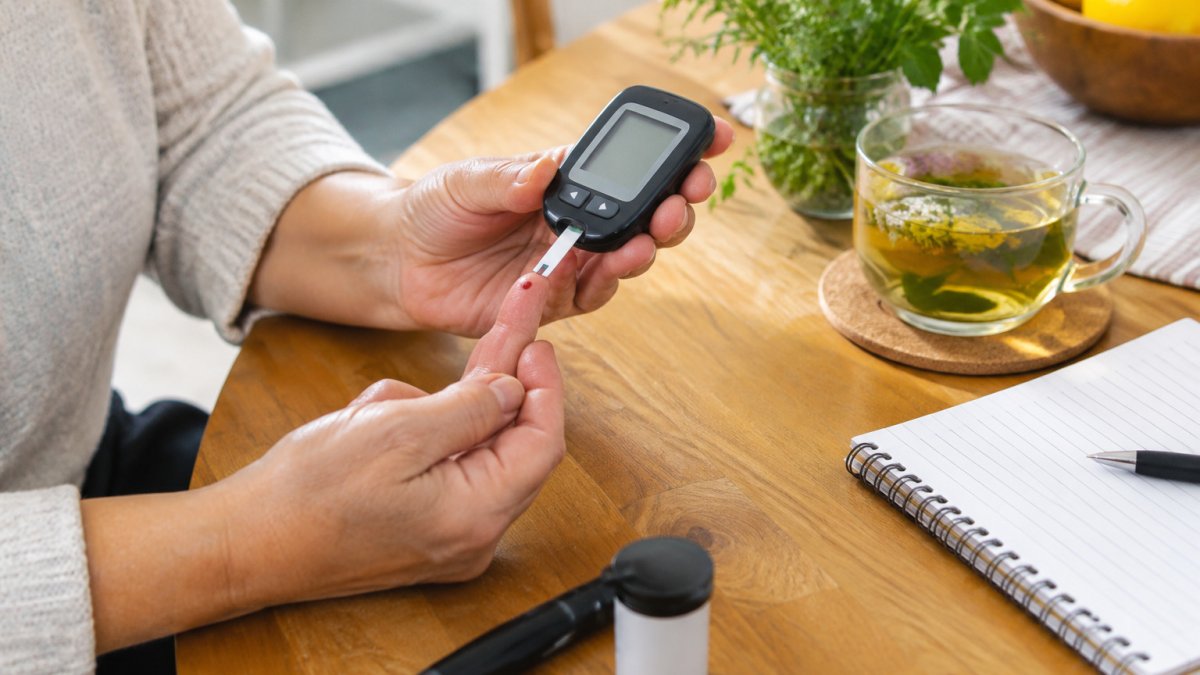
Here is a simple way to test:
- Check your glucose at the same times each day for several days.
- Include a fasting reading when you wake up. For a closer look at why readings often run high first thing in the morning, see why morning blood sugar runs high.
- Add readings before and about two hours after meals.
- Write each number down with the time and what you ate.
A study on who benefits most from glucose monitoring devices is worth reading to understand which patients gain the most from frequent checks Yale School of Medicine study on who benefits most from glucose monitoring devices. Ask your clinician how often you should test while you are starting something new.
A Step-by-Step Monitoring Protocol Before and After a New Supplement
A supplement change is a small experiment, and like any experiment it needs a baseline, a schedule, and a rule for when to stop. The protocol below connects directly to the testing methods most clinicians recommend: fingerstick readings from a glucose meter, or trend data from a continuous glucose monitor (CGM). Use whichever you already have, and keep the same method throughout so your numbers stay comparable.
Step 1: Set a Baseline Before You Start
Collect at least seven days of readings before the first dose. Seven days is long enough to capture weekday and weekend patterns, and short enough that you will actually finish it. Test at consistent times:
- A fasting reading within 30 minutes of waking, before coffee or food.
- A pre-meal reading immediately before your largest meal.
- A post-meal reading about two hours after the first bite of that meal.
Record the supplement name, dose, and timing you plan to use, but do not start it yet. Before you buy, a how-to guide on herbal sleep support explains how to judge the quality of herbal products. Note anything unusual during the baseline week, illness, poor sleep, a new medication, travel, or a stressful event, because those factors can shift readings independently of any supplement.
Step 2: Start the Supplement and Hold Everything Else Steady
Begin the supplement at the dose on the label or the dose your clinician recommended. Keep monitoring your readings as you follow that dose, and consider how supplements may need extra care when used alongside semaglutide, including Afterglow.
Watch out: if you take a supplement that may lower glucose and you also take insulin or a sulfonylurea, the combination can push readings below your target range. You can also prepare by reviewing questions to ask before starting herbal wellness support.
Step 3: Test on a Fixed Schedule for Two Weeks
Keep the same testing times you used for your baseline. A practical pattern is:
Synergy Spice: Bay, Cinnamon & Oregano Herbal Tea →
- Fasting reading every morning.
- Pre-meal and two-hour post-meal readings for your largest meal each day.
- One extra reading anytime you feel shaky, sweaty, confused, or unusually thirsty.
If you use a CGM, review the daily trend graph each evening rather than reacting to single alerts. Trend arrows show direction and speed of change; a single arrow up after a meal is normal, while a sustained rise across several hours and several days is the pattern worth discussing.
Step 4: Compare Patterns, Not Single Numbers
At the end of two weeks, compare your average fasting reading, your average post-meal reading, and the time you spent in your target range against the same measures from your baseline week. Normal day-to-day variation is expected, so look for a consistent shift across multiple days rather than one outlier. If your readings have moved in a direction that concerns you, or if you have had any low reading, contact your clinician before increasing the dose or adding another product.
Step 5: Decide Whether to Continue, Adjust, or Stop
Bring your log to your appointment and ask a direct question: do these numbers support continuing this supplement at this dose? Your clinician may suggest extending the trial, lowering the dose, stopping the product, or changing how often you test. Do not make that decision from a single reading or a single good or bad day.
The protocol runs in five steps, each with a clear timing or frequency you can follow.
| Step | What to do | Time or frequency |
|---|---|---|
| Set a baseline | Record fasting, pre-meal and post-meal readings | At least seven days before first dose |
| Start the supplement | Begin at label or clinician dose; change nothing else | First two weeks held steady |
| Test on a fixed schedule | Fasting, pre-meal and two-hour post-meal readings | Daily for two weeks |
| Compare patterns | Compare averages and time in target range to baseline | End of two weeks |
| Decide next action | Bring log to clinician to continue, adjust or stop | At follow-up appointment |
Building a Blood Glucose Monitoring Log You Can Actually Use
Most glucose logs fail for the same reason: they capture numbers but not context. A log that supports a supplement decision needs to answer three questions, what did I take, what else was happening, and did my pattern change? Build the log around those questions and it becomes a clinical document rather than a diary.
The Columns That Matter
Use a paper grid or a spreadsheet with these fields for every entry:
- Date and time of the reading.
- Glucose value and the unit your meter uses (mg/dL in the United States).
- Reading type: fasting, pre-meal, two-hour post-meal, bedtime, or symptom-driven.
- Supplement name, dose, and time taken.
- Diabetes medication name, dose, and time taken.
How to Read Your Own Log
Once you have a week of entries, calculate three simple summaries: your average fasting reading, your average two-hour post-meal reading, and the number of readings below your personal target. Compare those summaries week over week rather than day over day. A single high reading after a restaurant meal is not a signal; three consecutive mornings above your usual fasting range is.
Confounders to Note Before You Blame the Supplement
Glucose readings move for reasons that have nothing to do with a new product. Before you conclude a supplement changed your numbers, check the log for:
- A meal that was larger, later, or higher in carbohydrate than usual.
- Unaccustomed exercise, or several days without it.
- Illness, even a mild cold, which commonly raises readings.
- Poor sleep or a stressful event.
- A missed or late dose of diabetes medication.
If one of these appears in the same window as the reading change, note it and extend your observation period before drawing a conclusion.
Preparing the Log for Your Clinician
Bring a one-page summary to your appointment: baseline averages, current averages, the supplement name and dose, the dates of the trial, and any readings outside your target range with the circumstances noted. Clinicians can act on that summary far faster than on a month of raw numbers. Ask whether your clinician wants the full log or only the summary, and how often they want you to test while the supplement trial continues.
Supplements and Diabetes Medication Interactions: When to Call Your Doctor
Supplements can interact with diabetes medicine. Call your doctor or pharmacist before you start any new product if you notice: safety considerations for starting herbal supplements lists more situations to discuss.
- Readings that fall below your target range
- Frequent shakiness, sweating or confusion
- Readings that climb without a clear cause
- Any new symptom that concerns you
Bring your monitoring log and your full supplement list to the appointment. This gives your clinician the details needed to judge safety. Be cautious with any product that claims to replace prescribed care.
Booking Your Next Step: Review Your Supplement Plan With a Clinician
Start by sharing your baseline log with your healthcare provider before adding anything new. Ask them which numbers they want to see and how often. Once you have a plan, you can review the supplements you are considering with them. HighFiveHive Nature's Remedies-Kitchen Herbalism can help you explore natural options, but your clinician should always have the final say on what fits your diabetes care.
Frequently Asked Questions
Can supplements spike blood glucose?
Some supplements can raise blood sugar, and the effect depends on the product, the dose and your overall health. Products that contain sugars or other carbohydrates, certain herbs, and some supplements that interact with diabetes medications may all shift readings. The American Diabetes Association notes that supplements are not proven as an effective way to lower blood glucose or manage diabetes. If you notice a sudden change after starting a product, record it, test again as directed, and contact your doctor or pharmacist rather than stopping or adjusting your diabetes medication on your own.
Can supplements interact with diabetes medications?
Yes. Some supplements can add to the glucose-lowering effect of diabetes medications, which raises the risk of hypoglycemia, while others may reduce a medication's effectiveness. Because the interaction depends on the specific product and your prescriptions, bring a complete list of everything you take, including vitamins, herbal teas and over-the-counter products, to each appointment. Ask your doctor or pharmacist to review that list before you start any new supplement.
How long should I track blood sugar after starting a supplement?
Track your readings consistently for at least the first two weeks after starting a new supplement, and keep logging for as long as you use it. Test at the times your clinician recommends, usually fasting and before and after meals, and note the supplement, dose and time taken alongside each reading. Share the log with your healthcare team, since a pattern over several weeks tells them more than a single high or low number.
Should I tell my doctor or pharmacist about supplements if I have diabetes?
Yes. Tell your doctor and pharmacist about every supplement, herbal tea and vitamin you use, including the dose and how often you take it. Many people assume natural products are harmless and leave them off the list, but they can affect blood glucose readings and how your medications work. Keeping an updated list makes it easier for your care team to spot potential problems early.


Leave a comment