
Natural Alternatives to Synthetic Diabetes Medication
Table of Contents
- What Are Natural Alternatives to Synthetic Diabetes Medication?
- How to Manage Diabetes Naturally: Diet, Movement, and Monitoring
- Herbal Supplements for Blood Sugar Control: What the Evidence Shows
- Safety of Herbal Remedies for Diabetes: Interactions and Red Flags
- Quality Control in Supplements: How to Read Labels and Avoid Contamination
- Personalized Biomarker Tracking and Deprescribing Protocols
- Conclusion: A Safety-First Path Forward
- Frequently Asked Questions
Last Updated: September 29, 2026
What Are Natural Alternatives to Synthetic Diabetes Medication?
Natural alternatives to synthetic diabetes medication are herbal, dietary, and lifestyle approaches that support blood glucose levels without replacing prescribed drugs. At HighFiveHive Nature's Remedies-Kitchen Herbalism, our RN-led kitchen herbalism draws on 40 years of nursing experience to help people explore these options safely.

How to Manage Diabetes Naturally: Diet, Movement, and Monitoring
The most effective way to manage diabetes naturally is to treat diet, movement, and monitoring as one system rather than three separate habits. Lifestyle intervention remains the foundation that every supplement sits on top of.
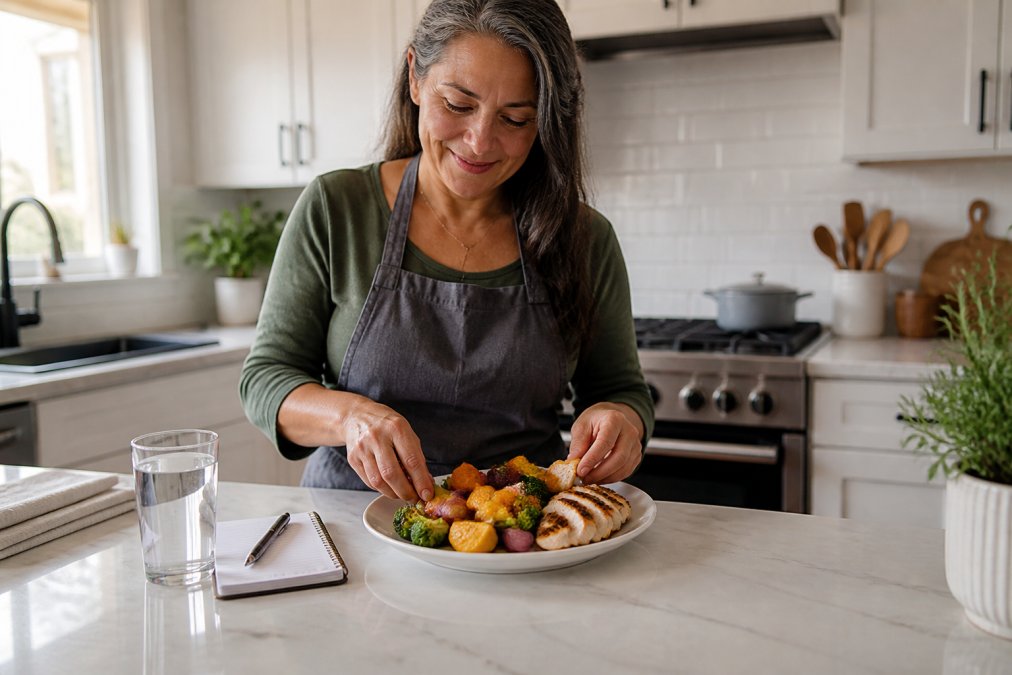
Building a Blood Sugar-Friendly Plate
Fill half the plate with non-starchy vegetables, a quarter with lean protein, and a quarter with fiber-rich carbohydrates. Dietary fiber slows glucose absorption, which flattens the postprandial glucose spike after meals.
Movement and Stress: The Missing Pieces
Muscle contractions during movement pull glucose out of the bloodstream without extra insulin, which improves insulin sensitivity over time. A 10-minute walk after dinner is one of the highest-return habits available.
Herbal Supplements for Blood Sugar Control: What the Evidence Shows
Herbal supplements for blood sugar control range from well-studied kitchen spices to traditional botanicals with thin clinical trials behind them. The mistake most listicles make is treating every herb as equally proven. It helps to sort them into tiers.
How Each One Actually Works
Understanding the mechanism tells you when to take it and what to watch for.
- Berberine activates AMPK, an enzyme that improves insulin sensitivity and glucose uptake. Typical studied doses are 500 mg two to three times daily. It can cause GI upset and interacts with several prescription drugs, including metformin and cyclosporine.
- Cinnamon may mimic insulin at the receptor level and slow gastric emptying. Studied doses range from 1 to 6 g daily of cassia. Cassia contains coumarin, which is liver-toxic at high chronic doses, a real concern for anyone on a blood thinner.
- Fenugreek seed is high in soluble fiber (galactomannan), which slows carbohydrate absorption. Typical studied doses are 5 to 10 g daily. It can cause GI symptoms and has a maple-syrup odor side effect.
- Gymnema sylvestre contains gymnemic acids that block sweet taste receptors and may support pancreatic beta-cell function. Studied doses are 200 to 400 mg of standardized extract daily. It can amplify the effect of blood sugar-lowering medication.
- Hibiscus is a mild ACE inhibitor and diuretic. It may lower both blood pressure and fasting glucose modestly. It can compound the effect of antihypertensive drugs.
- Turmeric/curcumin is anti-inflammatory and antioxidant. Curcumin is poorly absorbed alone; piperine from black pepper increases bioavailability substantially. It can interact with blood thinners and affect gallbladder function.
What the Evidence Actually Shows
The honest summary: no single botanical matches the glucose-lowering effect of a prescription medication. What the better trials show is modest reductions in fasting glucose and HbA1c when herbs are layered on top of diet, movement, and prescribed therapy, not as replacements for any of them.
| Herb | Mechanism | Studied Dose Range | Form to Look For | Key Interaction |
|---|---|---|---|---|
| Berberine | AMPK activation, insulin sensitivity | 500 mg 2-3x daily | Standardized extract (berberine HCl) | Metformin, cyclosporine |
| Cinnamon (cassia) | Insulin receptor mimicry, slowed gastric emptying | 1-6 g daily | Standardized extract or whole bark | Blood thinners (coumarin) |
| Fenugreek | Soluble fiber slows carb absorption | 5-10 g daily | Seed powder or tea | Blood sugar-lowering drugs |
| Gymnema | Blocks sweet receptors, beta-cell support | 200-400 mg extract daily | Standardized leaf extract | Diabetes medication |
| Hibiscus | Mild ACE inhibition, diuresis | 1-2 cups tea daily | Dried calyx, loose leaf | Blood pressure medication |
| Turmeric | Anti-inflammatory, antioxidant | 500-2,000 mg curcumin daily | Root with black pepper (piperine) | Blood thinners, gallbladder conditions |
Kitchen Herbs and Teas That Support Glucose Metabolism
Loose-leaf blends are a practical entry point because you control the dose and can taste what you're drinking. HighFiveHive Nature's Remedies-Kitchen Herbalism formulates several blends around exactly these botanicals.
Safety of Herbal Remedies for Diabetes: Interactions and Red Flags
The safety of herbal remedies for diabetes hinges on one question: does this botanical stack with your prescriptions or fight them? Gymnema can amplify blood sugar-lowering medication. Hibiscus may add a mild blood pressure-lowering effect. Holy basil can interact with blood thinners. Berberine can raise blood levels of metformin and other drugs by affecting liver enzymes.
The Real Risk: Stacked Hypoglycemia
Hypoglycemia is the primary danger when a botanical stacks with medication. The mechanism is straightforward: if a prescription drug is already lowering your glucose and an herb adds a second glucose-lowering pathway, the combined effect can push you below 70 mg/dL.
Synergy Spice: Bay, Cinnamon & Oregano →
Red Flags That Should Stop You
- A product promising to replace insulin or "reverse" diabetes
- No ingredient quantities listed anywhere on the label
- Instructions to stop your prescribed medication
- No contact information for the manufacturer
- A "proprietary blend" that hides individual herb doses
Deprescribing: The Conversation Most Guides Skip
Deprescribing is the supervised, stepwise reduction of a medication when the clinical picture supports it. It is never a solo project, and it is the single most important safety topic that natural-health content tends to ignore.
- Document a trend, not a reading. Bring at least two to four weeks of fasting and postprandial glucose logs, plus any recent HbA1c result.
- Change one variable at a time. Your provider will adjust a single medication dose, then wait and observe before touching anything else.
- Continue monitoring after each change. Glucose response can shift for days after a dose reduction.
- Keep the herbs constant during the taper. If you change your supplement routine at the same time, you can't tell what caused the shift.
- Have a reversal plan. If numbers climb, the previous dose is restored. Deprescribing is reversible by design.
Regulatory Reality
The FDA guidance on dietary supplements is clear that these products are not reviewed for effectiveness before sale, which is why label literacy matters so much. Unlike prescription drugs, supplements do not need pre-market approval for safety or efficacy (the FDA). That places the burden of due diligence on you and your provider.
Quality Control in Supplements: How to Read Labels and Avoid Contamination
Quality control in supplements comes down to three label checks: a third-party testing seal, a full ingredient list with quantities, and a manufacturer you can actually contact.
Personalized Biomarker Tracking and Deprescribing Protocols
Personalized biomarker tracking means monitoring your own glucose response to specific foods, herbs, and timing rather than following generic advice. Fasting plasma glucose, postprandial glucose, and HbA1c levels each tell a different part of the story.
Conclusion: A Safety-First Path Forward
The hardest part of exploring natural alternatives to synthetic diabetes medication isn't finding herbs. It's knowing which ones are safe alongside your prescriptions, at what dose, and from a source you can trust.
Frequently Asked Questions
Is there a holistic alternative to metformin?
No herbal product has been shown to match metformin's glucose-lowering effect in clinical trials. Some natural alternatives, including berberine and cinnamon, may support insulin sensitivity and blood glucose levels, but they work differently and are not substitutes. If you want to reduce or replace metformin, work with your prescriber on a monitored deprescribing protocol that includes regular HbA1c checks and fasting plasma glucose testing. Never stop metformin on your own, because sudden discontinuation can cause dangerous hyperglycemia.
What are the FDA regulations regarding herbal supplements for blood sugar management?
In the United States, the FDA regulates dietary supplements under a framework that does not require pre-market approval for safety or effectiveness. Manufacturers are responsible for ensuring their products are safe and accurately labeled, but the agency does not verify glucose-lowering claims before a product reaches shelves. This means quality varies widely. Look for third-party testing seals, standardized extracts, and clear ingredient lists. The FDA does not permit supplement labels to claim they diagnose, treat, cure, or prevent diabetes.
Can lifestyle changes effectively replace synthetic diabetes medication?
For some people with early-stage type 2 diabetes, intensive lifestyle intervention, including dietary changes, weight loss, and regular physical activity, can reduce the need for medication. Clinical trials have shown that structured lifestyle programs can improve HbA1c levels and, in certain cases, achieve remission. However, this depends on how long you have had diabetes, your pancreatic function, and other health factors. Any change to your medication regimen should be guided by your healthcare provider with regular biomarker tracking.
How should patients discuss natural alternatives with their primary care physician?
Bring a written list of every herb, tea, and supplement you take, including doses and how often. Mention your interest in natural alternatives to synthetic diabetes medication and ask about potential interactions with your current prescriptions. Ask specifically about hypoglycemia risk, because herbs like gymnema and fenugreek may amplify the effects of insulin or sulfonylureas. Request baseline and follow-up lab work, including HbA1c and fasting plasma glucose, so you and your provider can track whether the natural approach is helping or harming your glycemic control.
What are the risks of stopping synthetic diabetes medication without medical supervision?
Stopping diabetes medication abruptly can cause blood glucose levels to rise quickly, leading to hyperglycemia, diabetic ketoacidosis, or hyperosmolar syndrome, both of which are medical emergencies. The risk is highest for insulin and sulfonylureas. Even if you feel fine, uncontrolled glucose damages blood vessels, nerves, and organs over time. If you want to reduce your medication, ask your provider about a structured deprescribing protocol that includes frequent monitoring, clear warning signs to watch for, and a plan to restart medication if your numbers worsen.


Leave a comment