
Get a Personalized Herbal Health Plan: A Step-by-Step Guide
Table of Contents
- What Is a Personalized Herbal Health Plan?
- How to Verify Herbalist Credentials and Find RN-Led Support
- Step-by-Step: Preparing for Your Herbal Consultation
- Benefits of RN-Led Herbal Consultations
- Herbalism Safety and Drug Interactions: What You Need to Know
- How Personalized Herbal Treatment Plans Are Developed
- Cost and Insurance Coverage for Herbal Health Plans
- Conclusion
Last Updated: August 21, 2026
What Is a Personalized Herbal Health Plan?
A personalized herbal health plan is a customized wellness strategy developed with a qualified healthcare professional that combines medicinal herbs tailored to your specific health goals, medical history, and current medications. Unlike generic herbal remedies found online, a personalized plan accounts for your unique physiology, existing conditions, and potential drug-herb interactions to create a safe, targeted approach to natural wellness.
At HighFiveHive Nature's Remedies-Kitchen Herbalism, we understand that one-size-fits-all herbal recommendations often fall short. A genuine personalized herbal health plan bridges the gap between DIY kitchen herbalism and clinical medicine, giving you professional oversight with the natural efficacy of botanical remedies. Instead of grabbing whatever herb seems to address your symptom, you work with someone who understands both herbal science and conventional medicine, assessing your complete health picture and recommending specific herbs with evidence-based dosing.
How to Verify Herbalist Credentials and Find RN-Led Support
The herbalism field includes practitioners with vastly different backgrounds and training levels. Verifying credentials before beginning any herbal wellness work is essential.
Registered Nurses (RNs) bring clinical training, pharmacology knowledge, and awareness of drug interactions, crucial when combining herbs with prescription medications. An RN-led approach means someone with healthcare licensing, continuing education requirements, and professional accountability. Beyond RN credentials, seek practitioners trained in clinical herbalism through accredited programs. Organizations like the American Herbalists Guild maintain practitioner directories where you can verify training and experience.
Red flags include vague credentials, claims that herbs cure diseases, refusal to discuss medication interactions, or pressure to buy expensive supplement packages. Legitimate practitioners recommend getting prescriptions from your doctor while using herbs as complementary support.
HighFiveHive Nature's Remedies-Kitchen Herbalism operates with 40 years of nursing experience, meaning every recommendation comes from someone trained in both clinical medicine and botanical science, preventing the common pitfall where enthusiastic herbalists miss serious drug interactions.
Step-by-Step: Preparing for Your Herbal Consultation
Gather Your Medical History
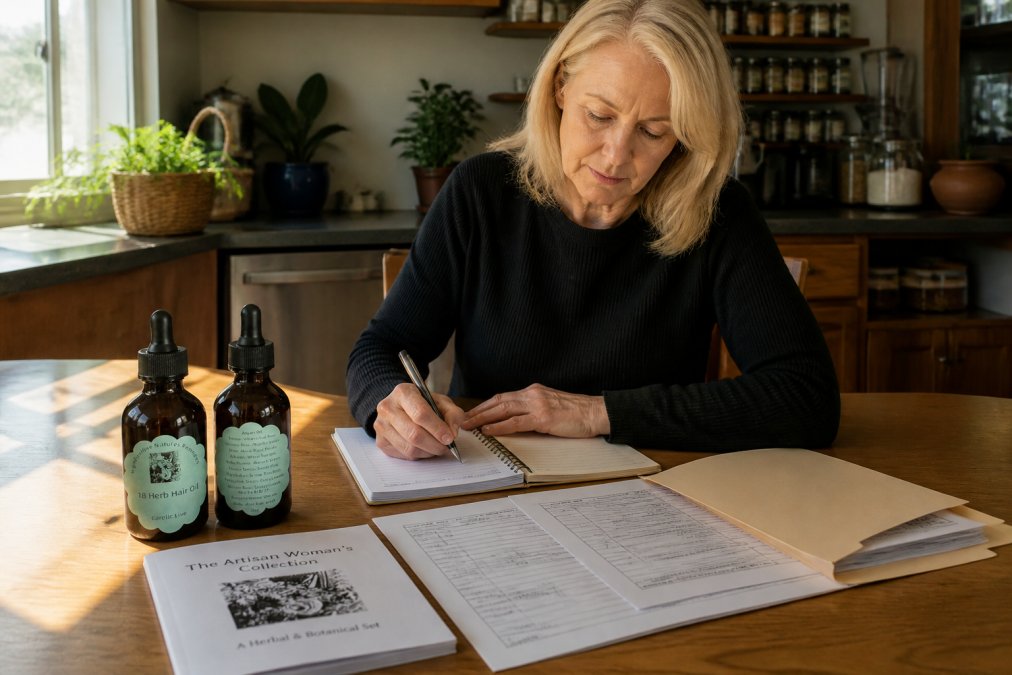
Before your consultation, compile a complete medical history document including current and past diagnoses, hospitalizations, surgeries, and family health history. Include mental health history: depression, anxiety, trauma. These contexts matter because certain herbs interact with emotional or neurological conditions.
Document any allergies and especially any reactions you've had to supplements or herbal products. This helps your practitioner understand your sensitivity patterns and avoid similar botanicals.
Document Current Medications and Supplements
Make a complete list of every medication you take, including dosage and frequency: prescription drugs, over-the-counter medications, birth control, hormone replacement therapy, and other regular medications. List all supplements, vitamins, and herbal products you currently use, including protein powders, probiotics, fish oil, and vitamins. Include brand names and dosages if available, as standardization matters in herbal medicine.
Identify Your Health Goals
Be specific about what you want to address. Instead of "I want to feel better," write: "I want to manage my blood sugar levels more stably" or "I want to reduce joint discomfort so I can walk without pain." Clarity about your primary goals helps your practitioner prioritize which herbs to include.
List secondary goals and lifestyle factors affecting your health: stress level, sleep quality, exercise habits, and diet patterns. These context clues help your practitioner recommend a complete wellness approach.
Benefits of RN-Led Herbal Consultations
Working with an RN-led herbal practice delivers benefits unavailable from generic online recommendations. The nursing background means clinical training in anatomy, physiology, pharmacology, and pathology, foundational knowledge that prevents dangerous recommendations.
An RN understands drug-herb interactions at a clinical level. They know which herbs can potentiate blood thinners, interfere with diabetes medications, or reduce birth control effectiveness (peer-reviewed research). RN-led consultations include ongoing monitoring and adjustment, not just a list of herbs but a clinical monitoring protocol checking your progress and adjusting dosing as needed.
You also receive education about why specific herbs were chosen for you. Understanding the mechanism, which herb supports blood sugar regulation, which reduces inflammation, which supports hormonal balance, helps you feel confident in your plan and more likely to follow through consistently.
Herbalism Safety and Drug Interactions: What You Need to Know
The biggest myth about herbal medicine is that "natural" automatically means "safe." Herbs are powerful substances containing bioactive compounds that affect your body (peer-reviewed research). That's why they work, and also why they require the same respect for safety as any medication.
Common drug-herb interactions include herbs that potentiate blood thinners, interfere with blood pressure medications, reduce birth control effectiveness, or interact with psychiatric medications. Someone managing diabetes needs to know which herbs support blood sugar regulation without creating hypoglycemia risk. Someone on thyroid medication needs to understand which herbs affect thyroid function.
A qualified practitioner working from your complete medical history catches contraindications before recommending anything unsafe. Standardization and quality control matter too, not all herbal products are created equal. Working with a practitioner who sources from reputable suppliers ensures you're getting actual therapeutic doses of medicinal herbs, not fillers or contaminated products.
How Personalized Herbal Treatment Plans Are Developed
Assessment and Clinical Consultation
The foundation of any personalized herbal health plan is thorough assessment. Your practitioner reviews your medical history, current medications, supplements, lifestyle factors, and specific health goals. They ask detailed questions about symptom patterns and may evaluate your energy level, skin condition, digestion, sleep quality, and emotional state.
The assessment phase includes discussion of realistic expectations. Herbal support works gradually in most cases. Diabetes management takes weeks to show effects on blood sugar patterns (the NIH). Joint discomfort improvement builds over months as inflammation decreases. Hormonal balance unfolds across menstrual cycles. Setting accurate expectations increases adherence.
Custom Herbal Formula Creation
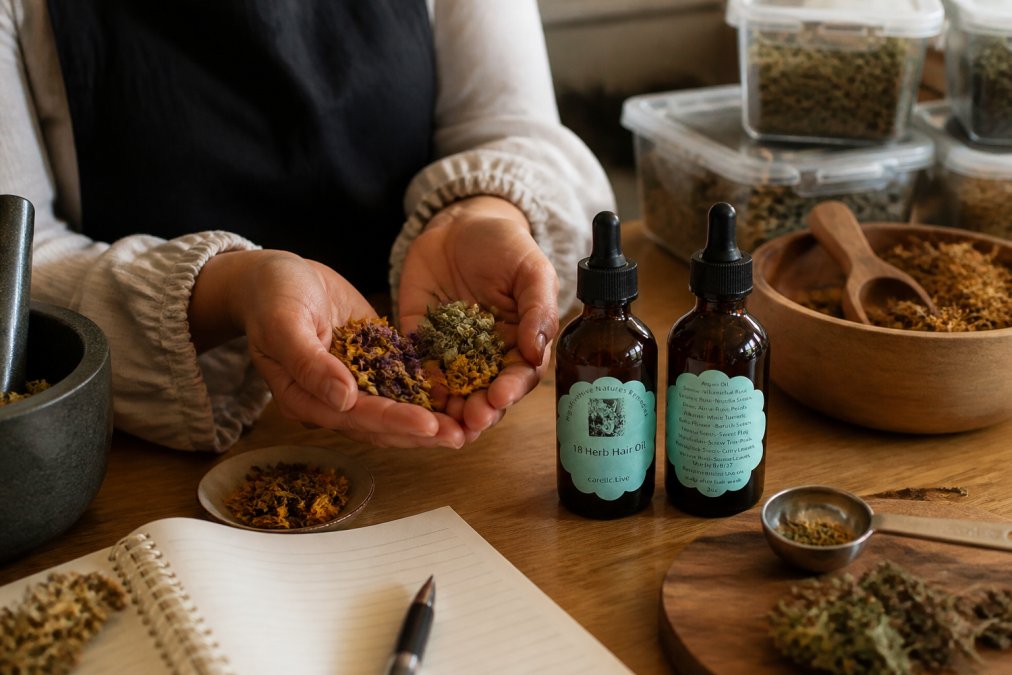
Once assessment is complete, your practitioner creates a custom herbal formula tailored specifically to you. This isn't a generic blend, it's a formula designed around your specific health pattern, medication interactions, taste preferences, and lifestyle.
The formula might combine multiple herbs, each serving a specific function. One addresses the primary health goal while others support related systems. This combination is designed for synergy, the herbs work better together than any single herb alone. Your practitioner considers delivery method: tincture, tea, capsule, or herbal oil. Someone managing blood sugar might benefit from a bitter herbal tea taken before meals. Someone with joint discomfort might prefer a tincture. Someone managing women's health might use a targeted collection like The Artisan Woman's Collection A Herbal & Botanical Set ($118.00), which includes Angelica Sinensis, Ashwagandha Root, and Chaste Tree Berries.

Dosing Guidance and Ongoing Monitoring
Your practitioner provides specific dosing guidance: how much herb, how often, for how long. They explain what to expect, when you might notice changes, and what effects warrant contacting them.
Ongoing monitoring transforms a one-time recommendation into a clinical treatment plan. Your practitioner schedules follow-up consultations, typically monthly initially, to assess your response. Based on this monitoring, your practitioner adjusts the plan, increasing dosage, adding an herb, or replacing one that isn't working well.
Cost and Insurance Coverage for Herbal Health Plans
HighFiveHive Nature's Remedies-Kitchen Herbalism offers curated collections like The Aura Woman Complete Natural Balance Vitality Collection ($173.00) for comprehensive women's wellness or Peri Harmony Woman's Collection ($68.00) for perimenopause-specific support.


Most conventional insurance doesn't cover herbal consultations or products. However, if your practitioner is a licensed healthcare provider like an RN, some insurance plans may cover consultations coded as preventive care. Health Savings Accounts (HSAs) or Flexible Spending Accounts (FSAs) may allow pre-tax dollars for qualified herbal expenses.
Conclusion
Getting a personalized herbal health plan means stepping beyond generic online recommendations into professional, clinically-informed herbal support. The difference between DIY herbalism and RN-led botanical medicine is the difference between following recipes and receiving clinical care.
HighFiveHive Nature's Remedies-Kitchen Herbalism brings 40 years of nursing experience to herbal wellness, meaning every recommendation combines clinical knowledge with botanical expertise. Whether you're managing blood sugar levels, supporting immune resilience, or seeking women's health support, working with an experienced RN-led practice ensures your herbal plan is both effective and safe. Start with a consultation to assess your needs, then move forward with confidence knowing your personalized herbal health plan is designed specifically for you.
Frequently Asked Questions
Q: How do I verify the credentials of an herbalist offering a personalized herbal health plan?
A: Look for practitioners with active nursing licenses (RN credentials) verified through your state's nursing board. Legitimate RN-led herbalism providers display their credentials prominently and can provide proof of licensure. Ask about their training in clinical herbalism and whether they follow evidence-based herbal practices. Avoid practitioners who make absolute cure claims or refuse to discuss safety protocols and drug-herb interactions with your existing medications.
Q: What should I expect during a personalized herbal health consultation?
A: A clinical consultation typically includes a detailed wellness assessment covering your health history, current medications, supplements, and specific health goals. The practitioner will discuss potential drug-herb interactions and conduct a thorough review of your preventive care needs. You'll receive personalized dosing guidance, information about bioavailability of herbs, and a custom herbal formula tailored to your needs. Most practitioners schedule monthly check-ins to monitor health outcomes and adjust your plan as needed.
Q: Are herbal health plans covered by insurance?
A: Coverage varies significantly by insurance plan and state regulations. Some plans cover naturopathic care or alternative medicine when delivered by licensed practitioners, while others do not. Check directly with your insurance provider about coverage for herbalism services. Many people use Health Savings Accounts (HSAs) or Flexible Spending Accounts (FSAs) to pay for herbal consultations. Verify coverage before your first appointment to understand your out-of-pocket costs.
Q: How do I know if an herbal plan is safe with my current medications?
A: A qualified RN-led practitioner will conduct a thorough review of all your medications and supplements to identify potential contraindications before creating your custom herbal formula. They'll assess bioavailability and timing to minimize interactions. Never start a personalized herbal health plan without disclosing all current prescriptions and over-the-counter medications. If you have complicated health conditions like diabetes or take multiple medications, the RN consultation process is especially important for ensuring safety protocols are in place.
This article was written using GrandRanker


Leave a comment