
Are Herbal Supplements Risky for Your Kidneys?
Last Updated: October 29, 2026
Quick Summary
Herbal supplements can harm your kidneys, and a review of case reports from 1966 through May 2016 linked roughly seven herbs and 10 dietary supplements to kidney-injury reports. People with chronic kidney disease face the highest risk, and herbs can also interact with prescription medicines. Talk to your nephrologist or pharmacist before adding any herb.
- Nephrotoxicity means a substance is toxic to your kidneys and reduces renal function.
- A 54-year-old man developed renal problems after about 15 or more spoonfuls of turmeric daily for 10 days.
- One review cited in Kidney News reported that 27.8% of CKD patients used supplements.
- The FDA does not regulate herbal supplements for dose or content, according to the National Kidney Foundation.
- A proprietary blend hides individual herb doses, so treat the dose as unknown and skip the product.
Table of Contents
- Why Natural Herbal Supplements Can Still Harm Your Kidneys
- Herbs That Affect Kidney Function: What the Case Reports Show
- Herbal Supplements and Chronic Kidney Disease: Who Faces the Highest Risk
- Herbal Supplement Interactions with Medications: The Hidden Danger
- How to Check Supplement Ingredients Before You Buy
- The Detox and Cleanse Myth: Why Your Kidneys Don't Need Flushing
- Safer Alternatives and Special Risks for Children and Older Adults
- Choosing RN-Led Herbal Guidance for Your Kidney Safety
- Frequently Asked Questions
Why Natural Herbal Supplements Can Still Harm Your Kidneys
A review of more than 50 years of published case reports, from 1966 through May 2016, found that roughly seven herbs and 10 dietary supplements had been linked to kidney-injury reports A. C. Brown's review of kidney toxicity from herbs and supplements. That finding does not prove your supplement will hurt you. It does prove that "natural" is not the same as "safe for kidneys."
At HighFiveHive Nature's Remedies-Kitchen Herbalism, our approach is RN-led kitchen herbalism, grounded in 40 years of nursing experience.
Here is the core problem most guides skip: your kidneys filter everything you swallow, and some of these compounds are hard on kidney tissue.
Nephrotoxicity is the medical term for damage to kidney tissue caused by a substance, including drugs, herbs, or supplements.
What Nephrotoxicity Means in Plain Terms
Nephrotoxicity means a substance is toxic to your kidneys, harming the tiny filters that clean your blood and reducing renal function.
The case reports summarized by Brown (2017) describe a wide spectrum of injuries, kidney stones, nephritis, nephrotic syndrome, tissue necrosis, and acute kidney injury. Some resolve; others leave lasting damage.
Your glomerular filtration rate, or GFR, is the main number doctors watch.
Herbs That Affect Kidney Function: What the Case Reports Show
Certain herbs and supplements recur in documented cases. The list reflects products named in case reports, not proof each one harms every user.
- Turmeric in very large doses. One report described a 54-year-old man who took about 15 or more spoonfuls of turmeric daily for 10 days and then developed renal problems, according to Pharmacy Times coverage of natural products linked to kidney failure. The report gives no measured outcome beyond that.
- Products marketed for weight loss or "cleansing," which sometimes contain compounds with a strong diuretic effect.
- Herbal blends with unknown ingredients, where heavy metal contamination has been documented as a concern.
Dose matters as much as the herb: a culinary amount of spice and 15 spoonfuls a day are not the same exposure.
Herbal Supplements and Chronic Kidney Disease: Who Faces the Highest Risk
People with existing chronic kidney disease face the highest risk from herbal supplements: their kidneys have less reserve, so added strain matters more.
The National Kidney Foundation and the American Kidney Fund both urge caution, noting supplements may worsen kidney disease or interact with prescription medicines. These widespread consumption habits often overlook the reality that clinical testing of supplements remains inconsistent and rarely meets the rigorous standards required for pharmaceutical safety.
If you have CKD, the practical rule is simple: talk to your nephrologist before adding any herb. Bring the actual bottle. Do not rely on a label claim.
Older adults and people with diabetes also sit in a higher-risk group.
Herbal Supplement Interactions with Medications: The Hidden Danger
Herbal supplement interactions with medications are among the least visible risks: herbs can change how fast your body clears a drug, shifting drug levels in your blood.
That matters most for medicines with a narrow safe range, blood thinners, blood pressure drugs, diabetes medications, and transplant drugs.
The American Kidney Fund advises extra caution: supplements can interact with kidney medicines.
For a closer look at how herbs and prescriptions compare, read our guide on herbal remedies vs prescription medication. If you already take several herbs, see our nursing guide on how to safely combine herbs.
How to Check Supplement Ingredients Before You Buy
Start with the label, and read it like a nurse would. The FDA does not regulate herbal supplements for dose or content, according to the National Kidney Foundation, and a 2022 review notes the agency does not regulate them for premarketing purity and potency review of herbal supplements in conventional medical practice. That means the label is often the only information you get, and most guides stop there.
Decode the "Proprietary Blend" Trap
A proprietary blend lists several herbs with one combined milligram amount and no individual doses. It is legal, and it is the most common way manufacturers hide how little of an active herb you get: with five herbs at 500 mg total, you cannot know whether the first is 490 mg and the last 2 mg, or the reverse.
A trustworthy label lists each herb separately with its own milligram amount per serving. If you see "proprietary blend" or "herbal matrix" with no breakdown, treat the dose as unknown, skip the product or request a per-herb breakdown in writing.
Check the Plant Name, Part, and Extract Ratio
Three details separate a serious label from a vague one:
- Scientific name. "Ginkgo" is not enough; look for Ginkgo biloba. Common names vary by region and can point to the wrong plant.
- Plant part. Root, leaf, seed, and bark can carry different compounds and different kidney risk. A label that does not say which part was used is incomplete.
- Extract ratio or standardization. "10:1 extract" or "standardized to 5% actives" tells you how concentrated the product is. Without it, you cannot compare one bottle to another.
Screen for Contamination Red Flags
Heavy metal contamination has been documented in herbal blends and is invisible on the label. You cannot test a bottle in the store, but you can reduce risk:
- Buy from manufacturers who publish third-party certificates of analysis (COA) for heavy metals, microbes, and pesticides.
- Avoid products with no manufacturer name, no lot number, and no contact information, you cannot trace a problem back.
- Be wary of imported blends sold in bulk without English-language ingredient disclosure.
Run the Medication Cross-Check
Before you buy, list every prescription, over-the-counter drug, and other supplement you take, then have your pharmacist screen the new product against that list.
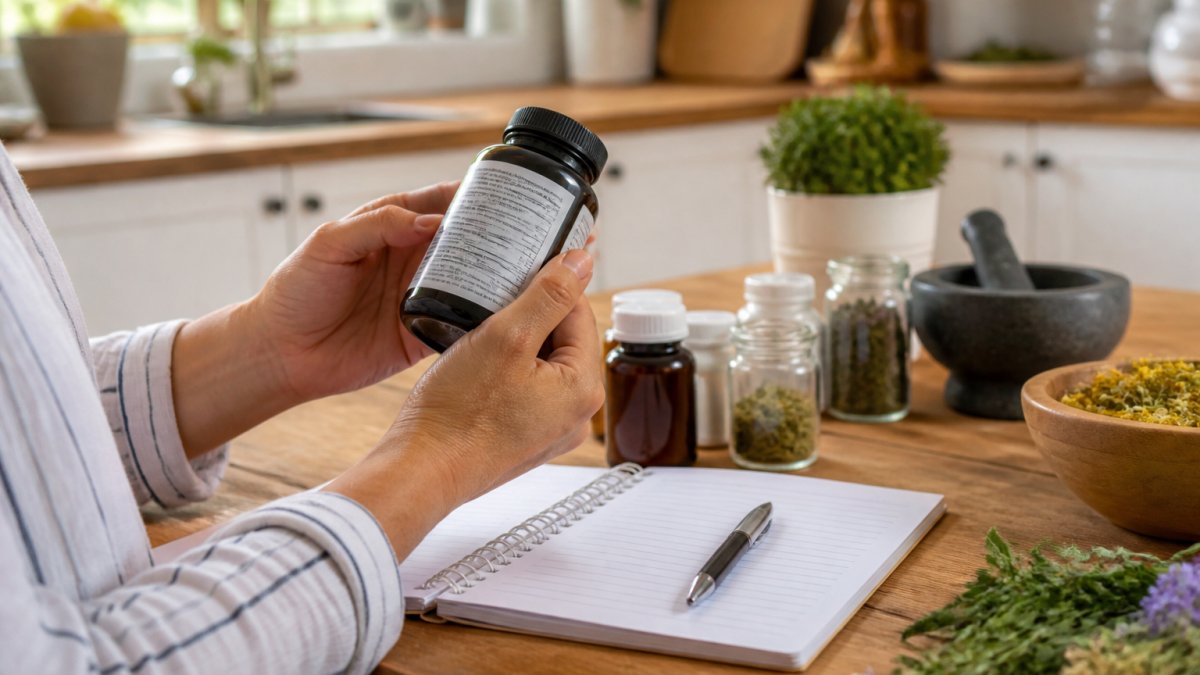
Use this checklist before you buy:
- Each herb is listed separately with its own milligram amount
- The scientific name and plant part are stated
- An extract ratio or standardization note is present
If you want a step-by-step safety walkthrough before starting anything new, our article on safety considerations for starting herbal supplements covers it in plain terms.
The Detox and Cleanse Myth: Why Your Kidneys Don't Need Flushing
Your kidneys do not need a flush. They filter roughly your entire blood volume many times a day without help from a tea.
The "detox" label is a marketing term, not a medical one.
Here is the contrarian point: a healthy kidney is already the detox system.
What actually supports renal function is boring and proven. Drink water. Control blood pressure. Manage blood sugar. Limit unnecessary NSAIDs. Skip the cleanse.
Safer Alternatives and Special Risks for Children and Older Adults
Two groups need extra care: children and older adults. The risks differ in each group, and so do the safer alternatives.
Children: Developing Kidneys, Adult-Sized Labels
A child's kidneys are still maturing, and glomerular filtration rate does not reach adult levels until roughly age two, with further refinement through childhood.
The practical problems are concrete:
- Weight-based dosing is missing. Most herbal labels give one adult serving size and no pediatric guidance. Without a clinician's weight-based calculation, you are guessing.
- Combination cold and sleep products. These often bundle several herbs, and a child may get overlapping doses from more than one product.
- Flavored gummies and chewables. These encourage overconsumption and rarely disclose per-unit herb doses clearly.
The safer first step for common childhood complaints is not an herb. For mild fluid retention or upset stomach, fluids and time usually resolve it. For sleep trouble, a consistent bedtime routine and reduced screen time come before any supplement.
Older Adults: Lower Reserve, More Medications
Older adults face a compounding problem: GFR declines with age even in healthy kidneys, leaving less reserve for added strain, while more prescription medications raise the chance of a drug-herb interaction.
A common pattern: an older adult adds a "natural" sleep aid or joint blend without telling anyone, and it interacts with a blood thinner, blood pressure drug, or diabetes medication.
Specific cautions for this group:
- Diuretic herbs plus prescription diuretics can compound fluid and electrolyte loss, leading to dehydration, dizziness, and falls.
- Herbs that affect clotting matter more for anyone on a blood thinner or with a bleeding disorder.
- Potassium and phosphorus content deserves attention for anyone with reduced kidney function, because some supplements add mineral loads the kidneys must clear.
Kidney-Safe Alternatives for Common Ailments
Users often reach for herbs for sleep, anxiety, or pain. Evidence-based, lower-risk first steps exist for each:
| Concern | Riskier Approach | Safer First Step |
|---|---|---|
| Mild fluid retention | Harsh "detox" tea or diuretic herb | Reduce salt, move more, ask your doctor |
| Trouble sleeping | High-dose sedative herbs | Consistent sleep routine, limit caffeine and alcohol, clinician review |
| Joint stiffness | Unverified multi-herb blend | Gentle movement, physical therapy, clinician-approved pain plan |
| Blood sugar swings | Unregulated "sugar" herb | Meal planning with your care team, prescribed medication review |
| Mild anxiety | Sedative herb blends | Breathing exercises, counseling, clinician review |
If symptoms persist or worsen, see a clinician rather than self-treating with a strong herb. For age-specific questions, ask your pharmacist to screen the product before the first dose.
Choosing RN-Led Herbal Guidance for Your Kidney Safety
Nursing training changes how you think about herbs: a nurse starts with your medications, lab values, and history before suggesting any plant.
HighFiveHive Nature's Remedies-Kitchen Herbalism offers RN-led kitchen herbalism, drawing on 40 years of nursing experience.
If you are ready for personalized guidance, our guide on finding a certified nurse herbalist walks you through what credentials to check. For the bigger question of whether herbs are safe at all, read is herbal medicine completely safe.
HighFiveHive Nature's Remedies-Kitchen Herbalism offers RN-led kitchen herbalism, natural diabetes support, immune system support, and women's health support, drawing on 40 years of nursing experience.
Frequently Asked Questions
Which herbal supplements can be harmful to the kidneys?
A review of documented case reports published in 2017 identified roughly seven herbs and 10 dietary supplements linked to kidney injury over a 50-year period. The reported injury spectrum included kidney stones, nephritis, nephrotic syndrome, necrosis, and acute kidney injury. The review describes case reports, not the probability of injury among all supplement users. Common culprits in case literature include products with diuretic effects, those contaminated with heavy metals, and high-dose herbal powders. Always discuss any herbal supplements with your doctor before starting them.
Are herbal supplements safe for people with chronic kidney disease?
The National Kidney Foundation and American Kidney Fund both advise extra caution for people with chronic kidney disease. Herbal supplements and chronic kidney disease do not mix well because impaired kidneys clear compounds more slowly, and products may worsen kidney disease or interact with prescription medicines. A cited report noted that 27.8% of patients with CKD used supplements, with flaxseed oil common. If you have CKD, speak with your nephrologist before adding any herbal product, and never replace prescribed treatment with a supplement.
How can I check whether a supplement is safe for my kidneys?
Start by reading the full ingredient panel, not just the front label. Look for diuretic herbs, high-potassium or high-phosphorus ingredients, and proprietary blends that hide doses. Check whether the product carries a third-party testing seal. The National Kidney Foundation notes that the FDA does not regulate herbal supplements for dose or content, and a 2022 review says premarketing purity and potency are not verified. Bring the bottle to your pharmacist or doctor, especially if you take kidney medications, to screen for drug-herb interactions.
What are the warning signs of kidney damage from supplements?
Watch for swelling in the legs or ankles, changes in urine output or color, fatigue, nausea, and shortness of breath. A reported case involved a 54-year-old man who consumed about 15 or more spoonfuls of turmeric daily for 10 days and developed renal problems. These signs can be silent until damage is advanced, so do not wait for symptoms. If you suspect a reaction, stop the supplement and contact a healthcare professional. Blood tests for glomerular filtration rate can check renal function.


Leave a comment