
Natural Immune Boosters for Adults: 7 Proven Strategies
Table of Contents
- 1. Harness Antioxidants Through Citrus Fruits and Vitamin C
- 2. Foods That Boost Immune System: Leafy Greens and Beta Carotene
- 3. Garlic, Ginger, and Herbal Extracts for Immune Response
- 4. Omega-3 Fatty Acids and Gut Microbiome Health
- 5. Probiotics, Yogurt, and Digestive Resilience
- 6. Vitamins for Immune Support: Micronutrients That Matter
- 7. Lifestyle Habits for Immune Health: Sleep, Activity, and Stress
- RN-Led Herbal Support for Natural Immune Boosters
Last Updated: August 20, 2026
Natural immune boosters for adults are strategies that strengthen your body's defenses against pathogens and reduce inflammation without synthetic interventions. At HighFiveHive Nature's Remedies-Kitchen Herbalism, we combine 40 years of nursing expertise with kitchen herbalism to help you build immune resilience through evidence-based natural approaches. This guide covers seven proven strategies that address the innate immune system, micronutrient gaps, and lifestyle factors that determine whether your body can mount an effective immune response.
Most people chase trendy superfoods without addressing foundational habits, sleep, stress, movement, that control your immune response at the cellular level. Below, we'll show you exactly how to layer nutrition, herbal support, and lifestyle modifications to create a comprehensive immune strategy.
| Strategy | Primary Benefit | Best For | Time to Notice |
|---|---|---|---|
| Citrus & Vitamin C | Antioxidant support | General immune resilience | 2-4 weeks |
| Leafy greens | Beta carotene & micronutrients | Sustained cellular function | 3-6 weeks |
| Garlic & ginger | Anti-inflammatory response | Acute immune challenges | 1-2 weeks |
| Omega-3 fatty acids | Gut microbiome health | Digestive resilience | 4-8 weeks |
| Probiotics & yogurt | Beneficial bacteria | Digestive health | 3-6 weeks |
| Micronutrient density | Cellular function | Prevention-focused | Ongoing |
| Sleep & movement | Circadian rhythm & stress | Recovery & adaptation | Immediate |
1. Harness Antioxidants Through Citrus Fruits and Vitamin C
Citrus fruits deliver ascorbic acid, a water-soluble antioxidant that supports your innate immune system by reducing oxidative stress in white blood cells. Unlike synthetic vitamin C supplements that flood your system in one dose, whole citrus provides vitamin C alongside bioflavonoids, compounds that enhance absorption and extend antioxidant activity.
Oranges, lemons, grapefruits, and tangerines contain between 30-85 mg of vitamin C per medium fruit. Fresh citrus also provides dietary fiber, which supports gut microbiome health, a foundation of immune resilience most guides overlook.
Your body can only absorb about 200 mg of vitamin C at a time; excess amounts pass through unused. One medium orange covers your daily needs. Two servings of citrus per day maintains steady antioxidant support without waste. Eat the whole fruit rather than drinking juice; the fiber matters for satiety and gut health.
2. Foods That Boost Immune System: Leafy Greens and Beta Carotene
Leafy greens, spinach, kale, collards, arugula, contain beta carotene, a precursor to vitamin A that your body converts as needed. Beta carotene functions as an immune-modulating nutrient, supporting the development of lymphocytes and gamma-delta T cells that form your adaptive immune response. Unlike vitamin A supplements, which can accumulate to toxic levels, beta carotene from food is converted on demand.
One cup of raw spinach provides roughly 2,800 IU of vitamin A activity. Cooked greens concentrate nutrients further; one cup of cooked kale delivers over 10,000 IU. Heat breaks down cell walls, making beta carotene easier for your body to absorb.
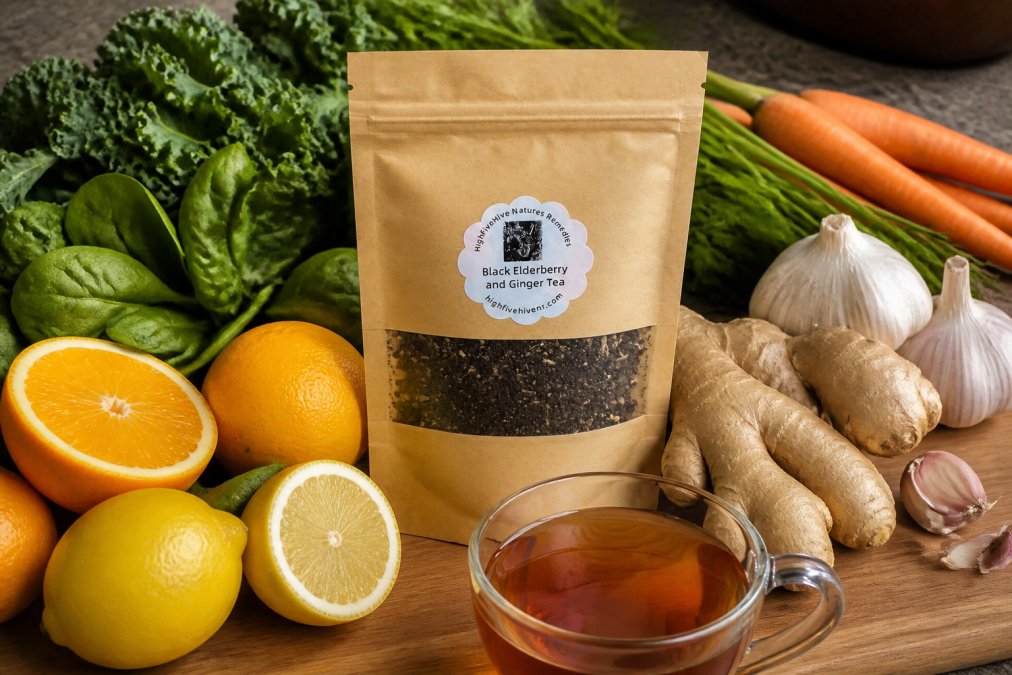
Integrate greens into every meal rather than eating them in isolation. A handful of spinach in your morning eggs, a side salad at lunch, and cooked collards at dinner spreads micronutrient intake across the day. Consistency matters more than perfection. Frozen spinach is nutritionally equivalent to fresh and lasts longer.
3. Garlic, Ginger, and Herbal Extracts for Immune Response
Garlic contains allicin, a sulfur compound released when cloves are crushed or chopped. Allicin has documented anti-inflammatory properties and supports your body's ability to manage pathogens. Ginger delivers gingerol and shogaol, compounds that reduce inflammation and support cellular function. Both work through different mechanisms, which is why combining them amplifies their effect.
Fresh garlic cloves minced and added to cooked food provide measurable immune support. One clove per day is a practical starting point. Ginger works best as a fresh-brewed tea: steep 1-2 teaspoons of grated fresh ginger in hot water for 5-7 minutes.
HighFiveHive Nature's Remedies offers Ruby Ginger Revive Black Elderberry & Ginger Tea, a blend that combines ginger's anti-inflammatory action with black elderberry's antioxidant support. Black elderberry provides a concentrated source of polyphenols, plant compounds that reduce oxidative stress in immune cells.

Fresh ginger works through gradual, sustained action. Concentrated extracts deliver higher doses in smaller volumes, useful when inflammation is acute. For baseline immune support, fresh ginger in daily tea is sufficient. For targeted immune response during seasonal challenges, an extract provides more concentrated support.
4. Omega-3 Fatty Acids and Gut Microbiome Health
Omega-3 fatty acids, found in fatty fish, flaxseeds, and walnuts, support the gut microbiome by feeding beneficial bacteria and reducing intestinal inflammation. Roughly 70% of your immune cells reside in gut-associated lymphoid tissue. A healthy microbiome means a competent immune response.
Fatty fish like salmon, mackerel, and sardines deliver EPA and DHA, the omega-3 forms your body uses directly. Plant sources like flaxseeds provide ALA, which your body converts to EPA and DHA, though conversion is inefficient (5-10%). Eating fish 2-3 times weekly provides more reliable omega-3 support.
A serving of salmon (3-4 ounces) contains 2,000-2,500 mg of omega-3s. Sardines are cheaper and equally nutrient-dense. If fish isn't part of your diet, a daily serving of ground flaxseeds (1-2 tablespoons) mixed into yogurt or oatmeal provides baseline support.
Modern diets are high in omega-6 fats (from vegetable oils, processed foods), which promotes inflammation. Omega-3s counter this. Aim for a 1:2 to 1:4 ratio of omega-3 to omega-6. This doesn't require eliminating omega-6 sources; it requires adding omega-3 sources consistently.
5. Probiotics, Yogurt, and Digestive Resilience
Probiotics are live beneficial bacteria that colonize your gut and support microbiome diversity. Yogurt contains naturally occurring probiotics, primarily Lactobacillus and Bifidobacterium strains. One cup of plain yogurt contains 100-500 million colony-forming units (CFUs) of beneficial bacteria, depending on the brand.
Choose plain yogurt without added sugar. Flavored yogurts often contain 15-25 grams of sugar per serving, which feeds pathogenic bacteria and undermines the benefit of probiotics. Add your own fruit, nuts, or honey if you prefer sweetness. Eat yogurt daily, or at least 5 days per week, to maintain bacterial populations.
Fermented foods like sauerkraut, kimchi, and kefir provide additional probiotic support. Sauerkraut is fermented cabbage; one serving contains beneficial bacteria plus vitamin K2. Kefir is fermented milk with a higher probiotic count than yogurt. Any of these, consumed regularly, supports digestive resilience.
Probiotics work through sustained, gradual colonization. After 3-4 weeks of consistent intake, many people report improved digestion, fewer bloating episodes, and better overall energy.
6. Vitamins for Immune Support: Micronutrients That Matter
Micronutrients, vitamins and minerals in small quantities, are essential cofactors for immune cell development and function. Vitamin D, zinc, selenium, and iron are the primary players. Most adults have at least one micronutrient deficiency, often without realizing it, because deficiency symptoms are vague: fatigue, frequent illness, slow wound healing.
Vitamin D is produced when your skin is exposed to sunlight. During winter months or if you spend most time indoors, your body may not produce enough. If you're deficient, supplementing with 1,000-2,000 IU daily raises levels over weeks. Food sources, fatty fish, egg yolks, fortified milk, provide smaller amounts.
Zinc supports lymphocyte function and is found in oysters, beef, pumpkin seeds, and chickpeas. Adult men need 11 mg daily; women need 8 mg. Most people meet this through diet if they eat meat or legumes regularly.
Selenium supports thyroid function and antioxidant defense. Brazil nuts contain 68-91 micrograms per nut, exceeding the daily requirement of 55 micrograms. Two Brazil nuts daily is sufficient.
Iron deficiency impairs immune cell production. Women of reproductive age are at higher risk. Red meat, poultry, legumes, and fortified cereals provide iron.
Food-based micronutrients should be your first strategy. A varied diet with vegetables, fruits, legumes, fish, and whole grains covers most micronutrient needs. Supplementation addresses specific deficiencies identified through testing, not guesswork.
7. Lifestyle Habits for Immune Health: Sleep, Activity, and Stress
Sleep is when your body repairs immune cells and consolidates immune memory. During deep sleep, your body increases production of cytokines, signaling molecules that coordinate immune response. Adults need 7-9 hours nightly. This isn't optional for immune resilience; it's foundational.
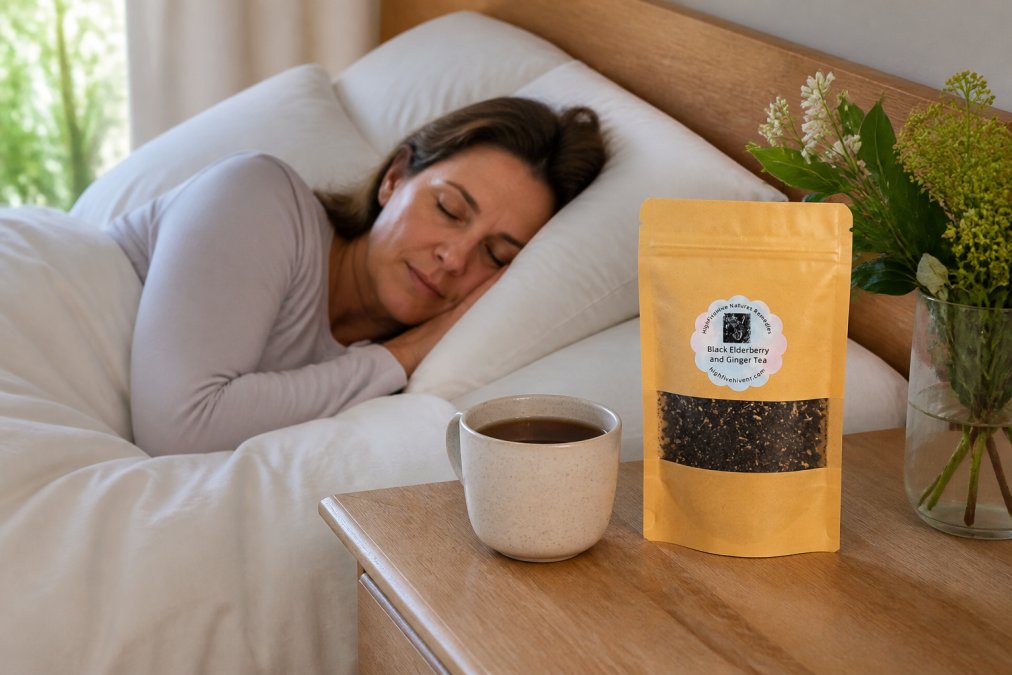
Circadian rhythm, your body's 24-hour cycle, controls when your immune system is most active. Disrupting this rhythm (shift work, irregular sleep schedules, late-night screen exposure) weakens immune function. Prioritize consistent sleep and wake times, even on weekends.
Physical activity reduces inflammation and improves immune cell circulation. Moderate activity, 30 minutes of walking, swimming, or cycling most days, is sufficient. Exercise also reduces cortisol levels when stress is chronic, breaking the cycle where prolonged stress suppresses immune function.
Chronic stress elevates cortisol, which suppresses lymphocyte production and increases inflammation. Stress-reduction practices, meditation, deep breathing, time in nature, lower cortisol and restore immune function. Even 10 minutes daily of focused breathing (4-second inhale, 6-second exhale) measurably reduces stress hormones.
These habits work together. Sleep enables your immune cells to function. Activity improves circulation. Stress management prevents cortisol from suppressing immune response. Address all three.
RN-Led Herbal Support for Natural Immune Boosters
The difference between DIY kitchen herbalism and professional-guided support comes down to safety and drug-nutrient interactions. If you're taking medications for diabetes, blood pressure, blood clotting, or hormonal conditions, certain herbs interact with those medications. An RN-led approach screens for these interactions before you start.
HighFiveHive Nature's Remedies combines herbal expertise with nursing credentials to ensure your natural immune boosters work safely alongside any existing treatment. Our Heritage Spice Elderberry & Botanical Extract blends black elderberry with ginger, calendula, and rose hips, each selected for specific immune-supporting properties and checked for compatibility with common medications.

For concentrated mushroom support, our Turkey Tail Mushroom of Tradition Double Extracted Tincture uses double extraction, both hot water and alcohol, to capture a wide spectrum of turkey tail's bioactive compounds. Turkey tail contains polysaccharides that support immune cell function.

The Ancient Traditions 4 Mushroom Double Extraction Tincture combines turkey tail, reishi, lion's mane, and cordyceps, each with different immune-supporting mechanisms. Reishi supports stress adaptation, lion's mane supports neurological health, cordyceps support energy and circulation, and turkey tail provides direct immune-cell support.
RN-led herbalism differs from online recipes: we know which herbs are safe for your specific situation, which interact with medications, and which extraction methods best preserve the compounds you need. This is especially important if you're over 50, managing chronic conditions, or taking multiple medications.
Building natural immune boosters for adults requires addressing multiple systems simultaneously: antioxidant intake through citrus and greens, anti-inflammatory support through garlic and ginger, microbiome resilience through omega-3s and probiotics, micronutrient density through varied whole foods, and lifestyle foundations through sleep, movement, and stress management.
HighFiveHive Nature's Remedies-Kitchen Herbalism provides RN-guided herbal support that complements these strategies. Our Ruby Ginger Revive Black Elderberry & Ginger Tea offers a daily ritual that delivers ginger's anti-inflammatory action and elderberry's antioxidant support. Start with one cup daily and adjust based on how your body responds. Get started with HighFiveHive Nature's Remedies and build immune resilience with professional guidance backing every choice.
Frequently Asked Questions
What is the most powerful natural immune booster for adults?
No single natural immune booster outperforms all others. The most effective approach combines multiple strategies: vitamin C from citrus and leafy greens, omega-3 fatty acids from fish or seeds, probiotics from fermented foods, and consistent sleep and physical activity. RN-led herbal extracts like elderberry and turkey tail mushroom offer concentrated micronutrients and antioxidants that support cellular function and reduce oxidative stress. The key is consistency across diet, lifestyle, and supplementation rather than relying on one source.
How do lifestyle habits for immune health actually improve immune function?
Sleep regulates circadian rhythm and cortisol levels, which directly control immune cell production and inflammatory response. Physical activity increases lymphocyte circulation and reduces chronic inflammation. Stress management lowers cortisol, which suppresses the innate immune system when elevated chronically. Together, these habits restore homeostasis and allow your body to mount an effective immune response when pathogens appear. Adults who prioritize 7-9 hours of sleep, 150 minutes of weekly activity, and stress reduction show measurably stronger immune markers.
Are vitamins for immune support better than food sources?
Food sources are generally superior because they provide micronutrients alongside fiber, phytonutrients, and antioxidants that enhance bioavailability and reduce oxidative stress more effectively than isolated supplements. However, supplementation fills gaps when dietary intake is insufficient, particularly for vitamin D in winter months or vitamin B12 for certain diets. The evidence-based hierarchy is: whole foods first, targeted supplements second. RN-led guidance ensures you address actual deficiencies rather than oversupplementing.
Can drug-nutrient interactions affect herbal immune support?
Yes. Certain herbs interact with blood thinners, immunosuppressants, diabetes medications, and blood pressure drugs. Garlic, ginger, and some mushroom extracts can potentiate anticoagulants. Barberry and olive leaf may interact with diabetes or blood pressure medications. Always consult your healthcare provider or pharmacist before starting herbal remedies if you take prescription medications. HighFiveHive's RN-led approach includes screening for these interactions, ensuring safe integration with your existing treatment plan.
What budget-friendly immune boosters work as well as expensive supplements?
Whole foods offer the best value: garlic, onions, leafy greens, beans, oats, and seasonal citrus cost pennies per serving and deliver superior micronutrient density compared to supplements. Fermented foods like yogurt and sauerkraut support gut microbiome for less than probiotic pills. Ginger root and turmeric are inexpensive dried spices with proven anti-inflammatory effects. RN-led herbal tinctures like Wild Harvest Stinging Nettle ($15.95) or Simply Yarrow ($16.95) provide concentrated botanical support at lower cost than commercial immune blends, making professional herbalism accessible without breaking your budget.
This article was written using GrandRanker


Leave a comment